• Diet & Nutrition
  • Weight Loss
  • Lifestyle
  • Mental Well-Being
  • Self Improvements
  • Workouts & Exercise
  • News

Subscribe to Updates

Get the latest creative news from FooBar about art, design and business.

What's Hot

Incline Walking vs. Running: What’s the Better Workout?

June 2, 2026

Tonio Burton’s 2026 Bodybuilding Breakthrough Continues With Legion Sports Fest Pro Victory

June 2, 2026

5 Morning Exercises To Restore Muscle Mass After 60

June 2, 2026
Facebook Twitter Instagram
Facebook Twitter Instagram Vimeo
Fitnessvivid.com
Subscribe Login
  • Diet & Nutrition

    5 Morning Exercises To Restore Muscle Mass After 60

    June 2, 2026

    4 Chair Exercises To Restore Hip Mobility After 60

    June 1, 2026

    5 Core Moves That Show You’re in Good Shape After 50

    May 31, 2026

    The 10-Minute Daily Routine To Rebuild Strength After 55

    May 30, 2026

    5 Daily Exercises for Staying Lean and Strong After 50

    May 29, 2026
  • Weight Loss

    7 Everyday Foods That Shrink Hanging Belly Fat Fast

    May 9, 2026

    7 Best Costco Foods to Buy for Weight Loss Right Now

    May 1, 2026

    Flushing Calories with Fiber for Weight Loss

    April 2, 2026

    Ripples of Discovery Created a New Wave of Weight-loss Medications

    February 5, 2026

    7 Floor Exercises To Slim Your Waist in 30 Days

    September 2, 2025
  • Lifestyle

    noom weight epm

    April 9, 2026

    noom weight epm

    April 4, 2026

    How to Get Rid of Mosquito Bites Overnight: Home Remedies

    March 20, 2026

    noom med epm | GLP-1RX Program

    March 18, 2026

    Inverted Nipples: Grades, Causes, and Treatments

    March 16, 2026
  • Mental Well-Being

    Success and Fulfillment: Why High Achievers…

    May 24, 2026

    Therapy Is Where Change Begins. Habits Are …

    May 23, 2026

    How Your Feed Is Quietly Running Your Nervo…

    May 16, 2026

    Caught in the Chronic Pain Cycle? How Thera…

    May 12, 2026

    Perfectionism: When High Standards Help and…

    May 11, 2026
  • Self Improvements

    Incline Walking vs. Running: What’s the Better Workout?

    June 2, 2026

    Is Urolithin A Worth It?

    June 1, 2026

    The Difference Between Motion and Meaning (And Why Most Productivity Systems Can’t Tell Them Apart)

    May 30, 2026

    The Top 5 Skin Treatments Worth It Right Now

    May 29, 2026

    How to Have Great Sex After 60, According to Experts

    May 28, 2026
  • Workouts & Exercise

    Why Might Vegetarians Develop Less Depression

    May 14, 2026

    9 Costco Bulk Foods Dietitians Swear By for Weight Loss

    April 2, 2026

    The Benefits of Turmeric Curcumin for Arthritis, Blood Sugar, Cholesterol, and Body Weight

    February 17, 2026

    The Role of Accountability in Weight Loss

    February 12, 2026

    3 Rules to Lose Weight, According to a Dietitian

    February 7, 2026
  • News

    Tonio Burton’s 2026 Bodybuilding Breakthrough Continues With Legion Sports Fest Pro Victory

    June 2, 2026

    SEAC David Isom Explains His Role and How the Military Is Improving Readiness

    June 1, 2026

    Stop Butchering the Bench Press With These Technique Tweaks

    May 31, 2026

    Braun Strowman’s 7,300-Calorie Diet, WWE Comeback Talk, and ‘Everything on the Menu’ Season 2

    May 30, 2026

    Enhanced Games Push a New Narrative For Sports

    May 29, 2026
Fitnessvivid.com
Home»Weight Loss»Ready to run: Assessing protein needs for performance
Weight Loss

Ready to run: Assessing protein needs for performance

adminBy adminMay 22, 2023No Comments5 Mins Read
Facebook Twitter Pinterest LinkedIn Tumblr WhatsApp VKontakte Email
Ready to run: Assessing protein needs for performance
Share
Facebook Twitter LinkedIn Pinterest Email


As you train for your upcoming distance race or other athletic event, you may be looking for ways to fine-tune your program and up your performance. Now’s the time to take another look at what you’re eating since nutrition is a key component of your training plan.

Do you know how much protein you need when exercising? Judging by all the protein bars, shakes and powders out there, you could be led to believe you need a protein supplement.

Contrary to the hype that everyone needs more protein, most people in the U.S. meet or exceed their needs. This is especially true for males ages 19–59. The Dietary Guidelines for Americans 2020–2025 indicate that men in that age range exceed their protein recommendations, especially from meat, poultry and eggs. Even athletes often get more protein than they need without supplements because their calorie requirements are higher. With more food comes more protein.

Where does protein come from?

The healthiest protein options are plant sources, such as soy, nuts, seeds, beans and lentils. But lean meats, such as skinless, white-meat chicken or turkey; a variety of fish or seafood; egg whites; and low-fat dairy are also excellent protein sources.

Meet your dietary protein needs with whole foods like these rather than supplements. Manufactured supplements are no more effective in building lean muscle mass than whole foods, as long as you’re eating enough whole foods each day. Supplements also don’t contain the additional nutrients you get from whole foods.

This quick quiz can help you assess just how much protein you need:

True or false: Bigger steaks equal bigger muscles.

False. Although adequate daily protein is necessary, extra strength training leads to muscle growth — not additional protein intake. You can’t build muscle without the exercise to go with it.

The body can’t store protein, so once your needs are met, any extra is used for energy or stored as fat. Excess calories from any source will be stored as fat in the body.

Extra protein intake also can lead to elevated blood lipids and heart disease because many high-protein foods you eat are high in total and saturated fat. Excess protein intake, which can tax the kidneys, poses an additional risk to people predisposed to kidney disease.

True or false: 50% of daily calories should come from protein.

False. Anywhere from 10% to 35% of your calories should come from protein. So, if your needs are 2,000 calories, that’s 200–700 calories from protein or 50–175 grams. The recommended dietary allowance to prevent deficiency for an average sedentary adult is 0.8 grams per kilogram of body weight. For example, a person weighing 165 pounds, or 75 kilograms, should consume 60 grams of protein daily.

People who exercise regularly have higher protein needs, about 1.1–1.5 grams per kilogram of body weight. People who regularly lift weights or are training for a running or cycling event need 1.2–1.7 grams per kilogram. Excessive protein intake would be more than 2 grams per kilogram of body weight each day.

Once you reach ages 40–50, sarcopenia, or loss of muscle mass, begins to set in. To prevent it and maintain independence and quality of life, your protein needs increase to about 1–1.2 grams per kilogram body weight or 75–90 grams per day for a 75-kilogram person.

If you’re overweight, your weight is adjusted before calculating your protein needs to avoid overestimating. You can consult with a dietitian to help develop a personalized plan.

True or false: It’s best to eat protein throughout the day.

True. On average, people get most of their protein during evening meals and the least at breakfast. Some newer studies show that moving some protein from supper to breakfast can help with weight management by decreasing hunger and cravings throughout the day. Of course, more research is needed before these claims can be verified.

General recommendations are to consume 15–30 grams of protein at each meal. Studies show higher intakes — those more than 40 grams — in one sitting are no more beneficial than the recommended 15–30 grams at one time.

True or false: Planning meals with 15–30 grams of protein is complicated.

False. Here’s what 15–30 grams of protein look like:

  • Breakfast
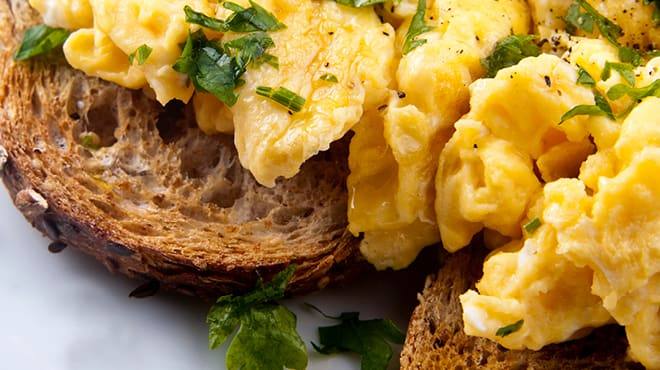
    A banana, Greek yogurt and a hard-boiled egg will get you 19 grams of protein on average. Start your day with an easy egg bake. Each serving has 17 grams of protein.
  • Lunch
    An egg and bean burrito with a glass of milk is about 28 grams of protein. These black bean quesadillas have 14 grams of protein. Boost the protein by adding chicken or shrimp.
  • Dinner
    A 3-ounce chicken breast with a half-cup of rice and a half-cup of vegetables amounts to 25 grams of protein. This main dish chicken salad gives you 27 grams of protein.

As you can see, getting the recommended 15–30 grams per meal is easy. Most people — even athletes — can reach their protein needs by including a serving of dairy at each meal and a piece of meat the size of a deck of cards at lunch and supper.

Protein shouldn’t be the entire meal, but should be paired with fruits, vegetables and whole grains. If you think you need more protein, consider adding more beans, lentils, soy or seafood rather than processed supplements.

If you choose to use a protein supplement, here’s what to look for:

  • Complete protein source, such as whey, casein or soy
  • About 200 or fewer calories
  • 2 grams or less of saturated fat
  • No trans fat or partially hydrogenated oils
  • 5 grams of sugar or less

Need additional advice and recommendations for building a nutrition plan to support your training program? Consider consulting with a dietitian.

Joel Hollow is a dietitian in Nutrition in La Crosse, Wisconsin.

This post originally appeared on the Mayo Clinic Health System blog.

Related articles


Source link

Share. Facebook Twitter Pinterest LinkedIn Tumblr WhatsApp Email
Previous ArticleTaking Testosterone and Getting Top Surgery Did Wonders for My Mental Health
Next Article 4 Fastest-Growing Regional Taco Chains
admin
  • Website

Related Posts

7 Everyday Foods That Shrink Hanging Belly Fat Fast

May 9, 2026

7 Best Costco Foods to Buy for Weight Loss Right Now

May 1, 2026

Flushing Calories with Fiber for Weight Loss

April 2, 2026

Ripples of Discovery Created a New Wave of Weight-loss Medications

February 5, 2026

Leave A Reply Cancel Reply

Demo
Stay In Touch
  • Facebook
  • Twitter
  • Pinterest
  • Instagram
  • YouTube
  • Vimeo
Don't Miss
Self Improvements

Incline Walking vs. Running: What’s the Better Workout?

By adminJune 2, 20260

Incline walking and running are commonly framed as opposites: one is low impact, the other…

Tonio Burton’s 2026 Bodybuilding Breakthrough Continues With Legion Sports Fest Pro Victory

June 2, 2026

5 Morning Exercises To Restore Muscle Mass After 60

June 2, 2026

Is Urolithin A Worth It?

June 1, 2026

Subscribe to Updates

Get the latest creative news from SmartMag about art & design.

About Us
About Us

Welcome to our fitness blog! We are a team of passionate fitness enthusiasts committed to sharing valuable information and tips on health, fitness, nutrition, and wellness. Join us on our journey to a healthier lifestyle!

Our Picks

Is Urolithin A Worth It?

June 1, 2026

SEAC David Isom Explains His Role and How the Military Is Improving Readiness

June 1, 2026

4 Chair Exercises To Restore Hip Mobility After 60

June 1, 2026
Catagories
  • Diet & Nutrition
  • Weight Loss
  • Lifestyle
  • Mental Well-Being
  • Self Improvements
  • Workouts & Exercise
  • News
Facebook Twitter Instagram Pinterest WhatsApp
© 2026 Fitnessvivid.com.

Type above and press Enter to search. Press Esc to cancel.

Sign In or Register

Welcome Back!

Login to your account below.

Lost password?