

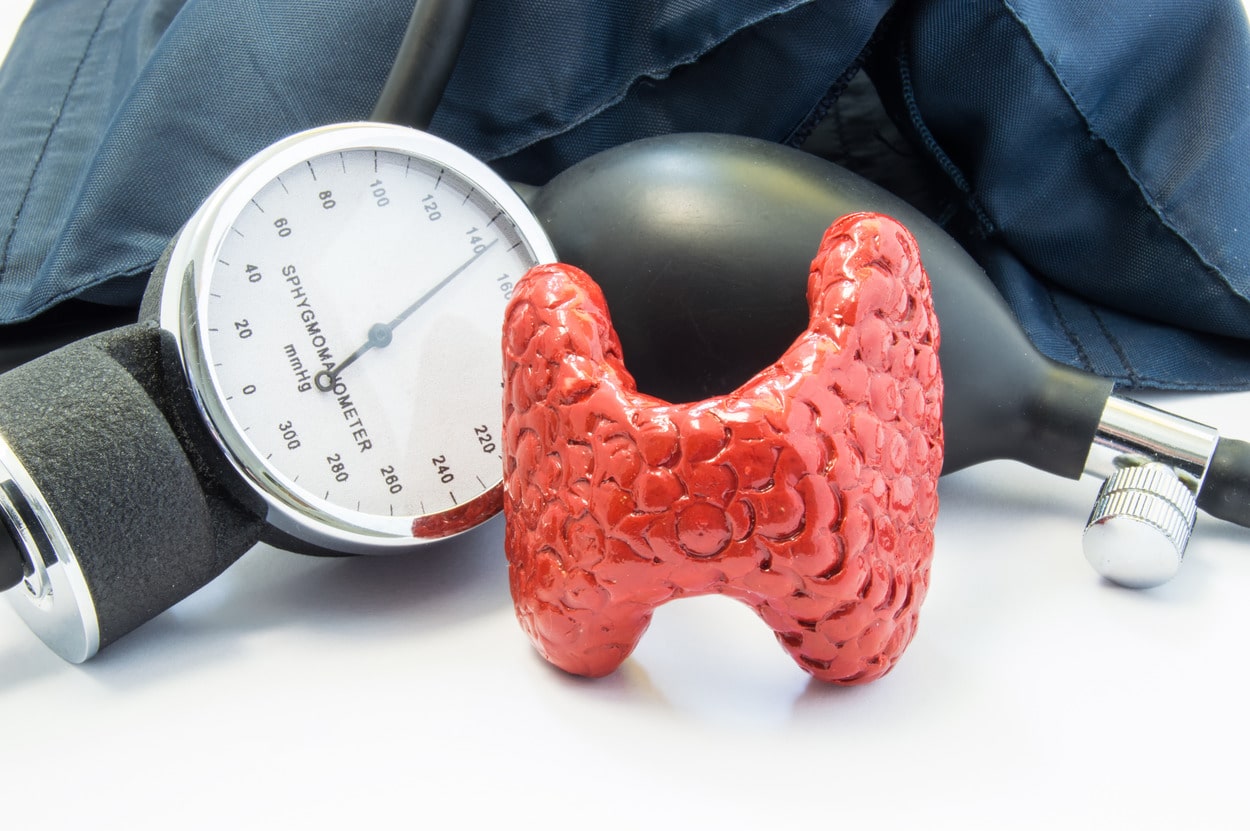
Thyroid function and cholesterol levels are like two gears in the complex machinery of the human body; their interaction is crucial for maintaining overall health. The thyroid gland, a small butterfly-shaped organ at the base of your neck, plays a vital role in regulating metabolism and energy. Its hormones directly influence the rate at which your body uses energy, which in turn can affect your cholesterol levels.
Surprisingly, thyroid disorders and abnormal cholesterol levels often go hand in hand, affecting millions worldwide. Understanding the intricate relationship between thyroid health and cholesterol is essential, as it explains why managing one can inherently impact the other.
The prevalence of thyroid disorders, such as hypothyroidism and hyperthyroidism, alongside cholesterol abnormalities, underscores the need for awareness and education on this topic.
Hypothyroidism, characterised by low thyroid hormone production, can lead to elevated cholesterol levels, which can increase the risk of heart disease. Conversely, hyperthyroidism, where excessive thyroid hormone is produced, might contribute to lower-than-normal cholesterol levels, posing different health challenges. This dual impact on cardiovascular health highlights why recognising and addressing the thyroid-cholesterol connection is vital.
This article explores the mechanisms linking thyroid function to cholesterol metabolism and provides insights into managing these intertwined aspects of health effectively.
Understanding Cholesterol: Its Role and Types in the Body
Cholesterol is a waxy, fat-like substance vital for the body’s normal functioning. Often misunderstood as a harmful substance, cholesterol is essential for forming cell membranes, producing hormones, and creating vitamin D and bile acids for digestion. While your body makes all the cholesterol it needs in the liver, dietary intake through animal products like meat and dairy also contributes to your cholesterol levels.
Cholesterol travels in the blood and is attached to proteins in particles called lipoproteins, leading to the terms low-density lipoprotein (LDL) and high-density lipoprotein (HDL), among others. Each type of lipoprotein has a different function and impact on health.
Types of Cholesterol
- Chylomicrons (CMs): These are large particles that transport fats and cholesterol from the intestines to other body parts. High levels can lead to complications like organ enlargement or skin eruptions (xanthomas).
- Very Low-Density Lipoproteins (VLDL): They carry lipids from the liver to tissues. Elevated VLDL, often due to poor diet and obesity, can lead to insulin resistance and metabolic syndrome.
- Intermediate-Density Lipoproteins (IDL): A transitional form of lipoprotein, IDL is an indicator of coronary heart disease risk.
- Low-Density Lipoprotein (LDL): Known as ‘bad’ cholesterol, LDL transports cholesterol to cells but can deposit it in artery walls, leading to plaque build-up and cardiovascular diseases.
- High-Density Lipoprotein (HDL): Often termed ‘good’ cholesterol, HDL helps remove excess cholesterol from cells and the bloodstream, reducing arterial plaque and heart disease risk. However, excessively high HDL can impair metabolic processes.
Summary
Cholesterol is a critical substance for various bodily functions but requires balance. Different types of cholesterol have distinct roles in the body, influencing overall health. Understanding these can guide lifestyle and medical interventions to maintain or achieve optimal cholesterol levels. That underscores the importance of regular monitoring and a balanced approach to health and diet.
Exploring the Thyroid Gland and Its Functions
The thyroid gland at the front of the neck, is a crucial player in the body’s endocrine system. This small, butterfly-shaped gland produces hormones vital for regulating metabolism—the process by which your body converts food into energy. These hormones, primarily thyroxine (T4) and triiodothyronine (T3) influence the function of almost every organ in the body and ensure they operate efficiently and maintain the right energy levels.
The pituitary gland in the brain regulates thyroid activity, and it is the brain that releases thyroid-stimulating hormone (TSH). TSH signals the thyroid to produce and release its hormones based on the body’s energy needs. This feedback loop maintains a delicate balance, ensuring that metabolic activities are neither too sluggish nor excessively active.
Functions of the Thyroid Gland
- Metabolic Rate Regulation: Thyroid hormones directly affect the body’s metabolic rate, determining how quickly or slowly the body uses energy.
- Growth and Development: In children and adolescents, thyroid hormones are vital for normal growth and development, particularly for the brain and nervous system.
- Temperature Regulation: The thyroid helps regulate the body’s temperature by controlling the speed of energy usage, which generates heat.
- Heart Function: Thyroid hormones influence heart rate and the strength of heart contractions, directly affecting blood pressure and heart health.
- Digestive Function: The gland impacts digestion by controlling the speed at which the digestive system processes food.
Common Thyroid Disorders
- Hypothyroidism: An underactive thyroid, where the gland doesn’t produce enough hormones, can lead to fatigue, weight gain, and intolerance to cold.
- Hyperthyroidism: An overactive thyroid produces excess hormones, leading to symptoms like weight loss, rapid heartbeat, and increased appetite.
Summary
Understanding the thyroid and its functions is crucial for recognising how this small gland significantly impacts overall health. Its hormones regulate critical bodily functions, from metabolism and temperature control to heart rate and digestion. Thyroid disorders, such as hypothyroidism and hyperthyroidism, can disrupt these processes, affecting the body’s normal functioning. Awareness of thyroid health and its influence on the body helps manage and prevent potential health issues effectively.
Thyroid and Cholesterol: The Intricate Relationship
The thyroid gland’s role extends beyond regulating metabolism and body energy; it significantly impacts cholesterol management in the body. Thyroid hormones, including thyroxine (T4) and triiodothyronine (T3), are essential for lipid metabolism, which is the process of using or storing fats for energy. These hormones influence how the body synthesises, transports, and breaks down cholesterol.
Research indicates a strong link between thyroid function and cholesterol levels. Hypothyroidism, or an underactive thyroid, can lead to increased cholesterol levels, particularly low-density lipoprotein (LDL) or “bad” cholesterol. This condition slows down the body’s metabolism, including the rate at which cholesterol is processed and cleared from the blood. That leads to LDL accumulation and increased risk of atherosclerosis and heart disease.
Conversely, hyperthyroidism, or an overactive thyroid, often results in lower cholesterol levels. This condition speeds up the body’s metabolic processes, including the breakdown of cholesterol. It may reduce the levels of LDL cholesterol in the blood. However, rapid metabolism can also lead to decreased levels of high-density lipoprotein (HDL) or “good” cholesterol, which is crucial for removing LDL cholesterol from the bloodstream and preventing arterial plaque buildup.
These connections highlight the importance of thyroid health in maintaining balanced cholesterol levels and cardiovascular health.
Summary
The relationship between thyroid function and cholesterol levels is complex and significant. Thyroid hormones play a vital role in lipid metabolism, influencing how the body handles cholesterol. Hypothyroidism tends to increase cholesterol levels, while hyperthyroidism can lower them, each with distinct health implications. Understanding this connection is essential for managing both thyroid and cholesterol levels, ultimately promoting better cardiovascular health.
Cholesterol and Hypothyroidism: Understanding the Connection
The link between cholesterol and hypothyroidism is rooted in the thyroid gland’s role in metabolising lipids, including cholesterol. Hypothyroidism, a condition where the thyroid produces insufficient hormones, often leads to an increase in cholesterol levels, particularly low-density lipoprotein (LDL) or “bad” cholesterol. This connection is primarily due to the thyroid’s influence on lipid metabolism processes, which are essential for breaking down and utilising fats in the body.
Hypothyroidism is a condition characterised by the buildup of fats, cholesterol, and other substances in and on the artery walls. It results from a slowdown in metabolic processes, which decreases the body’s ability to process and eliminate cholesterol efficiently. This inefficiency can lead to an accumulation of cholesterol in the blood, contributing to the development of atherosclerosis.
Additionally, thyroid hormones regulate enzymes like cholesteryl-ester transfer protein (CETP) and hepatic lipase (HL), which are crucial for cholesterol transport and breakdown. A reduction in these hormones can decrease the activity of these enzymes, further contributing to elevated cholesterol levels.
The relationship between hypothyroidism and cholesterol is not just biochemical. Lifestyle factors associated with hypothyroidism, such as reduced physical activity and potential weight gain, can exacerbate high cholesterol levels. This intertwining of hormonal imbalance and lifestyle underscores the complexity of managing cholesterol in individuals with hypothyroidism.
Summary
Hypothyroidism and cholesterol levels are closely linked, with decreased thyroid function often leading to higher cholesterol levels and increased cardiovascular risk. The condition impacts lipid metabolism and enzyme activities essential for cholesterol processing, highlighting the importance of managing thyroid health alongside cholesterol levels to maintain cardiovascular health and overall well-being.
Cholesterol and Hyperthyroidism: Understanding the Connection
Hyperthyroidism, marked by excessive production of thyroid hormones, significantly impacts the body’s metabolic processes, including cholesterol regulation. Unlike hypothyroidism, which often raises cholesterol levels, hyperthyroidism tends to lower them. It leads to distinct cardiovascular risks and challenges. The overactive thyroid accelerates metabolism, causing a rapid breakdown of cholesterol, thus reducing its levels in the blood.
This condition can lead to decreased levels of both low-density lipoprotein (LDL) and high-density lipoprotein (HDL) cholesterol. While lower LDL levels might seem beneficial, the accompanying decrease in protective HDL can predispose individuals to cardiovascular issues. The fast metabolism in hyperthyroidism doesn’t allow for sufficient time for HDL to exert its protective effects, such as transporting cholesterol away from the arteries and back to the liver for processing and elimination.
Research indicates that hyperthyroidism can also increase the risk of developing cardiovascular conditions, including hypertension, atrial fibrillation, and other heart rhythm disorders. These conditions are partly due to the influence of excessive thyroid hormones on heart rate and blood vessel function, emphasising the intricate relationship between thyroid activity and cardiovascular health.
Moreover, studies have shown that treating hyperthyroidism can normalise cholesterol levels but might not fully mitigate the heightened risk of atherosclerosis and cardiovascular events associated with the condition. This paradox highlights the need for comprehensive management of hyperthyroidism, considering both the direct effects of thyroid hormone excess and the secondary impact on lipid metabolism and cardiovascular health.
Summary
The relationship between hyperthyroidism and cholesterol is characterised by lower cholesterol levels due to increased metabolic activity. However, this does not necessarily translate to reduced cardiovascular risk. The condition can induce a range of heart-related issues, underscoring the importance of managing thyroid health alongside monitoring cholesterol levels to safeguard overall cardiovascular well-being.
Cholesterol and Thyroid: Recognising Symptoms and Testing
Understanding the symptoms of thyroid disorders and their connection with cholesterol levels is crucial for timely diagnosis and management. The thyroid gland influences the body’s metabolism, affecting how cholesterol is processed. Consequently, thyroid imbalances often mirror changes in cholesterol levels, making symptom recognition and testing essential.
Symptoms to Watch For
- Hypothyroidism (Underactive Thyroid): Symptoms include unexplained weight gain, fatigue, cold intolerance, dry skin, hair loss, constipation, and memory problems. These symptoms are often subtle and develop gradually, making them easy to overlook.
- Hyperthyroidism (Overactive Thyroid): Contrarily, hyperthyroidism symptoms are usually more pronounced and can include sudden weight loss, rapid heartbeat, increased appetite, sweating, nervousness, and sleeping difficulties.
Both conditions can indirectly affect cholesterol levels; hypothyroidism tends to raise cholesterol, while hyperthyroidism may lower it.
Testing and Diagnosis
To diagnose thyroid issues and their impact on cholesterol, doctors use blood tests that measure thyroid-stimulating hormone (TSH) and thyroxine (T4) levels. Elevated TSH and low T4 indicate hypothyroidism, which can lead to high cholesterol, whereas low TSH and high T4 suggest hyperthyroidism, potentially lowering cholesterol levels.
Regular monitoring of both thyroid and cholesterol levels is essential, especially for individuals receiving treatment, to ensure optimal health outcomes and adjust therapies as needed.
Summary
Identifying the symptoms of thyroid disorders is pivotal in understanding their impact on cholesterol levels. Accurate testing and appropriate treatment can mitigate the risks associated with these interconnected health issues. Monitoring and managing both thyroid function and cholesterol are integral to maintaining cardiovascular health and overall well-being.
Managing Cholesterol and Thyroid Disorders for Better Health
Effectively managing thyroid disorders and cholesterol levels is crucial for maintaining overall health and reducing the risk of cardiovascular diseases. Lifestyle modifications and medical treatments play a pivotal role in this process, ensuring that individuals can lead healthier lives despite these conditions.
Lifestyle Changes for Optimal Health
- Diet: A balanced diet rich in fruits, vegetables, whole grains, and lean proteins can significantly impact cholesterol and thyroid health. Limiting the intake of processed foods, saturated fats, and sugars is vital. Foods like fish, nuts, and olive oil, which are high in omega-3 fatty acids, can help manage cholesterol levels.
- Exercise: Regular physical activity improves cardiovascular health, aids in weight management, and stimulates thyroid function. Activities like walking, swimming, and cycling are beneficial for both heart and thyroid health.
- Stress Reduction: Managing stress through mindfulness, yoga, or other relaxation techniques can positively affect thyroid function and help maintain healthy cholesterol levels.
Medical Management
- Thyroid Hormone Replacement: For hypothyroidism, synthetic thyroid hormones like levothyroxine are commonly prescribed, which can help normalise cholesterol levels.
- Regular Monitoring: Continuous monitoring of thyroid function and cholesterol levels is essential to adjust treatment plans as needed.
- Cholesterol-Lowering Medications: If lifestyle changes and thyroid hormone replacement are insufficient to control cholesterol, statins or other lipid-lowering drugs may be prescribed.
HealthifyMe offers a holistic approach to managing thyroid disorders and cholesterol levels. With personalised nutrition plans, regular health monitoring, and expert guidance, HealthifyMe helps individuals tailor their lifestyle choices to improve their health outcomes. The platform enables users to track progress, make informed decisions about their diet and exercise, and access professional support, ensuring comprehensive management of thyroid and cholesterol health.
Start your Thyroid transformation with HealthifyMe
HealthifyMe’s Cholesterol Management Plan includes professional coaching, flexible workout plans, tailored diet plans, and a smart scale to track all of your metabolic health parameters. This proactive approach is crucial to thoroughly ensuring long-term well-being.
Check out the HealthifyMe Cholesterol Management Plan.
Summary
Effective management of cholesterol and thyroid disorders involves a combination of lifestyle changes, medical treatment, and regular monitoring. Adopting a healthy diet, engaging in regular physical activity, and reducing stress are key strategies. Medical interventions like thyroid hormone replacement and cholesterol-lowering medications play a crucial role. HealthifyMe supports individuals in navigating these conditions by providing personalised guidance and tools to improve overall health and well-being.
HealthifyMe Suggestion
Thyroid hormones help the liver metabolise blood. When thyroid hormone levels are low, the liver processes blood more slowly, causing higher levels of cholesterol in the bloodstream. Treatment of hypothyroidism may improve cholesterol levels. Certain nutrients, such as iodine, selenium, and zinc, can help maintain good thyroid function when combined with a nutritious diet and regular exercise. Zinc helps lower total cholesterol, LDL cholesterol, and triglycerides while raising HDL cholesterol levels. incorporate Milk and milk products, eggs, legumes, whole grains, chicken, nuts, seeds, tuna, prawns, etc. are rich in iodine, selenium, and zinc.
The Final Word
Understanding thyroid and cholesterol health may seem complex, but it offers a clear path to wellness when understood. These intertwined aspects of health remind us that our bodies function as a unified whole, not just as isolated parts. By paying attention to the delicate balance of thyroid hormones and cholesterol levels, one can address individual conditions and also nurture overall health and well-being. This holistic approach, advocated by platforms like HealthifyMe, emphasises that managing these conditions is not just about medication but also about lifestyle choices that resonate with the body’s needs.
In conclusion, understanding the link between thyroid health and cholesterol is more than a medical necessity; it’s a journey towards a healthier life. With resources like HealthifyMe providing personalised guidance, managing these aspects of health becomes a combination of science, personal care, and informed decision-making. It is a testament to the power of holistic health management, where every small step towards balancing thyroid function and cholesterol levels is a leap towards lasting wellness.
Disclaimer: The purpose of this article is just to disperse knowledge and raise awareness. It does not intend to replace medical advice from professionals. For further information, please contact our certified nutritionists Here.
Research Sources
1. Clinical Thyroidology® for the Public.
4. Organomegaly.
6. Lipemia Retinalis in a Patient with Familial Hypertriglyceridemia
7. Biochemistry, Very Low-Density Lipoprotein
9. Biochemistry, LDL Cholesterol
10. Biochemistry, High-Density Lipoprotein
11. The Role of Endothelial Lipase in Lipid Metabolism, Inflammation, and Cancer
12. Atherosclerosis.
14. Hypothyroidism (Underactive Thyroid)
15. Thyroid disease and lipids
16. Levothyroxine treatment and cholesterol in hypothyroidism
17. Treatment of Thyroid Dysfunction and Serum Lipids: A Systematic Review and Meta-analysis
18. Hyperlipidemia and hypothyroidism
19. Hyperthyroidism (Overactive Thyroid)
22. Acute cholesterol responses to mental stress and change in posture
Frequently Asked Questions (FAQs)
Q: How are thyroid and cholesterol related?
A: Thyroid hormones directly influence cholesterol metabolism. Hypothyroidism can slow down metabolic processes, leading to elevated cholesterol levels, particularly LDL or “bad” cholesterol. Conversely, hyperthyroidism can speed up metabolism, potentially lowering cholesterol levels. However, this increased metabolic rate may also reduce beneficial HDL cholesterol, affecting heart health.
Q: How does hypothyroidism affect cholesterol levels?
A: Hypothyroidism tends to raise cholesterol levels because it decreases the body’s metabolic rate. This reduction in metabolism can cause the body to process and eliminate cholesterol less efficiently, leading to an accumulation of LDL cholesterol in the blood, which is a risk factor for atherosclerosis and heart disease.
Q: What types of cholesterol are affected by hypothyroidism?
A: Hypothyroidism primarily affects LDL cholesterol, often leading to an increase in its levels. It can also impact triglycerides and HDL cholesterol, but the most significant changes are usually seen in LDL levels.
Q: Can treating hypothyroidism help lower cholesterol levels?
A: Yes, treating hypothyroidism with thyroid hormone replacement therapy, such as levothyroxine, can help normalise thyroid function, which in turn can lower elevated LDL cholesterol levels and improve overall cholesterol balance.
Q: Does hypothyroidism always cause high cholesterol levels?
A: While hypothyroidism often leads to increased cholesterol levels, it does not do so universally. Individual responses can vary based on the severity of the thyroid dysfunction, lifestyle factors, and genetic predispositions.
Q: Can high cholesterol caused by hypothyroidism increase the risk of heart disease?
A: Yes, high cholesterol levels resulting from untreated or inadequately treated hypothyroidism can increase the risk of developing atherosclerosis and cardiovascular diseases, including heart disease and stroke.
Q: Can hypothyroidism medication alone lower cholesterol levels, or are additional interventions necessary?
A: Hypothyroidism medication can significantly lower cholesterol levels in many cases. However, some individuals may require additional interventions, such as dietary changes, exercise, or cholesterol-lowering medications like statins, to achieve optimal cholesterol levels.
Q: Is it possible for cholesterol levels to remain high despite adequate treatment of hypothyroidism?
A: Yes, cholesterol levels can remain elevated even after thyroid function has normalised with treatment. This scenario may occur due to other factors affecting cholesterol metabolism, such as diet, lifestyle, or genetic predispositions, necessitating further interventions to manage cholesterol levels effectively.
