

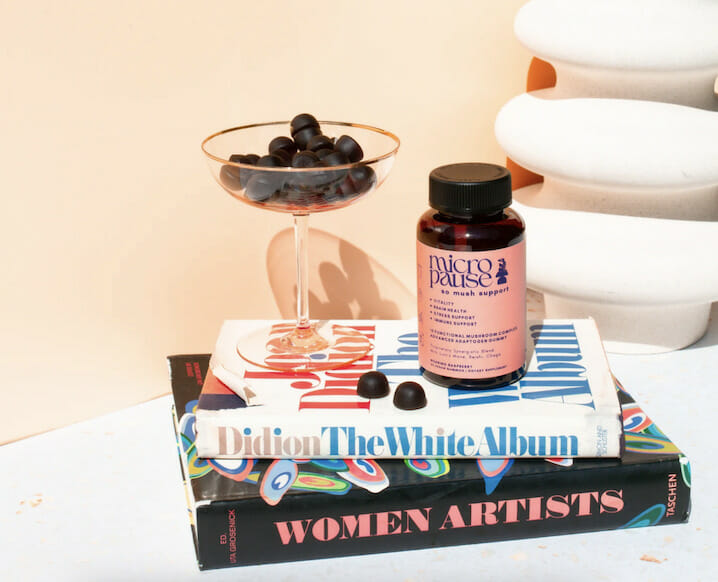
How strange that menopause and perimenopause aren’t part of our regular health education. The topics are finally trending wellness and women are shedding the stigma to talk about it. We asked Micropause founder, Emily Wagner to fill on the basics around perimenopause and she shared these in-depth insights with us…
It’s not you, it’s perimenopause. Maybe.
When I broke out into a cold sweat in the middle of a corporate meeting, I thought, “oh here we go, I’m getting the flu.” Sweat pooled around my collar, my business blouse was now transparent and beneath me, a puddle, on the floor. You know the scene from the Exorcist. With flush cheeks, a racing heart rate and a five-minute fever, I absconded to the restroom, looked in the mirror and said what the actual F is going on.
Could this be that thing I’ve only vaguely heard about? Menopause! Something remote, shrouded in mystery that happens to women when they are in their 60s?
Menopause was a term I only knew in the abstract from growing up on The Golden Girls as a kid. The term “perimenopause” wasn’t even on my radar.
As a woman in my late 40’s, living in LA — wellness savvy is nearly prerequisite. I thought I was fully baked on all things women’s health optimization.
Turns out, I was woefully uneducated, under-informed and ignorant about the crucial physiological, biological, psychological and emotional shifts that occur as our reproductive hormones decline.
My girlfriends were in their early to mid-40s, some still having babies. There was plenty of chatter about raw foods, fasting and how many hours of sleep we got last night. Radio silence about perimenopause.
Some Big Stats On Perimenopause
While there is a lot of information available about menopause itself, there has been relatively little focus on perimenopause, and doctors’ knowledge about this phase of life is often limited.
Most doctors are not trained to recognize or manage perimenopause: This is due in part to the fact that medical training programs often do not cover perimenopause in depth.
Perimenopause can last for several years, but there is a relative lack of research on the topic. This makes it difficult for healthcare providers to stay up to date on the latest information and recommendations for managing perimenopause.
Overall, the lack of knowledge and understanding about perimenopause among healthcare providers highlights the need for increased education and awareness about this important phase of life.
According to a study in The National Library of Medicine:
“Lack of education for women and their general practitioners is causing perimenopausal women to go through this important stage in their lives with a lack of knowledge and appropriate medical care. It is essential that women are taught about the menopause, from school onwards and that we offer health professionals appropriate training starting from the medical school curriculum.”
Women often receive inadequate care for perimenopause symptoms: Due to the lack of understanding and awareness about perimenopause, many women may not receive appropriate care for symptoms. According to a survey by the North American Menopause Society, only 20% of women who reported experiencing perimenopausal symptoms had discussed them with their healthcare provider.
Forbes published a piece in 2021 73% Of Women Don’t Treat Their Menopause Symptoms, New Survey Shows saying, “One-fifth (20%) of women surveyed had experienced symptoms for a year or more before being assessed by a healthcare provider and 34% had never been formally assessed or diagnosed as menopausal” 
Key takeaways from State of Menopause study provided by Bonafide reported that:
+ 45% of women didn’t know the difference between perimenopause and menopause prior to experiencing symptoms
+ 83% of respondents report not using the same menopause treatments that their mother or grandmother used – yet only 9% speak to their mothers about their menopause symptoms
+ 61% of menopausal women report vaginal dryness contributes to painful sex, yet 41% of them never use lubricants or sex aids during sex with a partner
Perimenopause is the complex and multifaceted biological process that marks the transition from our reproductive to non-reproductive years. It usually begins about eight to ten years before menopause, which is the single day when you’ve gone 12 months without a period. The onset of perimenopause varies significantly from woman to woman – beginning as early as mid-late 30s and more commonly mid to late 40s and up. Perimenopause can last anywhere from a few months to several years, with the average length lasting about four years.
With this gradual decline in ovarian function comes a wide range of physiological and hormonal changes. The fluctuations in hormone levels, particularly estrogen and progesterone, trigger a laundry list of symptoms: irregular periods, hot flashes, night sweats, fatigue, sleeplessness, brain fog, forgetfulness, anxiety, decreased energy levels, changes in appetite, weight gain, mood swings, vaginal dryness, and decreased libido, thinning of the vaginal walls, vaginal dryness, itching, and discomfort, rapid heartbeat, alterations in bone density, changes in cholesterol levels…to list a few. Yes, it’s a lot.
It can feel as though our bodies and brains are in cahoots, ganging up on us and waging war. Our hormones have taken matters into their own hands, leaving us to deal with the consequences. At first, hot flashes steal the show. Sleeping becomes a test of endurance, as we battle against our own erratic body temperature. The memory loss is no secret, as we walk into a room with purpose only to stare blankly at the walls, trying to remember what we came in for. Our once vibrant libido has taken an extended vacation. Anxiety, depression, and mood swings are now the norm. And then, despite having made zero changes to our exercise/nutrition routine, our bodies are changing, especially around the midsection.
Thoughtleaders You’ll Want To Follow
Without gatekeeping, here is a deep dive on perimenopause symptoms from my research into the most prominent voices in the field. *You’ll want to bookmark these resources.
Dr. Sharon Malone | Dr. Suzanne Gilberg-Lenz | Dr. Mary Claire Haver
Potential Symptoms of Perimenopause
Skin changes: Perimenopause can bring unexpected changes to the skin, including dryness, increased sensitivity, acne breakouts, and uneven pigmentation.
Decreased libido: Many women are not aware that perimenopause can affect sex drive. Changes in hormonal levels and other physical and emotional factors can lead to a decrease in libido, which may come as a shock to women who previously had a healthy sex drive.
Cognitive changes: Perimenopause can impact cognitive function, leading to forgetfulness, difficulty concentrating, and “brain fog.”
Changes in energy levels: Perimenopause can affect energy levels, with some women experiencing unexpected fatigue, lethargy, or fluctuations in energy throughout the day.
Sleep disturbances: Many women experience sleep disturbances during perimenopause, such as insomnia, night sweats, and vivid dreams.
Mood swings: Perimenopause can cause mood swings, ranging from irritability and anxiety to depression and mood swings.
Changes in body odor: Hormonal fluctuations during perimenopause can also affect body odor, causing women to notice changes in how they smell.
Vaginal dryness: Perimenopause can cause decreased estrogen levels, which can lead to vaginal dryness. This can be unexpected and may result in discomfort during sexual intercourse or other physical activities.
Changes in menstrual cycle: While irregular periods are commonly associated with perimenopause, some women may experience unexpectedly heavy or prolonged periods, or even skipped periods altogether.
Joint pain: Hormonal changes during perimenopause can also cause joint pain and stiffness.
Increased allergies: Some women may develop new allergies or experience worsening of existing allergies during perimenopause.
Changes in hair texture: Perimenopause can also impact the texture of a woman’s hair. Some women may notice changes such as increased hair loss, thinning, or changes in hair texture, such as dryness or frizz.
Urinary changes: Hormonal fluctuations during perimenopause can also affect the urinary system, leading to changes such as increased frequency of urination, urgency, or even urinary incontinence.
Changes in body temperature: Perimenopause can cause unexpected fluctuations in body temperature, resulting in hot flashes or cold flashes.
Changes in breast health: Some women may experience changes in breast health during perimenopause, such as increased breast tenderness or lumpiness. These changes may require additional monitoring and medical attention to rule out any underlying health concerns.
Dental issues: Hormonal changes during perimenopause can also impact dental health, leading to issues such as gum sensitivity, dry mouth, or even tooth loss.
Changes in body weight: Perimenopause can also affect body weight, with some women experiencing unexpected weight gain, especially around the waistline.
Changes in sense of smell: Some women may notice changes in their sense of smell during perimenopause, with increased sensitivity or changes in their ability to detect odors.
Changes in vision: Hormonal fluctuations during perimenopause can also affect vision, causing dry eyes, blurry vision, or other changes in visual acuity. These may require adjustments to eye care or vision correction methods.
Changes in digestion: Perimenopause can also impact digestion, with some women experiencing changes such as bloating, constipation, or even food intolerances.
My Personal Journey with Perimenopause
The physical and emotional whirlwind of distressing and demoralizing symptoms I experienced in my late 40’s turned into a hunger for knowledge and solutions. My doctor told me it was too early to start HRT as I was still having my period. I would just need to white knuckle it.
Unlike periods, infertility, pregnancy, post-natal health and sexual wellness, perimenopause has remained in the shadows for decades, tucked away and buried under layers of cultural shame. While there is no shortage of anti-aging media, product pushing and the like– when it comes to the most natural maturing of our reproductive organs…radio silence. We certainly don’t see any perimenopause or menopause aisles at our local pharmacy. It’s almost as if it’s not even on our radar until we’ve started to experience symptoms. This is when a healthcare provider might offer an “oh, yes, you’re in perimenopause, it’s a doozy”. This utter lack of care, interest, and transparency is enough to leave us feeling baffled, unprepared, disheartened, and isolated.
And our friends are not talking about. Culturally, there is the pervasive taboo when it comes to the inevitable, irreversible aspect of female aging.
There is no ‘Perimenopause/Menopause’ aisle at the local pharmacy. None of the products I found on a rudimentary search on Amazon appealed to me. I was deeply discouraged by the limited natural relief available. This is when I went down the rabbit-hole, in search of a natural, hormone-free support system I could start incorporating into my regime now. I was determined to find supplemental support. Circling back to my wellness-girl roots, I started researching the benefits of my beloved superfoods – functional mushrooms, adaptogenic roots, plants, and herbs. I was amazed to discover their potential to bolster overall well-being during the perimenopause.
This is where the aha moment happened – I soon found the relief I was looking for when I combined various supplements into my daily routine. I couldn’t wait to share my discovery. I knew that if I were to create a product for these transitional years, when it came to the delivery system, it was imperative to offer a simple, perfectly dosed, delicious alternative to yet another pill to swallow. Years later, enter the Micropause gummy. And even now, as I am in my post-menopause years, I never skip a day.
In Western medicine, as expected, there is a tremendous lack of research around perimenopause and menopause. Healthcare providers aren’t up to date on the latest information. And of course, like so many women’s health issues, it has been overlooked from an educational standpoint. In turn, we all suffer from this lack of education, understanding and awareness about what is happening to our bodies and brains as we move into this phase of life.
Potential Emotional + Psychological Perimenopause Symptoms
EMOTIONAL SIGNS
Increased emotional sensitivity.
Feeling more introverted or withdrawn
Feeling less confident or capable
Loss of motivation or interest in activities you used to enjoy
Increased feelings of vulnerability or fragility
Increased need for solitude or alone time
Greater sensitivity to criticism or rejection
Feelings of frustration or irritability with others
A sense of confusion or disorientation
Heightened sense of awareness of your own mortality.
PSYCHOLOGICAL SIGNS
Memory lapses and forgetfulness
Mood swings and irritability
Anxiety or depression
Decreased libido or sexual desire.
Difficulty concentrating
Insomnia or trouble sleeping
Fatigue or lack of energy
Feeling overwhelmed or stressed
A sense of loss or grief
Changes in your sense of self or identity
My Aha Moment + Why I Made My Own Solution
Micropause gummies contain functional mushroom and plant-powered symptom relief to support all stages of your evolving menopause journey. They are formulated with a unique synthesis of clinically proven ingredients, blending science and nature, designed to bring you back into balance so you can reclaim your bliss.
So Mush Support | Hormonal changes in perimenopause and menopause trigger a storm of debilitating physiological body/brain/mood disruptions. This powerhouse 10-mushroom complex addresses most all of them: Cognition, Brain Health, Anxiety Relief, Sustained Focus, Increased Energy, Gut Health and Immunity Support. This proprietary gummy stacks 10 in 1 fruiting body of Lion’s Mane, Reishi, Chaga, Cordyceps, Maitake, Shiitake, White Button, Black Fungus, Turkey Tail, and Royal Sun.
Girls Gone Mild | Stress hits hard during perimenopause, causing mood swings, anxiety, sleep problems, and vasomotor symptoms (night sweats and hot flashes). Due to its stress-reducing properties, Ashwagandha makes it easier to manage these unwanted side effects. Vasomotor symptoms are less likely to occur when stress levels are low. Aside from strengthening the immune system, Ashwagandha stimulates your fighter and killer cells. As a result, the body is better able to combat toxins and allergens. In addition, it contains Vitamin D and Zinc, which support the immune and bone health of perimenopausal women. The heroine ingredient here is Ashwagandha, a powerhouse adaptogen that adapts to your body’s needs, promoting the stability needed for optimal function and homeostasis. This brain-boosting nootropic prevents the body from toxic stress, which in turn reduces the severity of hot flashes, night sweats, mood swings, and anxiety. Paired with Vitamin D and Zinc for extra bone, muscle, and immune support.
Shop both products for 20% OFF with code CHALKBOARD20
Read Next:
