

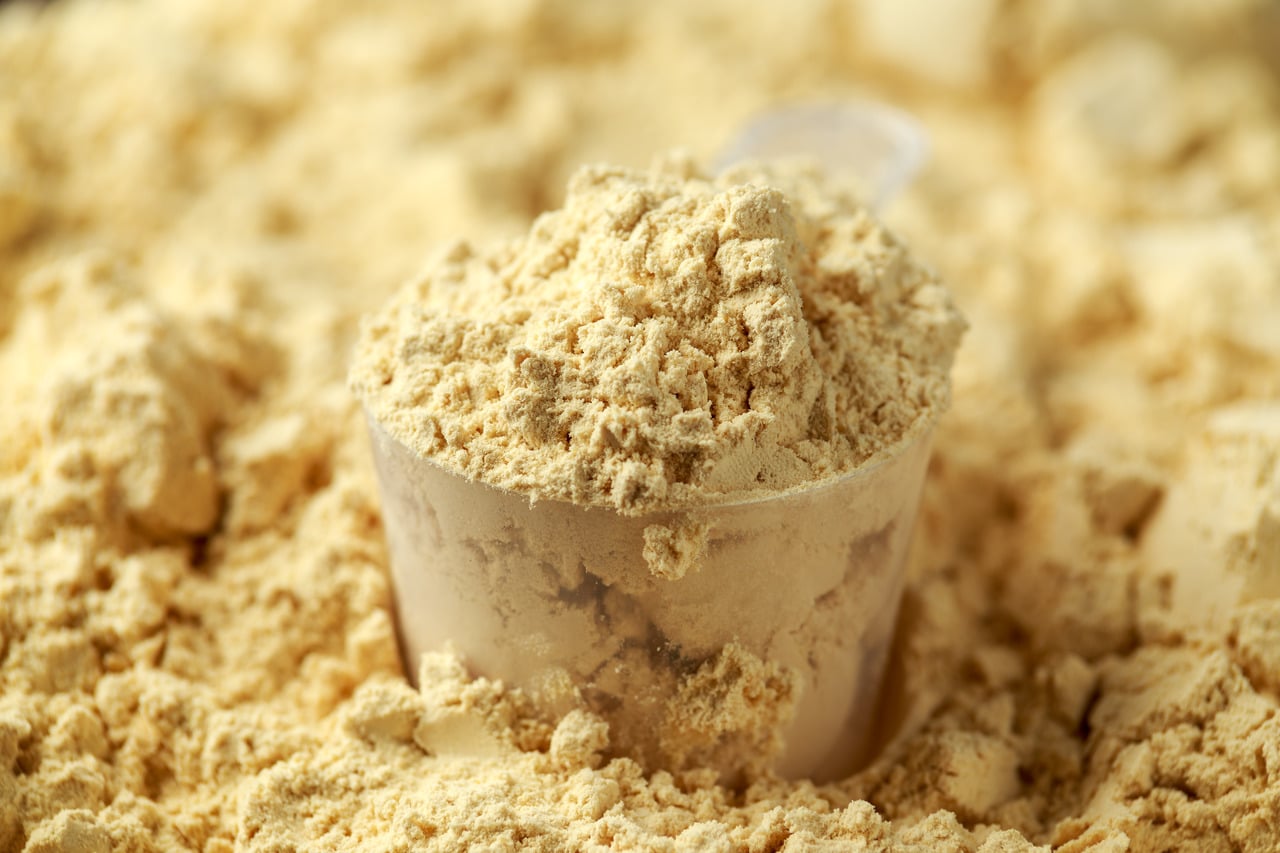
Pea protein is a plant-derived protein extracted from yellow peas (Pisum sativum). It’s a high-quality source of essential amino acids, making it valuable for vegetarian and vegan diets, as well as for those with dietary restrictions. Due to its hypoallergenic nature and sustainability, pea protein is commonly used in food products and protein supplements, and sports nutrition. It offers muscle support, aids weight management, and promotes satiety. Its versatility and environmental benefits have led to increased popularity in the health and wellness industry.
The increasing demand for plant-based proteins stems from various factors. Health-conscious consumers seek alternatives to animal products, aiming to reduce saturated fat and cholesterol intake. Environmental concerns about livestock agriculture’s impact on climate change and land use also drive the shift. Plant-based proteins like pea, soy, and lentil offer nutritional benefits while being more sustainable. Additionally, rising vegetarian and vegan populations, along with advancements in food technology, have led to a surge in innovative and flavorful plant-based protein options, catering to diverse dietary preferences.
This article will discuss all about pea protein and if it is worth including in your diet.
Nutritional Profile of Pea Protein
100 grams of Pea Protein contains”
- Calories: 364
- Proteins: 72.7 g
- Fats: 6.1 g
- Carbohydrates: 3 g
Pea Protein is considered a complete protein, meaning it provides all nine essential amino acids that the body cannot produce on its own. It also includes high levels of arginine, lysine, and branched-chain amino acids (BCAAs) such as leucine, isoleucine, and valine.
Along with this, it also contains various vitamins and minerals in smaller amounts. These can include B vitamins (especially folate and B6), iron, magnesium, and zinc.
Health Benefits of Pea Protein
Pea protein offers several potential health benefits, especially for individuals looking for plant-based protein sources. Here are some of the key health benefits associated with pea protein consumption:
1. Muscle Building and Recovery
Pea protein aids muscle building and recovery due to its rich content of essential amino acids, including BCAAs like leucine. These nutrients stimulate muscle protein synthesis, promoting muscle growth and repair. Its digestibility and rapid absorption further enhance its effectiveness in supporting post-workout recovery and overall muscle health.
2. Weight Management
Pea protein facilitates weight loss by promoting satiety and reducing calorie intake. Its high protein content helps control hunger and cravings, making it easier to maintain a calorie deficit. Additionally, the slow digestion of protein supports stable blood sugar levels, reducing the likelihood of overeating. As a low-fat and cholesterol-free option, pea protein complements a balanced diet for effective weight management.
3. Digestive Health
Pea protein contributes to digestive health through its easy digestibility and hypoallergenic nature. It is less likely to cause digestive discomfort compared to some other protein sources. Its gentle impact on the gastrointestinal system makes it suitable for individuals with sensitivities. The protein’s soluble fiber content may also support regular bowel movements and gut health, enhancing overall digestive well-being.
4. Heart Health
It promotes heart health by being cholesterol-free and low in saturated fat. Its amino acid composition includes arginine, which supports blood vessel function and circulation. By replacing higher saturated fat animal proteins, pea protein can help lower the risk of cardiovascular diseases. Additionally, its plant compounds contribute antioxidant and anti-inflammatory benefits that further protect heart health.
5. Blood Sugar Regulation
Pea protein aids blood sugar regulation by offering a low-carbohydrate, high-protein option. Its slow digestion and absorption help prevent rapid spikes in blood sugar levels. The protein’s amino acids, especially arginine, may enhance insulin sensitivity and glucose metabolism. By providing sustained energy and promoting stable blood sugar, pea protein can be beneficial for individuals managing type 2 diabetes or seeking to maintain balanced blood sugar levels.
6. Allergen-Friendly
Pea protein is allergy-friendly due to its hypoallergenic nature. It is naturally free from common allergens like dairy, soy, and gluten, making it suitable for individuals with food allergies or sensitivities. Its minimal potential for triggering allergic reactions ensures a safe protein source for those seeking alternatives to allergenic foods.
7. Rich in Plant Compounds:
Pea protein is abundant in plant compounds, such as flavonoids and phenolic acids. These antioxidants possess anti-inflammatory and cellular protection properties, promoting overall health. These compounds are naturally present in peas and often remain in pea protein isolates or concentrates. Regular consumption of pea protein can provide a convenient way to incorporate these beneficial plant compounds into the diet, supporting well-being and potentially reducing the risk of chronic diseases.
8. Alternative to Animal Proteins
It serves as a viable alternative to animal protein by offering a complete amino acid profile. Its high-quality protein content supports muscle growth and repair, making it suitable for vegetarians, vegans, and those seeking to reduce animal product consumption. Additionally, its low saturated fat and cholesterol content benefits heart health. Pea protein’s sustainability and minimal environmental impact further position it as an ethical and nutritious choice for individuals looking to diversify their protein sources and adopt a more plant-centric diet.
It’s important to note that while pea protein offers these potential benefits, it’s just one component of a balanced and nutritious diet. As with any dietary changes or supplements, it’s advisable to consult with a healthcare professional or registered dietitian before making significant changes to your diet, especially if you have any underlying health conditions or specific nutritional goals.
Summary
Pea protein offers a range of health benefits, including muscle building, weight management, and heart health due to its amino acids, low fat, and cholesterol-free nature. It aids digestion, blood sugar regulation, and is allergy-friendly. Rich in plant compounds, it supports overall health. As an animal protein alternative, its complete amino acid profile suits various diets.
Comparison of Pea Protein With Other Protein Sources
Pea protein stands out among various protein sources due to its unique attributes and benefits when compared to other options:
- Whey Protein: Pea protein is a plant-based alternative to whey protein, making it suitable for vegetarians and vegans. While whey protein is known for its fast absorption, pea protein offers a slower digestion rate, providing sustained amino acid release and promoting satiety.
- Soy Protein: Similar to pea protein, soy protein is plant-based and offers a complete amino acid profile. However, some people may have soy allergies or concerns about soy’s potential impact on hormonal balance, making pea protein an alternative.
- Casein Protein: Casein is a slow-digesting milk protein. Pea protein is dairy-free and hypoallergenic, making it a better option for individuals with lactose intolerance or dairy allergies.
- Rice Protein: Pea protein offers a more complete amino acid profile compared to rice protein, which is lower in lysine. Combining these two sources can create a balanced amino acid profile.
- Plant Blends: Some protein supplements combine pea protein with other plant-based sources like brown rice, hemp, or quinoa to create a more diverse amino acid profile, covering a wider range of nutritional needs.
- Animal Proteins (Chicken, Beef, Fish): Pea protein is cholesterol-free and lower in saturated fat compared to animal protein sources. It also provides additional benefits for those aiming to reduce their environmental impact by choosing plant-based options.
- Nut and Seed Proteins (Almond, Pumpkin, Chia): Pea protein tends to have a higher protein content and a more balanced amino acid profile than nut and seed proteins. However, nut and seed proteins offer other nutritional benefits such as healthy fats and fiber.
In summary, pea protein is a versatile option for those seeking a plant-based protein source with a complete amino acid profile. Its benefits include allergen-friendliness, sustainability, and potential support for muscle building, weight management, and heart health. The choice of protein source depends on individual dietary preferences, goals, and any specific nutritional considerations.
Potential Concerns Of Pea Protein
While pea protein offers numerous benefits, there are also considerations and potential concerns to keep in mind:
1. Digestive Sensitivity
While pea protein is generally well-tolerated, some individuals may experience digestive discomfort or gas due to its high fiber content. Starting with a smaller serving and gradually increasing intake can help mitigate this issue.
2. Allergies
While pea protein is hypoallergenic, a small percentage of individuals might still have an allergic reaction. Those with a known pea allergy should avoid pea protein products.
3. Quality and Processing
The quality of pea protein can vary depending on the processing methods and brands. Some products may contain additives, fillers, or artificial flavors. Choosing a reputable brand with minimal processing and a clean ingredient list is important.
4. Complete Amino Acid Profile
While pea protein is considered a complete protein, it’s still a plant-based source and might have slightly lower levels of certain amino acids compared to animal-based sources. Combining pea protein with other plant-based protein sources can help create a more balanced amino acid profile.
5. Potential for Contaminants
Like any plant-based product, there’s a possibility of contaminants, such as heavy metals or pesticides, especially if the peas used for processing are not sourced responsibly. Choosing certified organic or third-party tested products can help mitigate this concern.
6. Protein Content Variation
Different pea protein products can have varying protein content. It’s important to check labels to ensure you’re getting the desired amount of protein per serving.
7. GMOs
Pea protein can come from genetically modified (GMO) peas, so individuals concerned about GMOs should look for non-GMO or organic certifications.
8. Interactions with Medications
Pea protein contains compounds that could theoretically interfere with the absorption of certain medications, especially if consumed in large amounts. If you’re taking medications, it’s wise to consult with a healthcare professional before making significant changes to your diet.
9. Potential for Overconsumption
While protein is essential, consuming excessive amounts without considering overall dietary balance can lead to an imbalance of nutrients. Moderation is key.
As with any dietary choice, it’s advisable to consult with a healthcare professional or registered dietitian before making significant changes to your diet, especially if you have specific health concerns or dietary goals.
HealthifyMe Suggestion
Pea Protein supplements have gained wide popularity in recent years due to the rise of lactose, gluten and soy allergies and also due to a rise in the number of people opting for vegan diets. Nutritionally pea and whey proteins are diverse due to differing micronutrient levels and a major added advantage of consuming pea protein is that its rich in iron.
Conclusion
Pea protein plays a pivotal role in shaping modern dietary choices by providing a sustainable and versatile plant-based protein source. As individuals seek healthier and environmentally conscious options, pea protein offers a nutritious alternative to animal-based proteins. Its muscle-building properties, allergen-friendly nature, and compatibility with various diets make it appealing to a diverse range of consumers, including vegetarians, vegans, and those with dietary restrictions. By contributing to both personal well-being and global sustainability, pea protein influences dietary decisions that align with health, ethics, and the planet’s future.
Disclaimer: The purpose of this article is just to disperse knowledge and raise awareness. It does not intend to replace medical advice from professionals. For further information please contact our certified nutritionists Here
Frequently Asked Questions (FAQs)
What is pea protein?
Pea protein is a plant-based protein derived from yellow peas (Pisum sativum). It’s a popular dietary supplement and ingredient in various foods due to its high protein content.
Where does pea protein come from?
Pea protein comes from yellow peas, a leguminous plant. The peas are processed and the protein is extracted from the peas’ starch and fiber.
Is pea protein a complete protein source?
Yes, pea protein is considered a complete protein source, as it contains all nine essential amino acids, making it suitable for meeting dietary protein needs.
How is pea protein processed and made into supplements?
Pea protein is extracted from yellow peas through processes like dry fractionation and wet processing. It’s then concentrated, dried, and turned into powder for supplements or food applications.
What are the potential benefits of consuming pea protein?
Potential benefits of pea protein include muscle building, weight management, allergen-friendliness, sustainability, and promoting satiety due to its high fiber content.
Can pea protein be used as a substitute for other protein sources, such as whey or soy?
Yes, pea protein can be a substitute for animal-based proteins like whey and plant-based proteins like soy, especially for those seeking vegetarian or vegan options.
Is pea protein suitable for people with dietary restrictions, such as vegans or those with lactose intolerance?
Pea protein is suitable for vegans and vegetarians. It’s also an ideal option for individuals with lactose intolerance, as it’s dairy-free.
Can pea protein help with muscle building and recovery after exercise?
Yes, pea protein’s amino acid profile supports muscle building and recovery, making it a beneficial option for post-exercise protein intake.
Does pea protein have any potential side effects?
Pea protein is generally well-tolerated, but some individuals may experience digestive discomfort or gas due to its high fiber content.
Are there any potential allergens associated with pea protein consumption?
Pea protein is low-allergenic, making it less likely to cause allergic reactions compared to common allergens like soy or dairy.
Can pea protein be used for weight management or weight loss?
Pea protein’s high protein and fiber content can promote satiety, making it helpful for weight management and supporting weight loss goals.
How does pea protein compare to other plant-based protein sources in terms of nutrition?
Pea protein is comparable to other plant-based sources like soy and rice protein. Its amino acid profile complements well with other sources.
Are there different types or forms of pea protein available in the market?
Yes, pea protein is available as isolates, concentrates, and blends. Isolates have higher protein content, while concentrates retain more fiber and nutrients.
Can pea protein supplements be used in cooking and baking?
Yes, pea protein supplements can be used in cooking and baking to enhance protein content in recipes like smoothies, pancakes, and energy bars.
Does pea protein contain any additives or fillers?
Some pea protein supplements may contain additives or flavorings. It’s essential to read product labels to know what’s included.
Is pea protein suitable for children and older adults?
Pea protein can be suitable for both children and older adults, but individual nutritional needs should be considered. Consulting a healthcare professional is advisable.
Research Sources
- The Effects of Whey vs. Pea Protein on Physical Adaptations Following 8-Weeks of High-Intensity Functional Training (HIFT): A Pilot Study
- Pea proteins oral supplementation promotes muscle thickness gains during resistance training: a double-blind, randomized, Placebo-controlled clinical trial vs. Whey protein
- Developing functional ingredients: a case study of pea protein
- Pea protein composition, functionality, modification, and food applications: A review
