

When it comes to protein, the general consensus is typically: eat more of it. Like, a lot more of it. It’s no wonder why people are putting cottage cheese in everything to get those gains. But how much is too much for the sake of your well-being?
There’s no doubt that eating adequate amounts of protein is important for so many reasons. The macronutrient is vital for building, repairing, and oxygenating the body, producing digestive enzymes, and helping regulate hormones. But according to Melanie Murphy Richter, RDN, a registered dietitian and neuronutritionist, you can have too much of a good thing. “Too much of anything is likely going to lead to unwanted side effects and outcomes, and protein is no exception,” she says.
Ahead, Richter shares five ways your body is telling you that you may be eating too much protein and how to determine the appropriate amount to consume based on your specific needs.
5 possible signs you’re eating too much protein
1. Digestive issues
According to Richter, a telltale sign of too much protein is constipation, especially for those who aren’t properly hydrated. That’s typically because if you’re loading up on one macronutrient, you might not be eating enough foods with fiber (like complex carbohydrates, fruits, and vegetables). As such, it’s important to consume a well-balanced diet composed of fiber and fluids to help keep things moving along.
Richter adds that overdoing it on protein in your diet can also result in excess gas and even diarrhea, “especially if other nutrients like B-vitamins or vitamin C found in fresh fruits and vegetables are lacking in the diet.”
2. Dehydration
Richter explains that protein consumption prompts the production of urea, a waste byproduct found in urine from metabolizing protein. “It needs to be removed [from the body]. This, in turn, increases urination which can potentially lead to dehydration or even electrolyte imbalances,” Richter says. Symptoms of this kind of dehydration can include fatigue, lack of focus, and muscle cramps, she adds.
3. Kidney stones
“Too much protein can put pressure on the kidneys2, which are responsible for filtering out the excess nitrogen produced during the breakdown to amino acids,” says Richter. “Over time this can potentially lead to kidney stones or other more problematic kidney issues,” she says. (And anyone who has had a kidney stone can tell you: You do not want one.)
4. Bad breath
Over-consuming protein can also impact oral health. “When protein is being broken down in the body, it can increase ammonia production, which is a byproduct of protein metabolism. This can cause noticeable foul breath,” Richter says.
5. Changes in hormonal balance
According to Richter, overconsumption of protein can impact two nutrient-sensing pathways in the body: mTOR and IGF-1, which can impact heart health, longevity, and potentially cause unintended weight gain when hyperactivated. “This is especially true if your protein consumption isn’t also balanced by physical activity for protein to be properly utilized,” she says.
Some research studies also suggest that excess IGF-1 may be linked to an increased risk of cancer and mortality3. Meanwhile, high amounts of mTOR may increase the risk for cardiovascular disease4. Richter adds that these fluctuations in mTOR and IGF-1 can also “prematurely age you, accelerating the rate at which your health will decline.”
How much protein is too much per day?
According to Richter, the answer isn’t one-size-fits-all, in part because intake recommendations vary on your age and physical activity. She says it’s a “hotly debated topic, and people vary greatly on their recommendations.”
She argues that most Americans are already meeting (or even exceeding) the recommended daily intake. In fact, data shows that the average American woman eats about 68.7 grams per day, which is right on track with current dietary recommendations. “As a longevity expert, I can tell you that one gram of protein per pound of body weight [or more] is absolutely too much protein, especially if you aren’t rigorously working out every day,” Richter says.
How should I calculate my protein intake?
“The sweet spot of protein consumption for the average person is about one gram per kilogram—not pound—of body weight. That would equate to about 68 grams a day for a person who is 150 pounds,” Richter says as a general recommendation.
Keep in mind, these aren’t to be interpreted as strict recommendations, and can vary based on individual needs. For instance, Richter says athletes or someone recovering from illness of any kind may want to increase protein consumption to 1.2 to 2 grams per kilogram of body weight. “However, these levels shouldn’t be sustained for long periods of time,” she says. Indeed, research suggests that eating more than 2 grams of protein per kilogram of bodyweight over the long term can cause serious health issues.
What is the healthiest protein to eat?
Richter recommends going plant-based whenever possible. “Research shows that animal protein consumption6 may trigger [mTOR and IGF-1] pathways at an exponentially higher rate than plant-based proteins,” she says. Richter also points out that excess animal protein consumption has been associated with an increased risk of heart disease and all-cause mortality7.
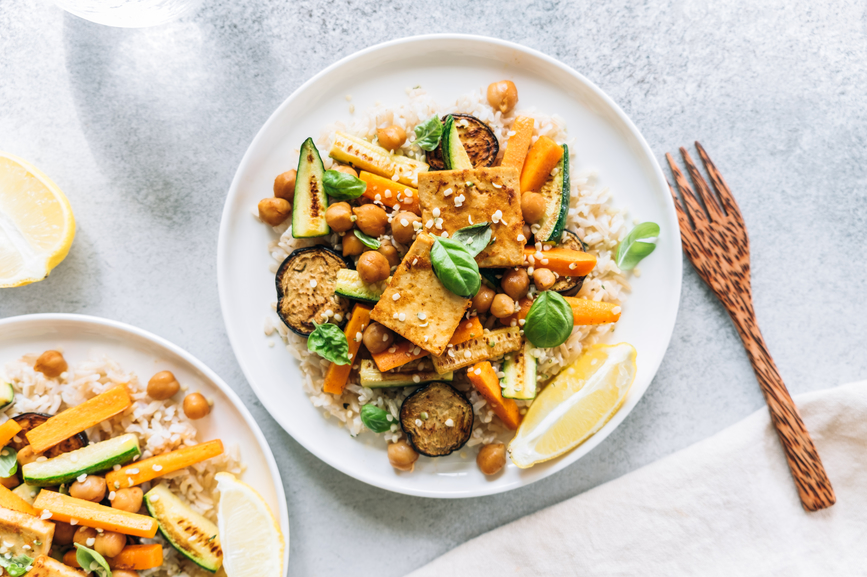
Richter’s recommendation is to swap animal foods for plant-based options like legumes (lentils, peas, or chickpeas), beans (black or kidney), tofu, nuts (and nut butters like peanut or almond), and seeds (like hemp). But she adds that meat and fish can also have a place in a healthy diet. She recommends increasing fish consumption (such as trout and canned or fresh tuna), and supplementing it with poultry, eggs, or beef once or twice a week. “For women who are menstruating, animal-based sources of protein can be more bioavailable forms of iron during your menstrual cycle,” she adds.
Well+Good articles reference scientific, reliable, recent, robust studies to back up the information we share. You can trust us along your wellness journey.
-
Weiner, I David et al. “Urea and Ammonia Metabolism and the Control of Renal Nitrogen Excretion.” Clinical journal of the American Society of Nephrology : CJASN vol. 10,8 (2015): 1444-58. doi:10.2215/CJN.10311013 -
Ko, Gang-Jee et al. “The Effects of High-Protein Diets on Kidney Health and Longevity.” Journal of the American Society of Nephrology : JASN vol. 31,8 (2020): 1667-1679. doi:10.1681/ASN.2020010028 -
Gulick, C N et al. “Exercise, Dietary Protein, and Combined Effect on IGF-1.” International journal of science and research methodology vol. 16,3 (2020): 61-77. -
Zhang, Xiangyu et al. “High-protein diets increase cardiovascular risk by activating macrophage mTOR to suppress mitophagy.” Nature metabolism vol. 2,1 (2020): 110-125. doi:10.1038/s42255-019-0162-4 -
Wu, Guoyao. “Dietary protein intake and human health.” Food & Function vol. 7 (2016): 1251-1265. doi:10.1039/C5FO01530H -
Song, Mingyang et al. “Association of Animal and Plant Protein Intake With All-Cause and Cause-Specific Mortality.” JAMA internal medicine vol. 176,10 (2016): 1453-1463. doi:10.1001/jamainternmed.2016.4182 -
Huang, Jiaqi et al. “Association Between Plant and Animal Protein Intake and Overall and Cause-Specific Mortality.” JAMA internal medicine vol. 180,9 (2020): 1173-1184. doi:10.1001/jamainternmed.2020.2790
