

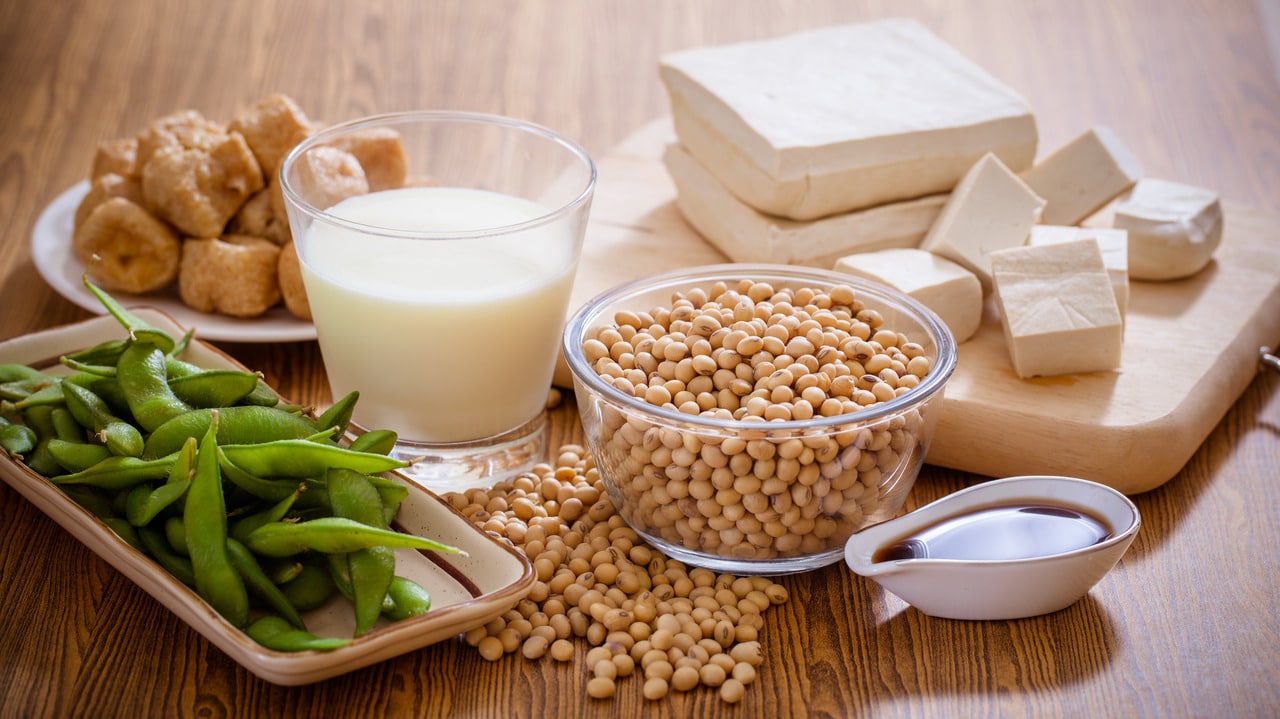
Protein is an essential macronutrient that plays a crucial role in maintaining a healthy body. While there are various sources of protein available, one that has gained significant attention in recent years is soy protein. Derived from soybeans, soy protein offers a range of nutritional benefits and has become a popular choice among health-conscious individuals, athletes, and those following plant-based diets.
In this article, we will explore the nutritional profile of soy protein, its health benefits, and its significance in plant-based diets. We will also address safety considerations and provide practical tips on how to incorporate soy protein into your daily meals. Whether you’re looking to improve your overall health, enhance athletic performance, or transition to a more plant-based lifestyle, understanding the benefits and versatility of soy protein can be a valuable asset.
So, let’s dive into the world of soy protein and discover how this plant-based powerhouse can positively impact your well-being.
Nutritional Profile Of Soy Protein
According to USDA, 100 grams of Soy Protein contains the following nutrients
Calories: 335 kcal
Protein: 88.3 g
Total Fat: 3.39 g
Carbohydrates: 0 g
Fibre: 0 g
Calcium: 178 mg
Iron: 14.5 mg
Magnesium: 39 mg
Phosphorous: 776 mg
Potassium: 81 mg
Sodium: 1000 mg
Zinc: 4.03 mg
Health Benefits of Soy Protein
Soy protein offers a wide array of health benefits that make it an attractive choice for individuals seeking to optimize their nutrition. Let’s explore some of the key advantages associated with incorporating soy protein into your diet:
1. Role of Soy Protein in Muscle Building and Recovery
Soy protein is considered a complete protein, containing all essential amino acids necessary for muscle growth and repair. The amino acid profile of soy protein, particularly its high leucine content, stimulates muscle protein synthesis, making it beneficial for athletes and individuals engaged in resistance training. Furthermore, the anti-inflammatory properties of soy protein can aid in post-workout recovery and alleviate muscle soreness.
2. Potential Benefits for Weight Management
Soy protein has been found to promote feelings of fullness and satiety, which can help reduce overall calorie intake and support weight management goals. Furthermore, research also indicates that adequate protein intake, including soy protein, can help preserve lean muscle mass during weight loss, which is essential for maintaining a healthy metabolism.
3. Impact on Cardiovascular Health
Soy protein has been shown to help lower LDL cholesterol (often referred to as “bad” cholesterol) levels, which can reduce the risk of cardiovascular diseases. Some studies suggest that soy protein consumption may contribute to a modest reduction in blood pressure levels, promoting cardiovascular health. Additionally, soy protein is naturally low in saturated fat and contains heart-healthy nutrients such as fibre, antioxidants, and unsaturated fats.
4. Relationship to Bone Health
Soy protein contains natural compounds called isoflavones, which have estrogen-like effects on the body. Studies indicate that these isoflavones may contribute to improved bone mineral density and reduce the risk of osteoporosis in postmenopausal women. Many soy-based products, such as fortified soy milk, provide added calcium and vitamin D, essential nutrients for bone health.
5. Potential Anti-cancer Properties
Soy protein contains bioactive compounds, including isoflavones and other phytochemicals, which have shown potential anti-cancer properties in various studies. Some evidence suggests that regular soy consumption may be associated with a reduced risk of certain hormone-related cancers, such as breast and prostate cancer.
Summary
Soy protein offers numerous health benefits, making it an excellent choice for optimizing nutrition. It supports muscle building and recovery due to its complete amino acid profile and anti-inflammatory properties. Soy protein promotes weight management by enhancing feelings of fullness and preserving lean muscle mass. It also contributes to cardiovascular health by lowering LDL cholesterol levels and potentially reducing blood pressure. Furthermore, soy protein’s isoflavones support bone health by improving bone mineral density, especially in postmenopausal women. Additionally, soy protein contains bioactive compounds that exhibit potential anti-cancer properties, potentially reducing the risk of hormone-related cancers. Incorporating soy protein into your diet can provide a range of health advantages.
Sources of Soy Protein
Tofu: Tofu is a versatile soy-based product that can be used in a variety of dishes. It can be stir-fried, grilled, baked, or blended into smoothies and desserts. Create a plant-based breakfast by crumbling tofu and cooking it with your favourite vegetables and spices for a delicious and protein-packed tofu scramble.
Read more about tofu in this article.
Quick Tofu Protein-Packed Recipes Ideal For Lunch At Work
Tempeh: Tempeh is a fermented soy product with a nutty flavour and firm texture. It can be marinated, sautéed, grilled, or crumbled into dishes like stir-fries, salads, or sandwiches. Marinate tempeh in soy sauce, garlic, and ginger, then stir-fry it with colourful vegetables for a quick and flavorful meal.
Edamame: Edamame refers to young soybeans that are harvested before they fully mature. They can be steamed or boiled and enjoyed as a nutritious snack, added to salads, stir-fries, or used in soups. Combine cooked edamame with cherry tomatoes, cucumbers, red onion, and a tangy vinaigrette for a refreshing and protein-rich salad.
Read More: Edamame – Nutrition, Health Benefits and Risks
Soy milk: Soy milk is a popular dairy milk alternative made from soybeans. It can be consumed on its own, added to smoothies, used in baking, or poured over cereal. Blend soy milk with fruits, spinach, and a scoop of your favourite protein powder for a nutritious and filling smoothie.
Read about soy milk in this article.
Textured vegetable protein (TVP): TVP is a soy-based meat substitute that comes in the form of small granules or chunks. It can be rehydrated and used in dishes like chilli, tacos, or meatless sauces. Make a hearty and satisfying chilli by replacing ground meat with rehydrated TVP. Add beans, tomatoes, spices, and let it simmer for a comforting plant-based meal.
Safety and Considerations
While soy protein is generally considered safe for consumption, there are a few important safety considerations and potential concerns to be aware of. Let’s explore these factors:
Allergies and Intolerances
Soy allergy: Some individuals may have an allergic reaction to soy protein. Common symptoms include hives, itching, swelling, difficulty breathing, and digestive distress. If you have a known soy allergy, it is important to avoid soy-based products.
Soy intolerance: Certain individuals may experience digestive discomfort, such as bloating or gas, when consuming soy products. If you suspect soy intolerance, it is recommended to consult a healthcare professional for diagnosis and guidance.
GMO Concerns and Organic Options:
Genetically Modified Organisms (GMOs): Soybeans are commonly genetically modified in some regions. If avoiding GMOs is a concern for you, look for soy-based products that are labelled as non-GMO or seek out organic options, as organic standards prohibit the use of genetically modified ingredients.
Organic soy products: Choosing organic soy-based products can provide assurance that they have been produced without the use of genetic modification or synthetic pesticides, promoting a more sustainable and environmentally friendly choice.
Potential Interactions with Medications
Hormonal medications: Soy contains compounds called isoflavones that have estrogen-like effects. If you are taking hormonal medications or have a hormone-sensitive condition, such as certain types of breast or ovarian cancer, it is recommended to consult with a healthcare professional regarding potential interactions or concerns.
Thyroid medications: Some studies suggest that high soy consumption may interfere with the absorption of thyroid medications in individuals with pre-existing thyroid conditions. If you have thyroid issues, it is advisable to discuss soy intake with your healthcare provider.
Summary
While soy protein is generally safe, it’s important to be aware of potential allergies, such as soy allergy or intolerance, and consider GMO concerns and organic options for those who prefer non-GMO or organic soy products. Additionally, individuals taking hormonal medications or with thyroid conditions should consult healthcare professionals to address potential interactions or concerns. By staying informed and making personalized choices, you can incorporate soy protein safely into your diet.
HealthifyMe Suggestions
Soy meals contain B vitamins, fibre, potassium, magnesium, and high-quality protein. Unlike certain plant proteins, soy protein is called a complete protein since it contains all nine essential amino acids that the body cannot make and must obtain from diet. Soy meals are adaptable and can be used in the same manner as animal proteins. Sandwiches, soups, salads, side dishes, dinners, and smoothies are all examples of foods that contain soy. Eating soy protein, especially natural and less processed foods such as edamame, tofu, and tempeh, may give a number of health benefits.
Conclusion
Incorporating soy protein into your diet can offer numerous health benefits and is particularly advantageous for individuals following plant-based diets. Soy protein is a complete protein source, providing all essential amino acids necessary for muscle building and repair. It supports weight management, cardiovascular health, and bone density, and may possess potential anti-cancer properties. Soy protein can be obtained from various sources such as tofu, tempeh, edamame, and soy milk, offering versatility in meal preparation. It is important to consider safety aspects, including allergies, intolerances, GMO concerns, and potential medication interactions. Overall, by understanding the benefits and considerations associated with soy protein, you can make informed choices and enjoy the advantages it offers as part of a well-rounded and nutritious diet.
Disclaimer: The purpose of this article is just to disperse knowledge and raise awareness. It does not intend to replace medical advice from professionals. For further information please contact our certified nutritionists Here
Frequently Asked Questions (FAQs)
Is soy protein good or bad?
Soy protein is generally considered to be a healthy and beneficial source of protein. It is a complete protein containing all essential amino acids, making it comparable to other high-quality protein sources. However, individual reactions and sensitivities to soy protein may vary, and some people may have allergies or intolerances to soy. It is important to listen to your body and consult with a healthcare professional if you have any concerns.
Which is better, soy or whey protein?
The choice between soy and whey protein depends on individual preferences and dietary needs. Both soy and whey proteins are excellent sources of high-quality protein. Whey protein is derived from milk and is a complete protein that is quickly absorbed by the body. Soy protein, on the other hand, is plant-based and suitable for individuals following vegetarian or vegan diets. The decision between soy and whey protein ultimately depends on factors such as dietary restrictions, personal taste, and individual goals.
Are there benefits to consuming soy protein?
Yes, there are several benefits associated with consuming soy protein. It provides high-quality protein necessary for muscle building and repair. Soy protein has been linked to various health benefits, including supporting cardiovascular health, weight management, bone density, and potentially reducing the risk of certain cancers. Additionally, soy protein is a valuable option for individuals following plant-based diets.
Is soy high in protein?
Yes, soy is considered a high-protein food. Soy protein contains a significant amount of protein, with around 36 grams of protein per 100 grams of soy protein isolate. This makes it a valuable source of protein for individuals looking to meet their daily protein needs.
Is soy harmful or not?
Soy is generally considered safe for consumption for most individuals. However, some people may have allergies or intolerances to soy, and in rare cases, excessive consumption of soy-based products may interfere with certain medications or thyroid function. It is advisable to consult with a healthcare professional if you have any concerns or specific health conditions.
Can soy protein build muscle?
Yes, soy protein can help build muscle when combined with regular strength training exercises. It contains all the essential amino acids needed for muscle growth and repair. The amino acid profile of soy protein, particularly its leucine content, stimulates muscle protein synthesis. While whey protein is often considered the gold standard for muscle building, studies have shown that soy protein can be equally effective in promoting muscle growth and recovery.
Is soy protein easy to digest?
Soy protein is generally considered to be easily digestible for most individuals. However, some people may experience digestive discomfort or intolerance to soy. If you have concerns about digesting soy protein, it is recommended to listen to your body, start with smaller amounts, and consult with a healthcare professional if necessary.
Is soy protein good for men?
Yes, soy protein is suitable for men and can be a valuable part of a balanced diet. There is a common misconception that soy protein negatively affects testosterone levels in men, but current research does not support this claim. In fact, consuming moderate amounts of soy protein as part of a well-rounded diet is not only safe but can also offer various health benefits.
Can we take soy protein daily?
Yes, soy protein can be consumed daily as part of a healthy and balanced diet. However, it is important to vary protein sources and incorporate a variety of foods to ensure a well-rounded nutrient intake. If you have specific dietary concerns or medical conditions, it is advisable to consult with a registered dietitian or healthcare professional for personalised recommendations.
How much soy protein per day?
The recommended daily protein intake varies depending on factors such as age, sex, body weight, and activity level. As a general guideline, the American Dietetic Association suggests a daily protein intake of 0.8 grams of protein per kilogram of body weight for most adults. Therefore, the amount of soy protein one should consume per day depends on their individual protein needs and can be calculated based on their total daily protein requirements.
Do eggs have soy protein?
Eggs do not naturally contain soy protein. However, it is essential to check food labels for any processed or packaged egg products, as they may have added ingredients, including soy protein, depending on the specific product.
Reference Links
- Preserving Healthy Muscle during Weight Loss: https://www.ncbi.nlm.nih.gov/pmc/articles/PMC5421125/
- Beyond the Cholesterol-Lowering Effect of Soy Protein: A Review of the Effects of Dietary Soy and Its Constituents on Risk Factors for Cardiovascular Disease: https://www.ncbi.nlm.nih.gov/pmc/articles/PMC5409663/
- Soy isoflavones for osteoporosis: an evidence-based approach: https://pubmed.ncbi.nlm.nih.gov/21958941/#:~:text=Soy%20isoflavones%20may%20prevent%20postmenopausal,bone%20resorption%20marker%20urine%20deoxypyridinoline.
- Soy Isoflavones in Integrative Oncology: Increased Efficacy and Decreased Toxicity of Cancer Therapy: https://www.ncbi.nlm.nih.gov/pmc/articles/PMC6431760/
