

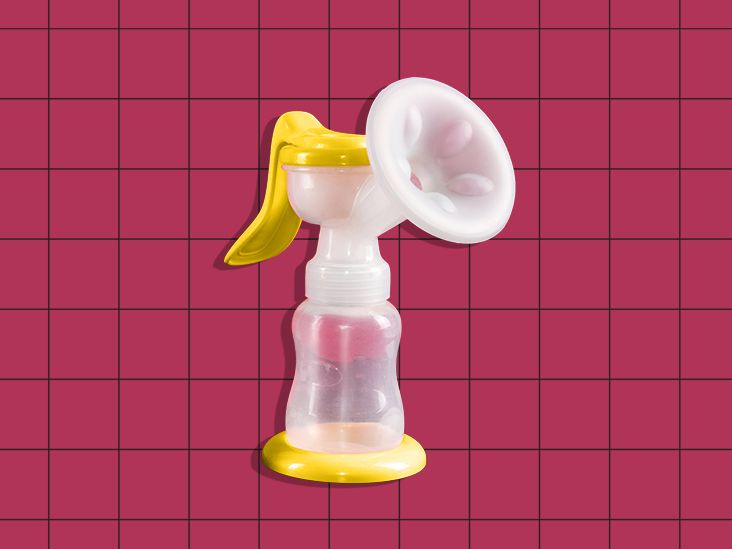
Breast pumping is a game-changer! This revolutionary tool empowers parents on the go, enabling them to share the joy of feeding and ensuring a steady milk supply for every adventure life throws your way.
Whether you’re a working parent, a travel-savvy adventurer, or a warrior juggling multiple responsibilities, breast pumping is a game-changer. It involves using a mechanical device, either manual or electric, to express breast milk for feeding a baby at a later time or for other purposes like maintaining milk supply or relieving uncomfortable engorgement.
And the great thing about breast pumping is that it grants you the superpower of nourishing your little one anytime, anywhere, and means that other family members or friends can get involved. This means you can run errands, go back to work, or enjoy some “me-time” without compromising on the benefits of breast milk.
In this transformative guide, we’ll journey through the ins and outs of breast pumping and explore how to make pumping sessions a breeze.
Whether you’re expecting a bundle of joy or have just entered the parenting realm, mastering the art of breast pumping can be revolutionary. They offer convenience and flexibility to make the chestfeeding journey more enjoyable and sustainable and ensure you and your baby get all the incredible benefits of breast or chestfeeding.
Whether you opt for a manual or an electric pump, we’ve got you covered. Here are step-by-step instructions to help unleash your pumping prowess and stock up on that liquid gold.
Using a manual breast pump may seem old-school, but it’s a fantastic option for on-the-go pumping and gives you complete control over the pumping process.
Here’s how to work it like a pro:
- Prep your pump and hands. Before you start, ensure your hands and the pump are clean and sanitized. You don’t want any unwanted guests crashing the milk party.
- Get comfy. Find a cozy spot to sit where you can relax and have some privacy. Comfort is critical, peeps!
- Assemble the pump. Assemble the manual breast pump according to the manufacturer’s instructions. Usually, it involves connecting the handle to the breast shield and attaching the collection container.
- Position the breast shield. Gently place the breast shield over your nipple, ensuring it fits snugly and comfortably. Remember, it shouldn’t hurt, so make sure you have the correct size of flange for your nipple and then adjust as needed.
- Start the suction. Use the hand pump’s lever or handle to create suction. Start with short, quick sucks to stimulate your let-down, then switch to a slow and steady rhythm for the rest of your pumping session.
- Pump like a champ. Use your hand to pump the lever rhythmically, creating a suction that imitates your baby’s sucking pattern. Relax and let the pump do its thing!
- Switch sides. After 15 to 20 minutes of pumping, or when your breast feels emptied, switch to the other side and repeat the process.
- Store your milk. Transfer the pumped milk into a clean, sterilized storage bag or container once you’re done. Pop it in the fridge or freezer to keep it fresh and safe for your little one.
An electric breast pump is a more efficient, speedy option that requires less work. But you might not find it as convenient.
Here’s the step-by-step process:
- Charge your pump. Ensure your electric breast pump is fully charged before you begin. You don’t want it dying on you midway through a pumping session!
- Wash up. Wash your hands and the pump’s parts thoroughly with warm, soapy water, and let them air dry or use a clean cloth.
- Get comfy. Find a comfy spot with good support for your back. Remember, this is your pumping throne, so treat yourself!
- Assemble the pump. Follow the manufacturer’s instructions to correctly assemble the electric breast pump. Typically, you’ll attach the breast shields, tubing, and collection bottles.
- Position the breast shields. Center the breast shields over your nipples, ensuring a proper fit. The shields should create a seal around the skin without causing discomfort.
- Power up. Turn on the electric breast pump and select your desired suction level and pumping speed. Start with a low setting and gradually increase to a comfortable level.
- Pump away. Let the pump do its thing! The electric pump will automatically mimic a baby’s suckling pattern, which is convenient and practical.
- Switch it up. After about 15 minutes of pumping, or when your milk flow slows down, switch to the other side and repeat the process.
- Collect and store. Pour the pumped milk into a clean, sterilized container for milk storage. Don’t forget to label it with the date and time.
Which is better, manual or electric? Well, it depends on your preferences.
Manual breast pumps are portable, silent, and don’t require any power source, making them perfect for on-the-go pumping and discreet sessions. But, they’re often more time-consuming and may require more effort since you manually control the suction.
On the flip side, electric pumps are efficient, often mimicking a baby’s natural sucking rhythm. Your pumping session can be faster, saving you time and energy. But they can be bulkier, require a power source, need more time to assemble and disassemble, and might not be as discreet as manual pumps.
Ultimately, both types get the job done, and the choice depends on your lifestyle, pumping needs, and personal preference. Some peeps love the hands-on approach of a manual pump, while others appreciate the efficiency of an electric one. So, it’s all about finding the pump that fits your needs.
Timing is everything when it comes to breast pumping. The frequency and duration of pumping depend on various factors, like your baby’s age, your milk supply, and your lifestyle. A major consideration is what are your goals for how you want to feed your baby. Some people want to primarily feed their baby at the breast/chest and pump only occasionally. Other folks plan to pump and feed their baby only with bottles. And of course, there are a million variations in between.
Here are some general guidelines to steer you in the right direction:
- Newborn stage. If you hope to primarily feed your baby directly at your breast or chest, it’s sometimes best not to pump at all until you and your baby have feeding figured out – often when your baby is at least 2–4 weeks old. But if your goal is to solely pump, you’ll want to pump around 8–12 times daily in the early days. This works out to about every 2–3 hours, helping to establish and maintain your milk supply.
- Growing baby. As your baby grows and feeds more efficiently, you can gradually reduce pumping sessions to 6 to 8 times daily.
- Storage and backup. Pumping a few extra times during the day allows you to store breast milk for times when you can’t breastfeed directly, like when returning to work. It’s best not to start pumping just to create a freezer stash until your baby is at least a month old and your milk supply is established. Pumping too much too soon can create an oversupply of milk and some uncomfortable engorgement.
- Pumping duration. Aim for 15–20 minutes of pumping per side in each session. However, remember that everyone is unique, so adjust the time based on your comfort and milk flow.
Listen to your body, respond to your baby’s cues, and find a pumping schedule that works for both of you.
Cleaning and sanitizing your breast pump is crucial to keep things safe and hygienic for your baby. Here’s a step-by-step guide:
- Disassemble the pump. After each pumping session, disassemble the pump into separate parts: breast shields, valves, membranes, and collection bottles.
- Rinse. Rinse all the pump parts with cool water to remove any milk residue.
- Wash. Wash each part in warm, soapy water using a bottle brush and mild dish soap. Pay attention to crevices and small parts.
- Rinse again. Rinse all the parts thoroughly with hot water to remove any soap residue.
- Air dry. Allow the parts to air dry on a clean towel or drying rack.
- Sanitizing. Once a day, sanitize the pump parts by either boiling them in water for 5 minutes or using a steam sterilizer.
- Store clean and dry. Once everything is clean and dry, store the pump parts in a clean, sealed container or bag.
Remember, consistency is critical. Clean your breast pump after each use and sanitize it daily to ensure your little one gets the best and safest milk possible.
Can I freeze breast milk, and how long does it last in the freezer?
Absolutely! Breast milk can be safely stored in a freezer for 12 months, although it’s best to stick with 6 months if possible. And never refreeze human milk after it’s thawed.
How do I know if my breast pump flange size is right for me?
The right fit matters! If your nipples hurt or chafe against the flange, it’s time to try a different size to ensure comfort and efficiency.
Should I pump both breasts simultaneously or one at a time?
Pumping both breasts simultaneously can save time, but some find single pumping more comfortable or necessary if they’re experiencing different milk flow on each side.
Is it normal to produce different amounts of milk during different pumping sessions?
Totally normal! Milk supply can vary based on factors like time of day, stress levels, nutrition, and hydration. Relax! Your body’s got this!
Breast pumping can empower you to nourish your baby easily, making it convenient, flexible, and stress-free.
Whether you choose a manual or electric product, breast pumping has numerous benefits. With the power to maintain milk supply, relieve engorgement, and share the joy of feeding with others, breast pumping truly revolutionizes modern parenting.
It may take a hot minute to get the hang of using a breast pump, so hold on in there. And if you’re having trouble, support from a lactation consultant is priceless.
