

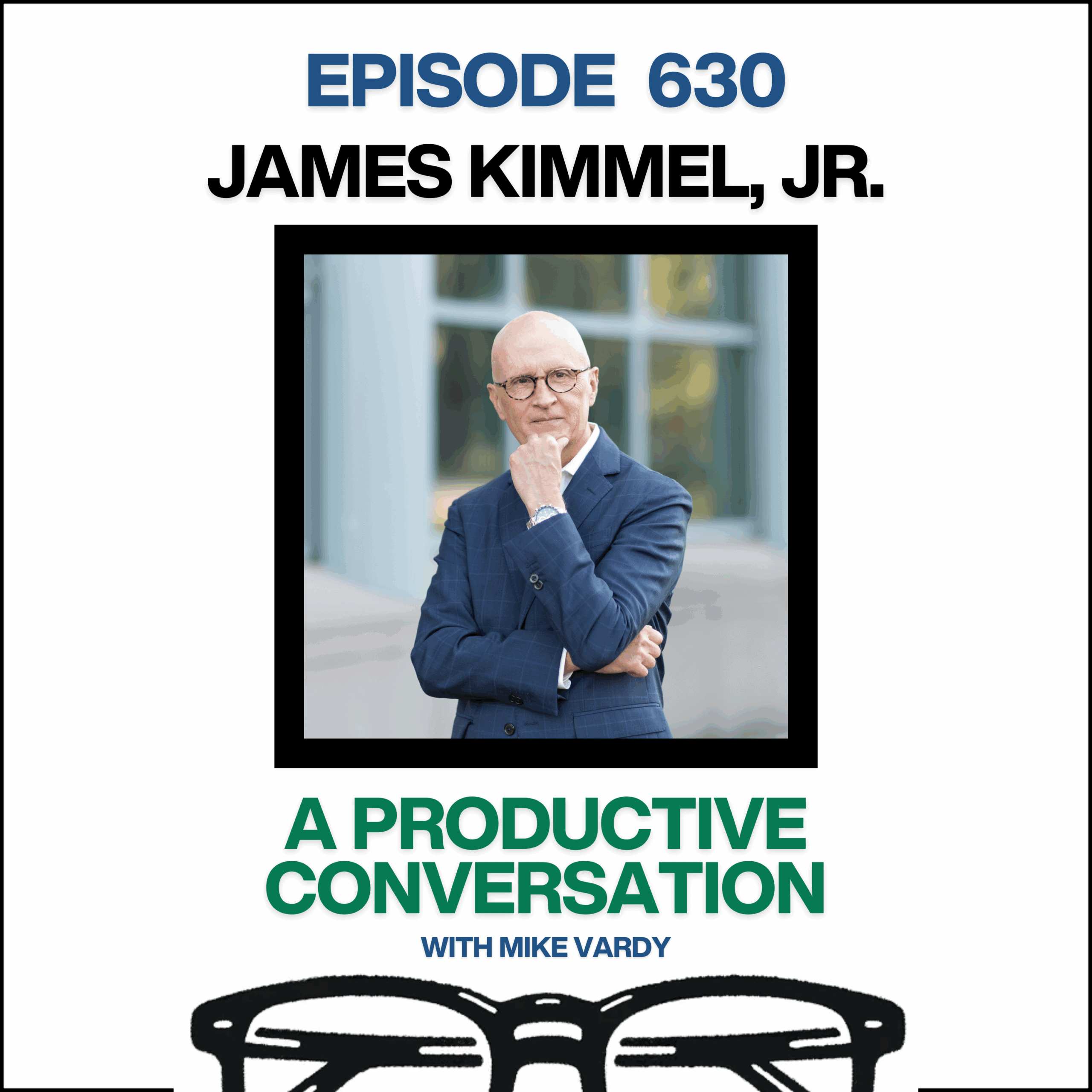
In this episode of A Productive Conversation, I sit down with James Kimmel Jr., JD — a Yale lecturer, lawyer, and leading researcher on the neuroscience of revenge. His new book, The Science of Revenge: Understanding the World’s Deadliest Addiction—and How to Overcome It, explores why our brains crave retaliation and how forgiveness can literally rewire us toward peace.
Our conversation begins with a deeply personal story that shaped James’s life’s work and unpacks how revenge functions like an addiction — one fueled by pain, dopamine, and unchecked desire. What follows is a fascinating look at how our minds process grievance, why forgiveness is a neurological superpower, and how awareness can keep us from being consumed by cycles of anger and retaliation.
Six Discussion Points
- The story behind the MyTOAD App and how it helps users manage time, organization, accountability, and focus.
- Why “Eat That Frog” doesn’t always work for neurodivergent minds—and what to do instead.
- How self-awareness and emotional check-ins can transform productivity habits.
- The role of journaling as both reflection and regulation—tailored to each individual’s comfort level.
- Rethinking ADHD: seeing it as a source of strength rather than a villain to defeat.
- How Hannah’s mission now extends beyond individuals to schools, businesses, and healthcare organizations.
Three Connection Points
This conversation with Hannah reminded me that productivity isn’t about conformity—it’s about compatibility. When we learn to align with our wiring instead of resisting it, we uncover the capacity to work with time instead of against it. Whether you’re neurodivergent or simply human, there’s wisdom here worth dialing into.
Want to support the podcast? You can subscribe to the show and leave quick rating and review wherever you listen to podcasts. You can subscribe on Spotify and also on Apple Podcasts.
