

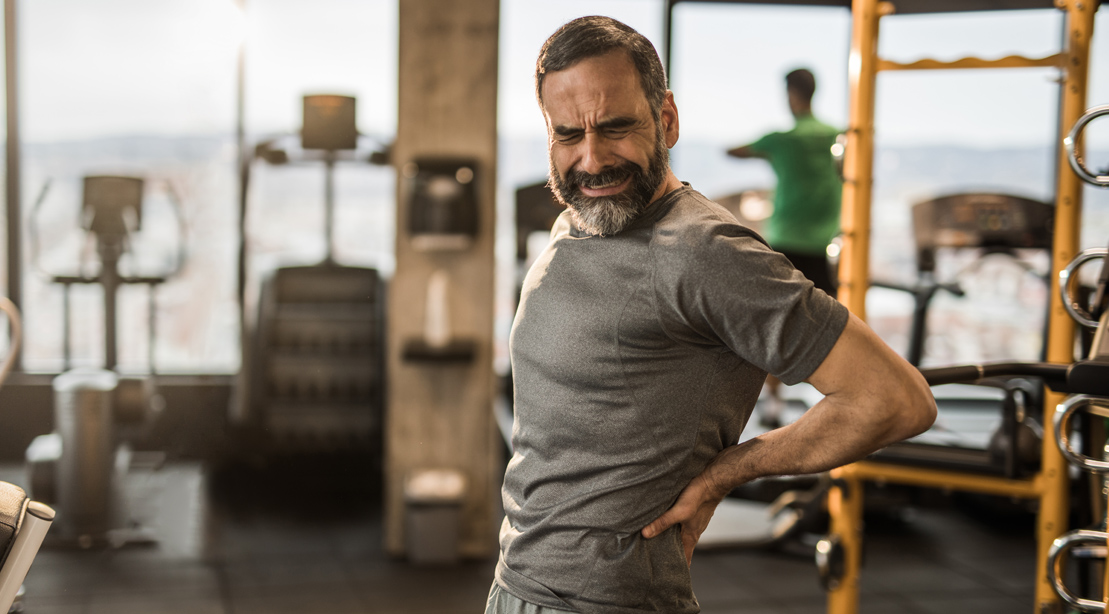
From rigorous training regimens to precise nutrition plans, athletes and fitness enthusiasts are always seeking ways to push their boundaries and achieve new levels of success. Amidst the intense workouts and competitions, recovery is a crucial yet often underestimated aspect that can make all the difference.
While rest days are important to any training program, active recovery is a strategy that takes it to the next level. Active recovery can not only enhance your body’s ability to rebound but also push you toward improved performance.
What is Active Recovery?
Active recovery refers to a strategy where individuals engage in low-intensity exercises or activities following a period of intense physical exertion. The goal of active recovery is to promote healing, reduce muscle soreness, and aid in the overall recovery process without causing further fatigue or stress to the body.
Active recovery typically involves performing light exercises such as walking, cycling, or gentle stretching. These activities help increase blood flow to the muscles, which can assist in flushing out metabolic waste products that accumulate during intense exercise. Active recovery also helps maintain flexibility and prevent stiffness in the muscles and joints.
The concept of active recovery is based on the idea that complete rest following intense workouts might not always be the most effective way to recover. Light physical activity can enhance circulation, deliver nutrients to the muscles, and support the repair and rebuilding of muscle tissue.
It’s important to note that the intensity and duration of active recovery exercises should be kept low to avoid further strain on the body. The specific activities chosen for active recovery should be based on individual fitness levels, preferences, and the type of workout or training that preceded it.
Active recovery can be a valuable component of a well-rounded training program, helping athletes and fitness enthusiasts find a balance between challenging workouts and proper recovery, ultimately contributing to improved performance and reduced risk of injury.
If you are interested in learning more about working with athletes and fine-tuning their training techniques, check out ISSA’s Exercise Recovery Specialist program. Personal trainers who use exercise recovery techniques in their sessions build the most holistic health and fitness programs available.
How Can Active Recovery Benefit Athletic Performance?
Active recovery can benefit athletic performance in several ways:
- Improved Blood Circulation: Engaging in low-intensity activities during active recovery helps increase blood flow to the muscles. This increased circulation helps deliver oxygen and essential nutrients to the muscles, aiding in their repair and recovery.
- Reduced Muscle Stiffness: Light movement and stretching during active recovery can prevent muscles from becoming excessively stiff. This maintains flexibility and range of motion, which is important for optimal athletic performance and injury prevention.
- Faster Waste Removal: Intense exercise can lead to the accumulation of metabolic waste products like lactic acid in the muscles, which contributes to muscle soreness and fatigue. Active recovery promotes the removal of these waste products, helping to reduce soreness and improve muscle function.
- Maintenance of Fitness Level: While complete rest is necessary for recovery, extended periods of inactivity can lead to detraining and a decrease in fitness level. Active recovery allows athletes to maintain a certain level of physical activity without overexerting themselves, helping to preserve their fitness gains.
- Prevention of Muscle Imbalances: Active recovery can help prevent muscle imbalances that may arise from intense training. By engaging different muscle groups or performing gentle movements, athletes can ensure that all muscles are receiving some attention and maintain a better balance in their musculoskeletal system.
- Injury Prevention: Through its impact on circulation, flexibility, and muscle balance, active recovery contributes to reducing the risk of injury. Maintaining these factors helps ensure that athletes can continue their training regimens without interruptions due to injuries.
- Psychological Benefits: Active recovery can have positive psychological effects, helping athletes unwind and reduce stress levels. This mental relaxation contributes to overall well-being and a more positive mindset, which can enhance performance during subsequent training sessions or competitions.
- Enhanced Adaptation: Active recovery helps facilitate the body’s adaptation to training stress. By providing a gentle stimulus, active recovery encourages the body to adapt to the demands of training more effectively, leading to better long-term performance improvements.
It’s important to tailor active recovery strategies to individual needs and the specific demands of the sport or activity. The duration, intensity, and type of active recovery exercises should be appropriate for the individual’s fitness level, the intensity of their training, and their overall recovery needs.
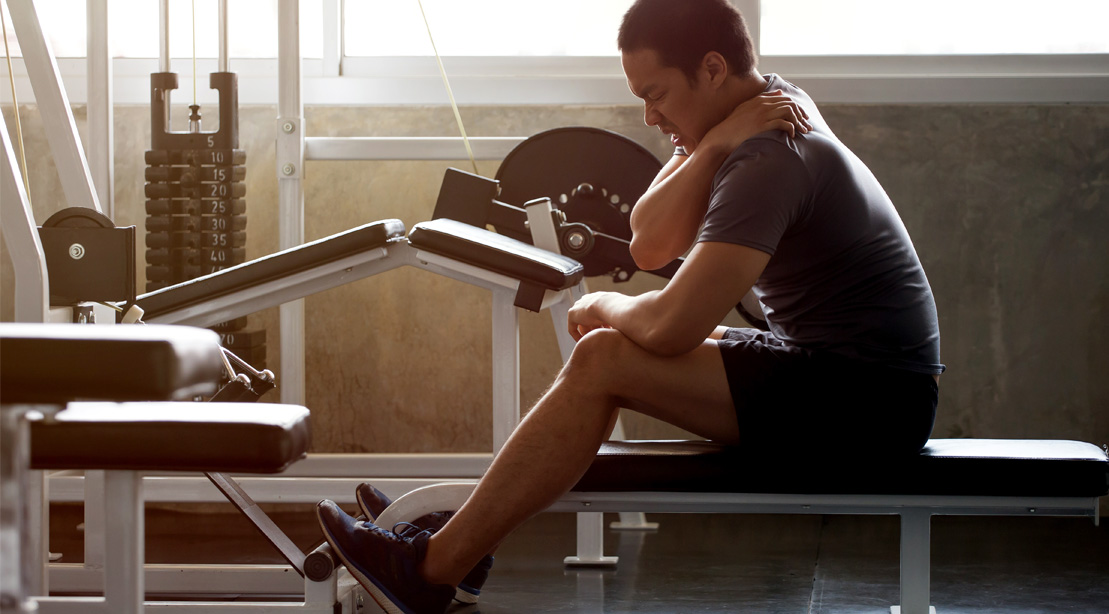
When to Use Active Recovery Versus Passive Recovery
The choice between active recovery and passive recovery depends on various factors, including the intensity of your training, your fitness goals, your overall health, and how your body responds to different recovery strategies. Here’s when you might consider using active recovery versus passive recovery:
Active Recovery:
- After Moderate Intensity Workouts: If you’ve engaged in moderate-intensity exercises that don’t leave you overly fatigued, active recovery can help maintain blood flow, prevent muscle stiffness, and aid in waste product removal.
- Between Intense Workouts: If you have a high-frequency training schedule or back-to-back intense training sessions, incorporating active recovery on rest days can provide a balance between staying active and allowing your body to recover.
- For Injury Prevention: Active recovery can help maintain joint mobility and muscle flexibility, reducing the risk of injury and imbalances caused by prolonged inactivity.
- Psychological Benefits: If you find that staying somewhat active improves your mood, reduces stress, and helps you relax, active recovery can offer mental and emotional benefits.
- Maintaining Fitness Level: Active recovery helps prevent detraining during periods of reduced training intensity or frequency.
Passive Recovery:
- After High-Intensity Workouts: Following intense training sessions or competitions, passive recovery (complete rest) might be more appropriate to allow your muscles and energy systems to fully recharge.
- Injury or Illness: If you’re dealing with an injury or illness, passive recovery can give your body the necessary time to heal without risking additional strain.
- Overtraining or Fatigue: If you’re experiencing signs of overtraining or extreme fatigue, passive recovery allows your body to recover without adding more stress.
- Deep Sleep and Regeneration: Quality sleep is a form of passive recovery that’s crucial for muscle repair and overall recovery. Prioritizing sleep can be especially beneficial during intense training periods.
- Tapering for Competition: In the days leading up to a major competition, reducing physical activity and prioritizing passive recovery can help optimize your performance by allowing your body to reach its peak state.
Ultimately, the decision between active and passive recovery should be based on your individual circumstances and how your body responds. Some individuals might benefit from a combination of both strategies, alternating between active recovery on certain days and passive recovery when needed. Pay attention to your body and your energy levels and consider working with a personal trainer or other fitness professional to create a recovery plan that suits your specific needs and goals.

Active Recovery Workout Examples
Active recovery workouts involve low-intensity exercises that promote blood flow, flexibility, and relaxation without causing additional strain to the body. Here are some examples of active recovery workouts:
- Light Cardiovascular Exercise: A light jog or brisk walk for 20-30 minutes can increase blood flow and promote recovery. Riding a stationary bike or going for a relaxed bike ride are other effective ways to engage the muscles without exerting too much effort.
- Swimming: Swimming at a casual pace can provide a full-body, low-impact workout that helps with recovery.
- Yoga: A slow and gentle yoga sequence can help improve flexibility and reduce muscle tension. Restorative yoga involves holding relaxing poses for longer periods, promoting relaxation and stress reduction.
- Stretching: Static stretching, holding gentle stretches for various muscle groups, can improve flexibility and prevent muscle tightness. Dynamic stretching, performing controlled, fluid movements that take joints and muscles through their full range of motion, can enhance mobility.
- Foam Rolling or Self-Myofascial Release: Using a foam roller or other self-massage tools can help release tension in muscles and fascia, promoting better circulation and recovery.
- Light Resistance Training: Using light resistance bands or bodyweight exercises, perform low-intensity strength training movements to promote blood flow and maintain muscle activation.
- Tai Chi: Tai chi is a gentle, flowing movement practice that promotes relaxation, balance, and mindfulness.
- Low-Intensity Group Fitness Classes: Some fitness centers offer classes specifically designed for active recovery, such as mobility or flexibility classes.
The key to active recovery is keeping the intensity low and focusing on promoting relaxation, blood flow, and muscle release. These activities should not leave you feeling exhausted or sore; instead, they should leave you refreshed and better prepared for your next fitness session. The specific activities you choose will depend on your preferences, fitness level, and any specific recovery needs you might have.
If you love exercise and want to expand your training knowledge, become a Certified Personal Trainer with the International Sports Sciences Association (ISSA). ISSA is proud to be the top rated and reviewed personal training certification program in the nation.
