

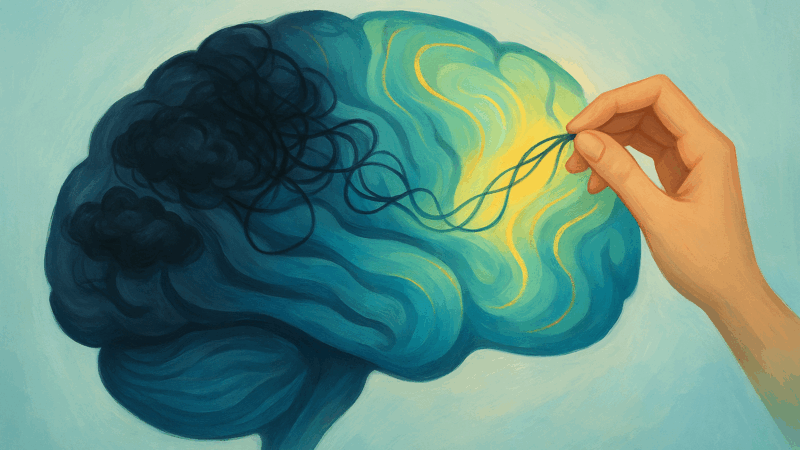
For people struggling with trauma, anxiety, or depression, the journey to healing requires understanding which trauma therapy approaches actually work. Many begin with well-meaning but inadequate advice: “Just think positive thoughts,” “Try meditation,” or “Practice positive affirmations.” While these approaches have value in general wellness, they fall short when addressing the complex neurobiological impact of trauma.
If you’ve tried meditation, positive affirmations, Reiki, yoga, or other wellness practices but still feel stuck, drained, or triggered by past experiences, you’re not alone. Understanding why these methods fail and discovering evidence-based trauma therapy approaches that actually work can transform your healing journey.
The Science Behind Why Positive Affirmations Fail for Trauma
Research reveals a fundamental flaw in how positive affirmations are typically used for trauma recovery. Positive affirmations jump directly from negative feelings to positive ones without addressing the underlying trauma. For a positive affirmation to take hold, its negative counterpart must first be neutralized or desensitized.
This means whatever makes the feeling negative needs to lose its emotional power first. Only then, by adding a positive affirmation to a neutral state, can that positive feeling hold lasting power.
For example, if someone goes from “I am unsafe” to “I am safe,” the safety cannot truly take hold unless the unsafe feeling first loses its emotional charge. The person must no longer be bothered by the original trauma trigger.
The Neurobiological Reality of Trauma
As Bessel van der Kolk, MD, explains in The Body Keeps the Score, trauma’s impact exists in the survival part of the brain, which doesn’t return to baseline after the threat ends. Through brain imaging technology, we can visualize how traumatized individuals struggle to process ordinary, non-threatening information, making it difficult to fully engage in daily life.
Trauma affects the entire human organism; thinking, feeling, relationships, and bodily functions. Survivors often experience:
- Chronic feeling of being unsafe in their bodies
- Visceral warning signs and bodily sensations
- Frozen traumatic images, sounds, or smells in the brain
- Difficulty with emotional regulation
- Recurring patterns and triggers
Why Alternative Therapy Approaches Fall Short for Trauma Healing
Meditation and Mindfulness
While meditation can provide temporary relief and general wellness benefits, it doesn’t specifically resolve underlying trauma issues. Meditation helps manage symptoms but rarely addresses the root cause of traumatic stress stored in the body.
Reiki and Energy Work
Reiki can identify where negative emotions are felt in the body, such as the chest, neck, or legs. However, most energy healing modalities lack specialized tools to actually remove trauma and negative emotions stuck in the body.
Exercise and Yoga
Physical activity and yoga benefit both body and mind and can help clear mental fog. However, when someone has experienced traumatic events like car accidents, painful divorces, or other overwhelming experiences, the negative sensory memories can become frozen in the brain. No amount of yoga or exercise alone can unfreeze those traumatic imprints.
Evidence-Based Trauma Therapy Approaches That Actually Work
Trauma-Focused Therapy Approaches (TF-CBT)
Research demonstrates that TF-CBT effectively reduces symptoms of depression, anxiety, and PTSD. This approach combines:
- Psychoeducation about trauma’s effects
- Coping skills development
- Trauma narrative processing
- Cognitive restructuring of trauma-related beliefs
- Post-treatment planning and relapse prevention
Eye Movement Desensitization and Reprocessing (EMDR)
EMDR helps process traumatic memories without requiring extensive verbal processing, making it particularly effective for those who find talk therapy challenging or re-traumatizing.
Emotion-Focused Therapy (EFT)
EFT helps clients build emotional regulation skills and learn healthy responses to difficult emotions. This approach is particularly effective for complex trauma survivors.
Body-Based Trauma Therapy Approaches
These therapies recognize that trauma lives in the body and focus on:
- Resensitizing the nervous system to safety
- Completing interrupted fight-or-flight responses
- Restoring a felt sense of control and empowerment
- Processing trauma through body awareness rather than just talk
Find Specialized Trauma Support
If you recognize yourself in this description, feeling stuck despite trying positive approaches, experiencing unexplained anxiety, or finding that the same patterns keep recurring, it may be time to seek specialized trauma support.
Ready to explore evidence-based trauma therapy approaches? Browse our comprehensive directory of trauma-informed therapists who specialize in approaches that actually resolve trauma at its root rather than just managing symptoms.

How Professional Trauma Therapy Approaches Differ from General Counseling
The Tracing Process
Effective trauma therapy approaches often involve tracing current difficulties back to their origins. On average, it takes less than a minute for trained trauma specialists to identify the connection between today’s struggles and past experiences. This linking process clarifies differences between past and present, helping clear current issues successfully.
Specialized Treatment Methods
Talk therapy alone often isn’t enough to heal trauma. Since trauma keeps people stuck in the past, talking about traumatic experiences can sometimes worsen distress. The good news is that specialized treatment methods can resolve trauma with little or no talking required.
Addressing the Unconscious
If you wonder why you feel anxious for no apparent reason at 2 a.m., rest assured there’s always an unconscious cause. Trauma therapy approaches help uncover and resolve these hidden triggers that keep you stuck in survival mode.
Understanding Different Trauma Therapy Approaches and Timelines
The length of trauma therapy approaches depends on several factors:
- How many issues you wish to resolve
- How deeply traumas are embedded in the unconscious
- Your personal healing capacity and resources
- The therapeutic approach used
It’s important to note that there are major traumas (like accidents) and smaller ones (like conflicts with loved ones). The process to resolve them is essentially the same, though the timeline may vary.
FAQ: Common Questions About Modern Trauma Therapy Approaches
Q: How do I know if I need specialized trauma therapy approaches versus regular counseling? A: If you experience recurring patterns, unexplained anxiety, emotional numbness, intrusive thoughts, or feel stuck despite trying positive approaches, trauma-informed therapy approaches may be more appropriate than general counseling.
Q: Will trauma therapy approaches make me feel worse initially? A: Quality trauma therapy approaches prioritize your safety and emotional capacity. While processing can bring up difficult feelings, skilled trauma therapists use techniques to prevent overwhelming or re-traumatizing clients.
Q: How long do trauma therapy approaches typically take? A: The timeline varies based on individual factors, but many people notice significant improvements within 3-6 months of consistent trauma-informed therapy. Complex trauma may require longer treatment.
Q: Can trauma therapy approaches work if I don’t remember my trauma clearly? A: Yes. Many effective trauma therapy approaches work with whatever memory or body sensations you have, regardless of detail or clarity. Your body holds the memory even when your mind doesn’t.
Q: Is it normal to feel resistant to trauma therapy approaches? A: Absolutely. Resistance often indicates your protective system is working. A skilled trauma therapist will work with your resistance compassionately and help you move at a pace that feels safe.
Building Trust and Connection in Healing
Above all, trust and connection between therapist and client are essential for trauma recovery. This therapeutic relationship becomes the foundation for healing because, ultimately, you’ll be working toward the same goals: your healing, growth, and freedom from trauma’s grip.
When choosing a trauma therapist, look for someone who:
- Specializes in trauma-informed approaches
- Creates a sense of safety and trust
- Respects your pace and autonomy
- Uses evidence-based methods
- Understands trauma’s impact on the nervous system
Moving Forward: Your Investment in Healing
Imagine for a moment that you could resolve your trauma symptoms and ease your physical stress responses in the most effective and efficient way possible. How would that change your life? What becomes possible when you’re no longer held hostage by past experiences?
Quality trauma therapy approaches aren’t just an expense, they’re an investment in reclaiming your life, relationships, and peace of mind.
Remember, healing is possible. With the right therapeutic approach and support, you can move from surviving to truly thriving.
Additional Resources
- Read More:
- External Resources:

The preceding article was solely written by the author named above. Any views and opinions expressed are not necessarily shared by GoodTherapy.org. Questions or concerns about the preceding article can be directed to the author or posted as a comment below.
