

Sure, coffee is great for a ton of things. You know, like basic human function when exhaustion sets in. But is it worth the price you pay for a good sip of java? Aka, the endless hours of indigestion or jitters you get when you overdo it.
According to a gastroenterologist and a registered dietitian, enjoying your daily cuppa doesn’t have to lead to your digestion feeling out of sorts or your anxiety spiraling for hours on end. In fact, the health experts agree there are several science-backed ways to reduce the effect of caffeine in the body without giving up your daily brews cold turkey. Ahead we’re delving into why having too much caffeine can wreak so much havoc, ways to minimize the impact caffeine has on your body, and what these health pros say is the best way to get your caffeine fix (with the least amount of side effects).
How does caffeine impact your system?
According to Melanie Murphy Richter, MS, RDN, a registered dietitian and neuronutritionist, caffeine is a stimulant that is found in a variety of foods like coffee beans, certain tea leaves, cacao, and chocolate, or it can be synthetically added to certain energy drinks (even water) as a means of supplying fast-acting energy. Studies say that as many as 93 percent of Americans consume at least one caffeinated beverage a day. But what effect does caffeine found in the bevy of food and drinks many of us consume regularly have on our system?
First and foremost, Sarah Robbins, MD, FRCPC, a gastroenterologist, gut health expert, and the founder of Well Sunday, says caffeine affects just about every system in the human body. But it potentially has the greatest effect on the central nervous system. “Caffeine influences several neurotransmitters [chemical messengers in the brain] that affect mood, energy levels, and overall cognitive function,” Dr. Robbins says.
The most significant of these interactions? It’s effect on the neurotransmitter, adenosine. “Adenosine is a neurotransmitter that plays a crucial role in promoting sleep and suppressing arousal,” Dr. Robbins explains. “Caffeine acts as an adenosine receptor antagonist.” In other words, caffeine binds to adenosine receptors without activating them, effectively blocking adenosine from attaching to these receptors. “Since adenosine cannot bind to its receptors to exert its calming effects, the result is increased neuronal activity and reduced feelings of tiredness,” Dr. Robbins adds.
In turn, the blocked adenosine receptors trigger a series of chemical reactions that lead to the physiological responses like enhanced alertness, energy, focus, and cognitive performance most commonly linked to caffeine consumption, according to Dr. Robbins.
Aside from caffeine’s impact on the central nervous system, it also plays a role in increasing heart rate and blood pressure (cardiovascular system), the release of the “fight or flight” hormone adrenaline (endocrine system), increased urination due to its diuretic effects (urinary system), increase in metabolic rate and heat production (metabolic system), and increased acid production (digestive system), to name a few.
The downside of too much caffeine? When consuming it leads to adverse reactions such as feelings of jitteriness, anxiety, and increased heart rate. Fortunately, there are ways to minimize the impact caffeine has on your system.
6 ways to minimize the effect of caffeine on your body
1. Avoid drinking caffeine on an empty stomach
According to Richter, one of the best ways to reduce the impact of caffeine on your body is to avoid drinking it on an empty stomach. “As often as you can, have some food in your system before drinking caffeine. The negative effects of caffeine like anxiety, restlessness, or fast heartbeat can be lessened when your body has a bit of buffer in the stomach,” she says.
Meanwhile, Dr. Robbins agrees and notes that some of the best foods to have ahead of a caffeinated sesh include high-fiber foods like whole grains, fruits, and veggies because they can help slow the absorption of caffeine into your bloodstream, protein-rich foods like eggs, yogurt, nuts, or a protein smoothie because they can help stabilize blood sugar levels and reduce jitteriness, and complex carbohydrates like oatmeal or whole-grain bread because they can slow the absorption of caffeine and provide a more sustained energy release.
2. Hydrate, hydrate, hydrate
Don’t have a chance to snag a snack before your cup of coffee is ready? Dr. Robbins says drinking water before (and after) caffeine consumption can help prevent dehydration and help keep potential digestive issues at bay. “Caffeine will be much more concentrated in the body if we are not hydrating properly. Drinking a big glass of water first thing in the morning before your morning coffee can help dilute caffeine’s effect and impact,” Richter adds.
Have a particularly sensitive stomach or a propensity for acid reflux? Dr. Robbins notes that adding milk or a dairy alternative to coffee can also help buffer the stomach acid increase that caffeine causes. Meanwhile, herbal teas, like peppermint or ginger tea, can also help soothe the digestive system and mitigate symptoms of acid reflux or stomach discomfort, Dr. Robbins says.
But when in doubt, H2O is always a great choice. “It’s worth reiterating the importance of drinking water after consuming caffeine to ensure you stay hydrated and help flush any excess caffeine out of your system more efficiently,” Dr. Robbin says. As a rule of thumb, she recommends drinking a glass of water for every caffeinated beverage to help maintain hydration levels.
3. Time your caffeine consumption wisely
Dr. Robbins and Richter both agree that coffee and mornings go hand in hand. “Consuming caffeine early in the day helps ensure that its effects wear off by bedtime, reducing the risk of sleep disturbances,” Dr. Robbins says. Richter recommends ceasing caffeine consumption by 1 p.m. at the latest so that it’ll be out of your system by the time you turn in for the night. Meanwhile, Dr. Robbins notes that caffeine can have a half-life of three to five hours, but can affect your system for much longer, so another rule of thumb is to stop consuming it at least six hours before you go to sleep. This is especially true if you suffer from GERD. “If you’re prone to acid reflux, try to avoid lying down immediately after consuming caffeinated beverages. Standing or sitting up can help prevent stomach acid from flowing back into the esophagus,” Dr. Robbins says.
That said, if you’re looking to use caffeine to help fuel an afternoon workout, Dr. Robbins says timing is everything. “Consider timing caffeine consumption around your workouts to use the energy boost effectively and potentially decrease the time caffeine affects your system, as engaging in physical activity can help metabolize caffeine faster,” she says.
4. Limit your caffeine consumption whenever possible
Like most things in life, moderation is key. That’s why both Dr. Robbins and Richter recommend limiting caffeine intake whenever possible to help mitigate common caffeine-related symptoms like anxiety, jitteriness, or heart palpitations. “This may seem obvious, but reducing your intake will ensure you don’t overload your body,” Richter says. For most people, according to Dr. Robbins, a moderate caffeine intake is considered to be 200 to 300 milligrams per day, equivalent to about two to three cups of coffee. “However, if you’re sensitive to caffeine, you may need to limit your intake even more,” she says.
If limiting caffeine isn’t your first priority, switching to lesser-caffeinated beverages can also help. Dr. Robbins says tea, decaffeinated coffee, or herbal infusions can help you gradually reduce your caffeine intake. Keep in mind that quitting caffeine abruptly can also have adverse effects. “It can lead to withdrawal symptoms like headaches, irritability, and fatigue,” she says, especially if you’ve been accustomed to consuming large amounts of caffeine regularly. As such, gradual reduction can help the body adjust more smoothly.
Pro tip: Dr. Robbins notes that caffeine isn’t just in coffee or teas—so make sure to read the nutrition labels. “It’s also present in many sodas, energy drinks, chocolate, and certain medications,” she says. “Be mindful of these sources when trying to minimize your overall caffeine intake.”
5. Prioritize good sleep
As vital as coffee may seem, Richter says it’s best to resolve the root cause of your exhaustion, which is likely due to poor sleep. “If you are grabbing coffee or caffeine to make up for a lack of sleep, your body will never truly recover. Getting better sleep will help ensure that you don’t need much caffeine to function properly,” she says. In Dr. Robbins purview this means maintaining a consistent sleep schedule, creating a comfortable sleep environment, and avoiding electronic screens before bed.
6. Eat something after consuming caffeine
According to Dr. Robbins, having a snack after caffeine consumption can also help minimize the impact it has on your system. Some of her go-tos: potassium-rich bananas that can help replenish electrolytes that might be depleted due to caffeine’s diuretic effect and can also aid in maintaining heart health and reducing the effects of caffeine-induced jitteriness; and magnesium-rich foods—like spinach, almonds, and black beans—that can help replenish depleted magnesium stores from caffeine consumption and aid in muscle function and relaxation.
Health expert-recommended caffeinated (and non-caffeinated) drinks for energy
1. Matcha or green tea
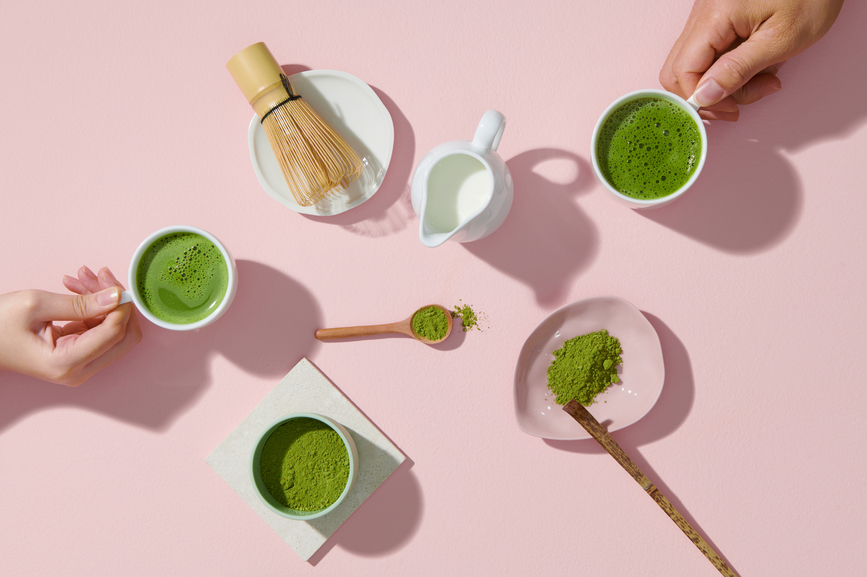
“Matcha contains a unique form of caffeine known as L-theanine, which promotes a more sustained release of energy without the typical jitteriness or crash. It also provides antioxidants, promoting overall health,” Dr. Robbins says. “Matcha, which is the ground whole leaves of green tea, or its strained counterpart—green tea—have a third of the amount of caffeine as coffee. And the L-theanine in matcha and green tea help to slow down caffeine’s effects, making it a smoother and gentler caffeine option,” Richter adds. Meanwhile, Dr. Robbins notes that the L-theanine—also found in green tea—can also help promote relaxation and can improve focus without causing restlessness.
2. Chicory root coffee
Looking for a caffeine-free alternative that’ll still give you a similar experience to drinking a cup of coffee? Dr. Robbins says chicory root coffee is the way to go thanks to its gut health perks. “Chicory root coffee is a caffeine-free alternative that tastes similar to coffee. It’s rich in inulin, a type of prebiotic fiber that can aid digestion and improve gut health,” she says.
3. Herbal teas and drinks
When it comes to bedtime, Dr. Robbins says herbal drinks, like golden milk, are a great option that promotes relaxation. “Golden milk—made with turmeric and other spices mixed into warm milk or a dairy-free alternative—offers anti-inflammatory benefits. It can promote relaxation and is ideal for consumption before bed,” she says. If golden milk isn’t your cup of tea, she also suggests herbal infusions like peppermint, ginger, or chamomile “that provide various health benefits, from digestive support to stress reduction.”
4. Coffee
Phew! Yes, coffee is indeed one of the best sources of caffeine, according to Dr. Robbins. The key? Limiting intake. “Coffee, when consumed in moderation—typically three to four cups per day—has been linked to numerous health benefits, including a reduced risk of type 2 diabetes, certain cancers, Parkinson’s disease, and liver disease. The key is to consume it without excessive amounts of sugar or high-fat dairy products to maintain its health benefits,” she says.
Well+Good articles reference scientific, reliable, recent, robust studies to back up the information we share. You can trust us along your wellness journey.
