

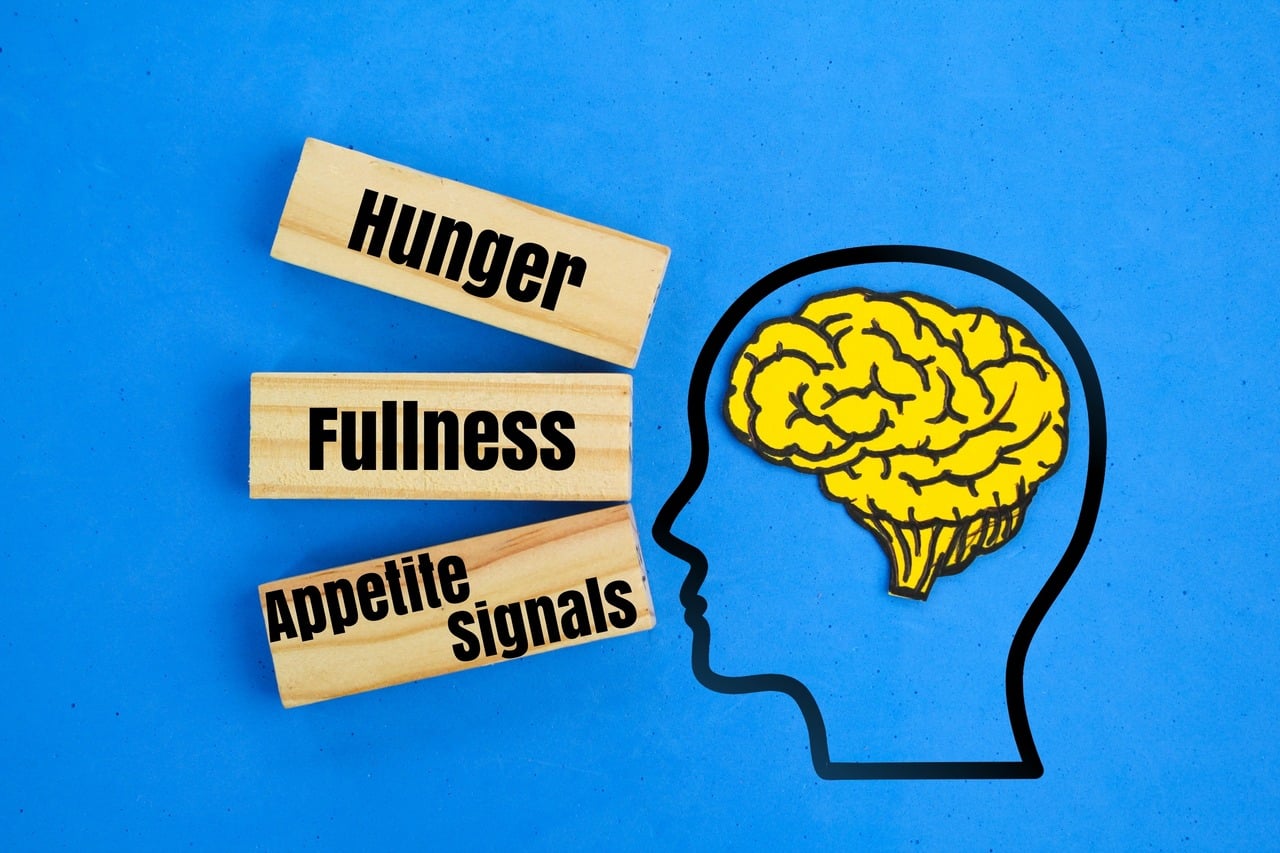
Due to the increasing influence of diet culture, there is an abundance of diets instructing people on what they should eat. But, there are alternative and better options to fad diets and restrictive eating habits, such as intuitive eating. True to its name, intuitive eating involves breaking free from the cyclical nature of diets and adopting a mindful and guilt-free approach to eating.
Unlike traditional diets, intuitive eating avoids calorie counting and restrictions on specific foods. It doesn’t prescribe guidelines on what to avoid or dictate when and what to eat. Through a non-dieting perspective, intuitive eating encourages a more natural and individualised approach to nourishing the body.
While intuitive eating promotes a more personalised and less restrictive approach to dietary habits, it is not a one-way ticket to mindless eating. Striking a balance is crucial. Also, it’s vital to be mindful of how to imbibe it correctly into one’s lifestyle. This article covers key points to help you enjoy the benefits of intuitive eating without falling into the trap of mindless consumption.
What is Intuitive Eating?
In the 1990s, Evelyn Tribole, RD, and Elyse Resch, RDN, coined the term “intuitive eating.” Intuitive eating promotes a flexible, mindful connection with food. It also emphasises tuning into your body’s cues for healthier eating habits. The concept is built on the principle that prioritising lifestyle changes and personal care is more critical for long-term health.
Intuitive eating differs from traditional dieting approaches. It’s not a rigid eating plan or a diet with strict rules. It avoids labelling foods as “good” or “bad” and doesn’t aim for weight loss or body change. However, intuitive eating doesn’t mean indulging in unhealthy foods and giving in to cravings.
How to Practise Intuitive Eating: The 10 Principles to Follow
The ten principles of intuitive eating serve as a framework for cultivating a healthier and more positive relationship with food. For those looking to adopt intuitive eating, the following principles provide additional guidance to start the practice.
1. Reject the Diet Mentality
The first principle of intuitive eating advocates breaking away from fad diets and dismissing the belief that quick-fix plans yield lasting results. It means avoiding any information that promises rapid weight loss without scientific backing. Most people struggle with diets, restricting themselves and experiencing temporary weight loss, only to regain it and get into depression. The fundamental truth is that fad diets are not sustainable.
2. Honour Your Hunger
Strict and restrictive diets often leave you feeling nutritionally deprived and hungry. It triggers episodes of binge eating. Rather than focusing on calorie counting or portion control, listen to your body’s hunger cues.
Consume food when you feel hungry and stop when you are satisfied. It involves ensuring an adequate intake of calories and carbohydrates to keep your body nourished and satisfied. While it’s essential to respond to hunger cues and eat when hungry, making mindful and health-conscious food choices is also crucial.
3. Make Peace With Food
In today’s world, people frequently label food as either “good” or “bad.” Labels like this have everything to do with diet culture. However, no foods are off-limits. You can still enjoy white bread and still lead a healthy life. While the principle of intuitive eating, granting “unconditional permission to eat,” may sound like it could lead to overindulgence, it rarely unfolds in that manner.
Giving yourself permission to enjoy foods that restrictive diets prohibit eliminates any guilt associated with consuming them. When these foods are no longer off-limits, their appeal may diminish. Opting for what you genuinely desire can lead to greater satisfaction with your meals; denying yourself might result in indulging in unhealthy snacks later.
4. Challenge the Food Police
People don’t inherently possess the idea that certain foods are bad or good. External influences largely shape your judgments about food. These imposed rules contribute to feelings of guilt and shame surrounding eating. Therefore, challenging them is a vital step. Such food police can also be friends, family, or acquaintances passing judgment and offering “advice” about your eating habits.
5. Respect Your Feeling of Fullness
While eating when you’re hungry is necessary, it’s equally important to stop when you are full. Therefore, pay attention to your sense of fullness as you eat. Stop consuming food when you reach a state of comfortable fullness.
6. Discover the Satisfaction Factor
Take your time, and do not rush when eating. Avoid consuming food when multitasking or being distracted by activities such as watching TV or working. Research indicates that individuals who eat while engaged in other activities are prone to consuming more, either during that meal or at their subsequent one. Focus on your food during meals so that you can genuinely feel satiated after a meal.
7. Honour Your Feelings Without Using Food
Resorting to a favourite snack or comfort meal as a means of addressing emotional needs, reducing anxiety, or alleviating stress is a common coping mechanism. However, this behaviour is unrelated to physical hunger. Instead, it revolves around seeking comfort or suppressing uncomfortable feelings and situations.
Since people frequently overeat due to such emotions, it is crucial to address the root causes. Therefore, develop alternative strategies to resolve issues without relying on food.
8. Respect Your Body
It’s crucial to recognise that intuitive eating is a personalised approach. Each body type has distinct needs and signals. Therefore, seeking guidance from certified and reputable platforms like HealthifyMe can assist you in adopting healthy habits and understanding your body’s cues through tailored diet plans and personalised support.
9. Exercise to Feel the Difference
When considering exercise, the image that may come to mind is often intense workout sessions. However, it doesn’t have to be this way. Adopting an intuitive eating approach doesn’t necessarily mean daily gym visits. Instead, incorporating regular movement into your routine is advisable. The key is to find an exercise that is sustainable and enjoyable for you.
10. Honour Your Health With Gentle Nutrition
Even with the “eat what you want” approach of intuitive eating, it’s essential not to disregard the importance of good nutrition. Make food choices that prioritise your health by including a variety of food groups such as carbohydrates, proteins, fats, dairy, fruits, and vegetables. While the occasional indulgence of ice cream or a burger won’t have a significant impact in the long term, what matters most is the overall pattern of your daily food choices.
Why You Should Try Intuitive Eating
Intuitive eating is suitable for individuals of all ages, genders, and body types. It offers a holistic approach to eating, benefiting anyone aiming to foster a healthier relationship with food and their body. Intuitive eating teaches you that what you eat is just one factor in your overall health.
Tuning into your body’s hunger and fullness signals enables a better understanding of your body’s needs. As a result, you are more likely to experience satisfaction and nourishment, minimising the chances of overeating or undereating.
Research also shows that people who follow their eating patterns with personal hunger signals tend to have diets considered “healthier” compared to those who follow specific food or diet rules. In this context, “healthier” signifies that intuitive eating-based diets better align with official nutrition recommendations. Therefore, intuitive eating, which involves not adhering to traditional nutrition “rules,” can still result in a more nutritious diet.
Although intuitive eating is a good approach, it is not designed for individuals pursuing specific weight loss-related goals. Instead, its primary aims are to foster a less complicated relationship with food, potentially leading to improvements in both overall health and mental well-being. If your goal is expert-led, evidence-based weight loss for health reasons, intuitive eating may not be the most suitable approach at this time. However, certain aspects of intuitive eating might still be worth considering and adopting.
Healthify Your Intuitive Eating
Intuitive eating has the potential to free people from a dieting mentality, steering clear of the “eat-this-not-that” approach. Nonetheless, there can be situations where intuitive eating causes a sense of confusion about what indeed constitutes a balanced approach. Also, intuitive eating grants unconditional permission to consume what feels good. Therefore, you might be overindulging in foods that are not good for you.
For some people, intuitive eating may not come naturally. They are suffering from a mindset that has come from the diet mentality and restrictions. Hence, seeking guidance from a qualified coach available on reputable wellness platforms like HealthifyMe can be beneficial. Intuitive eating is a personal journey, and with HealthifyMe, you can follow a customised plan that suits your needs. With a personalised plan tailored to your metabolic parameters, you can discover what works and doesn’t work for your body along the way.
Intuitive eating is a learning process. Many of us may not understand how our body works. Working with a nutritionist teaches you the basics of a healthy lifestyle. For example, if you are someone who experiences an energy slump after eating your usual breakfast of bread and egg, a nutritionist may ask you to change the combination. Instead, they may ask you to make healthy swaps and go for multigrain bread. Therefore, what your body wants can be learnt. While working with experts, you understand the fundamentals of balancing nutrients, healthy plating methods, hydration, sugar spikes and many such concepts that can change the way you perceive food.
Though intuitive eating sounds like the best way to eat, one needs to have a studied approach towards that. Otherwise, there is a possibility of confusing intuition with want. As a result, one may opt for the wrong foods, like sugary treats and fried foods. Therefore, over time, you must work on developing a nutritionally balanced perspective on foods. As a result, you will know what is good for your body. Consequently, you can achieve a state of healthy intuition in eating habits.
HealthifyMe Suggestion
Applying intuitive eating concepts can be done in a few different ways. Prioritise eating a balanced diet. Eating “intuitively” should not mean consuming more ice cream than fruits and vegetables. However, a diet need not be healthy. Take a moment to evaluate your current condition in the middle of your meal or snack. You could pose questions to yourself, such as “How full do you feel?” Do you still eat to satisfy your hunger or do you eat to relieve stress, boredom, or distraction?
The Final Word
Intuitive eating is a process of re-learning and improving your relationship with food. So, it requires time. It might feel challenging initially, especially if you’re accustomed to following restrictive diets. Therefore, to make it effective, it’s crucial to embrace all ten principles fully. It will involve some trial and error as you begin to eat according to your desires, recognise hunger and fullness, and learn how to make healthier choices.
Long-term health is achieved through a sustained commitment to healthy eating, not through short-term diets. Also, it is imperative not to confuse intuitive eating with eating the wrong things. There is a thin line between intuition, desire and craving. The ideal way to start your intuitive eating journey is to seek support from an expert and understand the basics of healthy eating. Once the body learns to recognise what it needs, intuitive eating will fall into one’s life seamlessly.
Disclaimer: The purpose of this article is just to disperse knowledge and raise awareness. It does not intend to replace medical advice from professionals. For further information, please contact our certified nutritionists Here.
Research Sources
2. What Is a Snack, Why Do We Snack, and How Can We Choose Better Snacks? A Review of the Definitions of Snacking, Motivations to Snack, Contributions to Dietary Intake, and Recommendations for Improvement
3. Stress and Eating Behaviours
Frequently Asked Questions (FAQs)
Q: What exactly is intuitive eating, and how does it differ from traditional diets?
A: Intuitive eating is an approach that promotes listening to your body’s hunger cues and eating accordingly. It differs from traditional diets because it’s not about restricting foods or following strict eating patterns. Instead, it focuses on tuning into your body’s needs, eating when you’re hungry and stopping when you’re full.
Q: Can anyone practise intuitive eating, or is it only suitable for certain individuals?
A: Anyone can practise intuitive eating. It’s suitable for individuals looking to develop a healthier relationship with food and their bodies, regardless of age, gender, or health status.
Q: How does intuitive eating impact weight loss or weight management?
A: Intuitive eating may lead to weight stabilisation rather than weight loss. That is because its primary focus is on developing a healthy relationship with food, not on weight control. Some individuals may experience weight loss as their eating habits normalise, while others may find their weight naturally stabilises over time.
Q: Are there specific guidelines or rules to follow when adopting intuitive eating?
A: While intuitive eating doesn’t have strict rules, it does offer principles like rejecting the diet mentality, honouring your hunger, making peace with food, and respecting your fullness. The approach encourages mindful eating practices and listening to your body’s signals rather than following external diet rules.
Q: Can intuitive eating help with emotional eating and stress-related eating habits?
A: Yes, intuitive eating can help address emotional and stress-related eating by encouraging individuals to explore the underlying emotions driving their eating behaviours. It promotes finding alternative ways to cope with emotions and stresses without using food as the primary method.
Q: Is intuitive eating effective for individuals with specific dietary restrictions or health conditions?
A: Intuitive eating can be adapted to accommodate dietary restrictions or health conditions. It emphasises the importance of listening to one’s body and making food choices that feel good and support health. It can include considering any necessary dietary adjustments based on medical advice.
Q: How do I distinguish between genuine hunger and emotional hunger when practising intuitive eating?
A: To distinguish between genuine and emotional hunger, pay attention to physical signals of hunger (like a growling stomach) and assess whether emotional needs are driving the desire to eat. Intuitive eating encourages exploring other ways to meet emotional needs without using food as a measure of distraction.
Q: Can intuitive eating be combined with other diet plans or nutritional approaches?
A: Intuitive eating is a standalone approach focused on internal cues rather than external diet rules. While you cannot combine it with strict diet plans, it can complement nutritional approaches that prioritise health and well-being, provided they allow for flexibility.
Q: Is there scientific evidence supporting the long-term success of intuitive eating for health and well-being?
A: Yes, research indicates that intuitive eating is associated with various health benefits. These benefits include improved psychological well-being and reduced rates of disordered eating. Studies also suggest that intuitive eating practices can contribute to long-term health and wellness.
Q: How can one start practising intuitive eating, and what are common challenges associated with it?
A: To start practising intuitive eating, begin by tuning into your body’s hunger and fullness signals, challenging your diet mentality, and allowing yourself to enjoy food without guilt. Common challenges include letting go of strict diet rules and navigating societal pressures around eating and body image. Seeking support from resources like HealthifyMe or a dietitian familiar with intuitive eating can provide guidance and support.
