

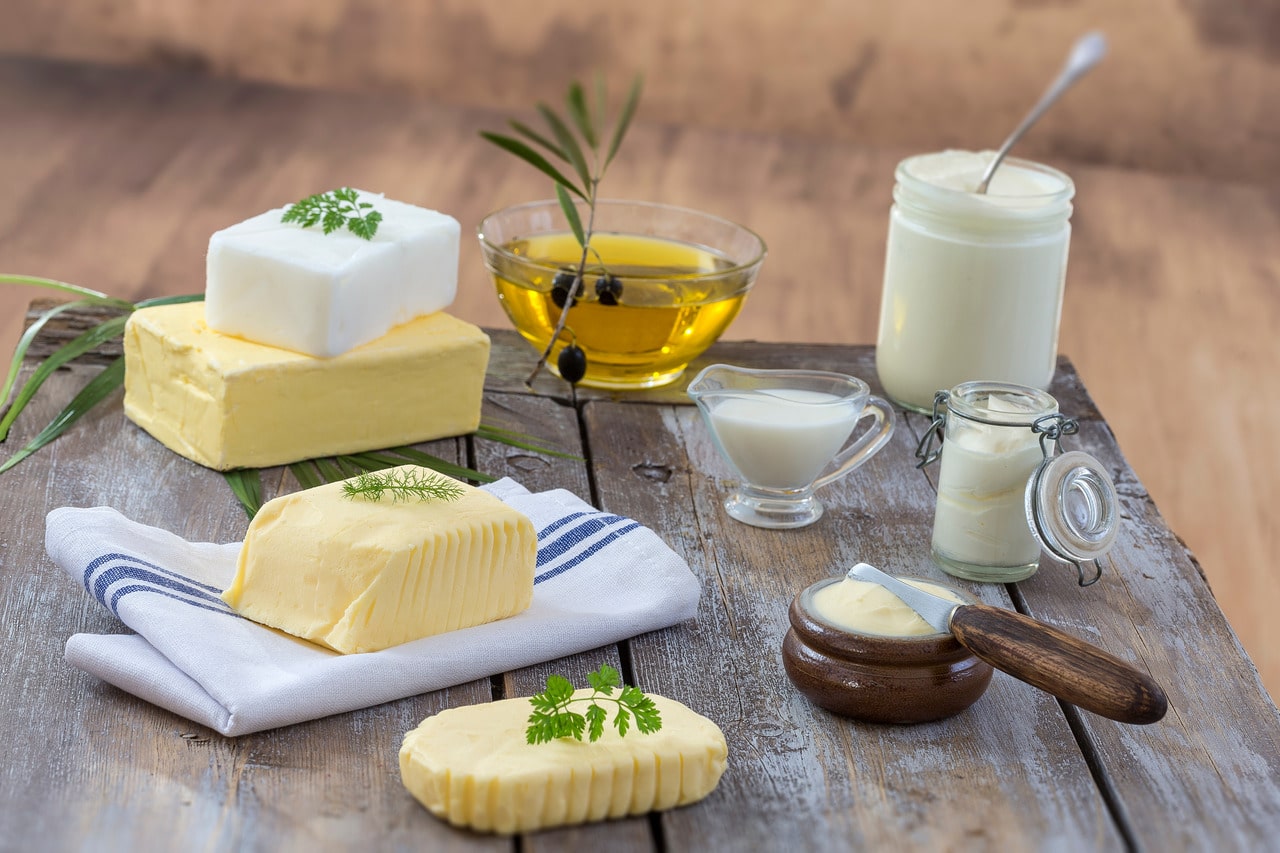
Dietary fats and oils are essential for human health as they provide vital nutrients, such as fatty acids and fat-soluble vitamins (A, D, E, and K). They support cellular function, aid in nutrient absorption, and are a concentrated energy source. Balanced consumption of healthy fats promotes overall well-being and helps prevent chronic diseases when chosen wisely.
Understanding the differences between dietary fats and oils is crucial for making informed dietary choices. Fats are typically solid at room temperature, while oils are liquid, primarily due to variations in their fatty acid composition. These differences impact their health effects. Knowing which fats are saturated, unsaturated, or trans can help in managing cholesterol levels and reducing the risk of heart disease. Additionally, recognizing the sources of fats and oils aids in making healthier food choices, promoting overall well-being, and preventing diet-related health issues.
This article discusses the importance of dietary fats and oils. Furthermore, it explores the differences between fats and oils, emphasizing their varying properties.
The Chemistry of Fats and Oils
Fats and oils, collectively known as lipids, share a common chemical structure known as triglycerides. This structure consists of three fatty acid molecules bonded to a glycerol molecule through ester linkages. Fatty acids are hydrocarbon chains with a carboxyl group (-COOH) at one end.
The key difference between fats and oils lies in their physical state at room temperature. Fats are typically solid, while oils are liquid. This variation is primarily due to differences in the fatty acid composition:
- Saturation: Fatty acids can be saturated or unsaturated. Saturated fatty acids have no double bonds between carbon atoms and are straight chains. They pack closely together, making fats solid at room temperature. Unsaturated fatty acids have one or more double bonds, creating kinks in the chains. This prevents tight packing, keeping oils liquid.
- Length: The length of fatty acid chains also affects the physical state. Longer chains tend to be solid at room temperature, while shorter chains are liquid. For instance, coconut oil, rich in saturated fatty acids, is solid at room temperature, while olive oil, with predominantly unsaturated fatty acids, remains liquid.
- Degree of Unsaturation: Mono-unsaturated fats have one double bond, while polyunsaturated fats have multiple double bonds. Higher unsaturation generally results in a more liquid state. Examples of mono-unsaturated fats include olive oil (oleic acid), while polyunsaturated fats include soybean oil (linoleic acid).
- Trans Fats: Trans fats are a chemically altered form of unsaturated fats, created through hydrogenation. They have trans double bonds and behave like saturated fats, making them solid at room temperature. Trans fats are often found in processed foods and are associated with health risks.
Summary
The chemistry of fats and oils revolves around triglycerides, with differences in saturation, chain length, and degree of unsaturation determining their physical states and health implications. Understanding these distinctions is vital for making informed dietary choices and promoting overall well-being.
Sources and Types of Fats
Fats are an essential component of our diet, and they can be categorized into various types based on their sources and chemical structures. Here are some common sources and types of dietary fats:
1. Saturated Fats:
- Sources: Found mainly in animal products such as red meat, poultry, full-fat dairy products (butter, cheese, whole milk), and tropical oils (coconut oil, palm oil).
- Characteristics: Saturated fats have no double bonds between carbon atoms, making them solid at room temperature. They are associated with an increased risk of heart disease when consumed in excess.
2. Unsaturated Fats:
- Monounsaturated Fats:
- Sources: Olive oil, avocados, nuts (especially almonds, cashews, and peanuts), and seeds.
- Characteristics: Monounsaturated fats have one double bond in their fatty acid chains and are typically liquid at room temperature. They are considered heart-healthy and can help lower bad cholesterol levels.
- Polyunsaturated Fats:
- Sources: Fatty fish (salmon, mackerel, trout), flaxseeds, walnuts, and vegetable oils (soybean, corn, sunflower, and safflower oils).
- Characteristics: Polyunsaturated fats have multiple double bonds, and they are also liquid at room temperature. They include omega-3 and omega-6 fatty acids, which are essential for health and have anti-inflammatory properties.
3. Trans Fats:
- Sources: Artificial trans fats are created through a process called hydrogenation and are found in many processed and fried foods, baked goods, and margarine.
- Characteristics: Trans fats have trans double bonds and behave like saturated fats, increasing bad cholesterol levels and the risk of heart disease. They should be minimized in the diet.
4. Essential Fatty Acids:
- Sources: These are fats that the body cannot produce on its own and must be obtained through the diet. Examples include omega-3 fatty acids (found in fatty fish, flaxseeds, and walnuts) and omega-6 fatty acids (found in vegetable oils and seeds).
- Characteristics: Essential fatty acids play vital roles in various bodily functions, including brain health, inflammation regulation, and cell structure.
5. Dietary Cholesterol:
- Sources: Found in animal-based foods like eggs, meat, and dairy products.
- Characteristics: Dietary cholesterol is distinct from dietary fats but is often discussed in the context of fats and heart health. It’s advised to limit excessive dietary cholesterol intake, although its impact on blood cholesterol levels varies among individuals.
Understanding the sources and types of fats is essential for making informed dietary choices that promote overall health. A balanced diet that includes healthy fats while limiting saturated and trans fats can contribute to better cardiovascular and overall well-being.
Sources and Types of Oils
Oils are liquid fats extracted from various plant and animal sources. They play a crucial role in cooking, flavoring, and as dietary components. Here are some common sources and types of oils:
1. Vegetable Oils:
- Sources: Derived from various plant sources, including seeds, nuts, and fruits.
- Types: Common vegetable oils include:
- Olive Oil: Pressed from olives, it is rich in monounsaturated fats and is known for its heart-healthy benefits.
- Canola Oil: Made from the seeds of the canola plant, it is low in saturated fat and a good source of omega-3 fatty acids.
- Soybean Oil: Extracted from soybeans, it is versatile and widely used in cooking.
- Sunflower Oil: Obtained from sunflower seeds, it is high in vitamin E.
- Corn Oil: Derived from corn kernels, it is often used in frying and baking.
- Peanut Oil: Made from peanuts, it has a high smoke point and is suitable for frying.
- Sesame Oil: Extracted from sesame seeds, it has a distinct flavor and is used in Asian cuisine.
- Avocado Oil: Pressed from avocados, it is high in monounsaturated fats and is used for its mild flavor and high smoke point.
2. Animal-Based Oils:
- Sources: Some animal fats can be rendered into oils. Examples include lard (from pork fat) and tallow (from beef or sheep fat). These are less common in modern cooking compared to vegetable oils.
3. Fish Oils:
- Sources: Typically obtained from fatty fish like salmon, mackerel, and sardines.
- Types: Fish oils are rich in omega-3 fatty acids, known for their numerous health benefits, including heart and brain health. They are often consumed in supplement form.
4. Nut Oils:
- Sources: Extracted from various nuts, such as almond oil, walnut oil, and hazelnut oil.
- Types: Nut oils have distinctive flavors and are often used in salad dressings and as flavor enhancers in cooking.
5. Specialty Oils:
- Sources: These oils come from unique sources like flaxseeds (flaxseed oil), pumpkin seeds (pumpkin seed oil), and hemp seeds (hemp oil). They are valued for their specific nutrient profiles and flavors.
6. Blended Oils:
- Sources: Some oils on the market are blends of different types of oils, formulated to offer specific cooking properties or health benefits.
Understanding the sources and types of oils is essential for selecting the right oil for various culinary purposes and dietary needs. It’s also important to consider factors such as smoke point (the temperature at which an oil starts to smoke and break down) when choosing an oil for cooking methods like frying or sautéing.
Health Benefits of Dietary Oils and Fats
1. Dietary Oils
Dietary oils provide several health benefits when consumed in moderation as part of a balanced diet. Here are three notable health benefits:
- Heart Health: Many dietary oils, particularly those rich in unsaturated fats like olive oil, canola oil, and fatty fish oil, have been linked to improved heart health. They help lower levels of LDL (bad) cholesterol while increasing HDL (good) cholesterol, reducing the risk of heart disease and stroke. The omega-3 fatty acids in fish oil are particularly beneficial for heart health, as they can help reduce blood pressure and inflammation.
- Brain Function: Omega-3 fatty acids, found in fish oil, flaxseed oil, and walnuts, are essential for brain health. They are crucial for the development and maintenance of the brain and have been associated with improved cognitive function. Omega-3s may reduce the risk of neurodegenerative conditions like Alzheimer’s disease and support overall mental well-being.
- Skin and Hair Health: Dietary oils, especially those containing essential fatty acids like omega-6 and omega-3, play a role in maintaining healthy skin and hair. They help keep the skin moisturized, improve its barrier function, and reduce dryness and irritation. Additionally, these oils can contribute to healthy, shiny hair.
It’s important to choose the right types of dietary oils and consume them in moderation to maximize these health benefits while avoiding excessive calorie intake. Balancing your fat intake with a variety of healthy fats can promote overall well-being.
2. Dietary Fats
Dietary fats provide various health benefits when incorporated into a balanced diet. Here are three significant health benefits of dietary fats:
- Nutrient Absorption: Dietary fats are essential for the absorption of fat-soluble vitamins, including vitamins A, D, E, and K. These vitamins play critical roles in various bodily functions, such as maintaining healthy skin, supporting bone health, and regulating blood clotting. Consuming dietary fats alongside foods rich in fat-soluble vitamins enhances their absorption and utilization in the body.
- Energy Source and Satiety: Fats are a concentrated source of energy, providing a long-lasting and sustainable source of fuel. When included in meals, fats can help keep you feeling full and satisfied, reducing the tendency to overeat or snack between meals. This satiety can contribute to better appetite control and weight management.
- Cellular Structure and Function: Fats are fundamental components of cell membranes, contributing to their structure and fluidity. This is vital for cellular communication, signaling, and overall cellular function. Healthy fats also support the production of hormones and act as precursors to important signaling molecules that regulate various bodily processes.
It’s important to note that while dietary fats offer these health benefits, the type and quantity of fats consumed are crucial. Choosing healthy fats, such as monounsaturated and polyunsaturated fats found in olive oil, avocados, and fatty fish, is recommended. Limiting saturated and trans fats, often found in processed and fried foods, is essential to prevent adverse health effects, such as increased risk of heart disease.
HealthifyMe Suggestion
Rotating fats and oils on a regular basis is a good idea since the levels of MUFA’s and PUFA’s in each vary, you can opt to use different oils for different meals or different days or even switch the oils you opt for on a monthly basis.
It’s also important to note that you absolutely need fats and oils in your diet to provide you with certain vitamins and antioxidants so going on a completely fat/oil free diet will hinder your health journey more than help.
Conclusion
Informed dietary choices are crucial for maintaining optimal health and well-being. They empower individuals to make selections aligned with their nutritional needs, preferences, and ethical considerations. By understanding the impact of different foods on their bodies and the environment, people can enjoy a balanced, sustainable, and healthful diet that promotes longevity and vitality.
Promoting a balanced and sustainable approach to fats and oils in our diets is essential for overall health and environmental well-being. Balancing saturated and unsaturated fats, while emphasizing sources rich in essential fatty acids, can reduce the risk of chronic diseases. Moreover, choosing oils from sustainable sources and reducing trans fats consumption contributes to a healthier planet. By making mindful choices, individuals can enjoy the benefits of fats and oils while minimizing negative impacts, fostering a healthier future for themselves and the environment.
Disclaimer: The purpose of this article is just to disperse knowledge and raise awareness. It does not intend to replace medical advice from professionals. For further information please contact our certified nutritionists Here
Frequently Asked Questions (FAQs)
Q: What is the fundamental difference between dietary fats and oils?
A: Dietary fats are typically solid at room temperature, while oils are liquid.
Q: How do fats and oils chemically differ?
A: Both are triglycerides, but fats have more saturated fatty acids, while oils have more unsaturated fatty acids.
Q: Can you find saturated fats in both fats and oils?
A: Yes, but fats generally have a higher proportion of saturated fats.
Q: Are there sources of dietary fats other than animal products?
A: Yes, plant-based fats, like those from avocados and nuts, provide healthy alternatives.
Q: Are trans fats found in both fats and oils?
A: Trans fats are often found in processed fats, which can include both solid and liquid forms.
Q: What are Omega-3 and Omega-6 fatty acids, and where can you find them?
A: Both are essential fatty acids; Omega-3s are commonly found in fish oils, while Omega-6s are prevalent in vegetable oils.
Q: How do dietary fats affect cardiovascular health?
A: High saturated fat intake can raise LDL cholesterol levels, potentially increasing heart disease risk.
Q: What role do oils play in skin and hair health?
A: Oils rich in essential fatty acids can help moisturize and maintain healthy skin and hair.
Q: What are some recommended cooking methods for fats?
A: Fats are great for frying, baking, and sautéing due to their solid nature.
Q: How about culinary uses for oils?
A: Oils are perfect for salad dressings, marinades, and stir-frying due to their liquid state.
Q: What is the smoke point of oils, and why is it important?
A: The smoke point is the temperature at which oils start to break down and produce smoke; it determines the cooking method suitability.
Q: How should you store fats and oils to prevent spoilage?
A: Keep them in airtight containers, away from light and heat, to minimize oxidation and rancidity.
Q: How can individuals make sustainable choices when it comes to oils?
A: Choose oils from sustainable sources, such as organic or certified palm oil, to reduce environmental impact.
Q: What are the environmental consequences of palm oil production?
A: Palm oil production often leads to deforestation and habitat destruction, impacting biodiversity.
Q: How can consumers contribute to a balanced and sustainable approach to fats and oils in their diets?
A: By making informed choices, such as selecting sustainable oils and minimizing trans fats, individuals can promote both personal health and environmental well-being.
Research Sources
- A healthy approach to dietary fats: understanding the science and taking action to reduce consumer confusion
- Dietary Fats and Health: Dietary Recommendations in the Context of Scientific Evidence
- Effect of dietary oils from various sources on carbohydrate and fat metabolism in mice
- Oils as a source of bioactive lipids (olive oil, palm oil, fish oil)
- FATS AND OILS
