

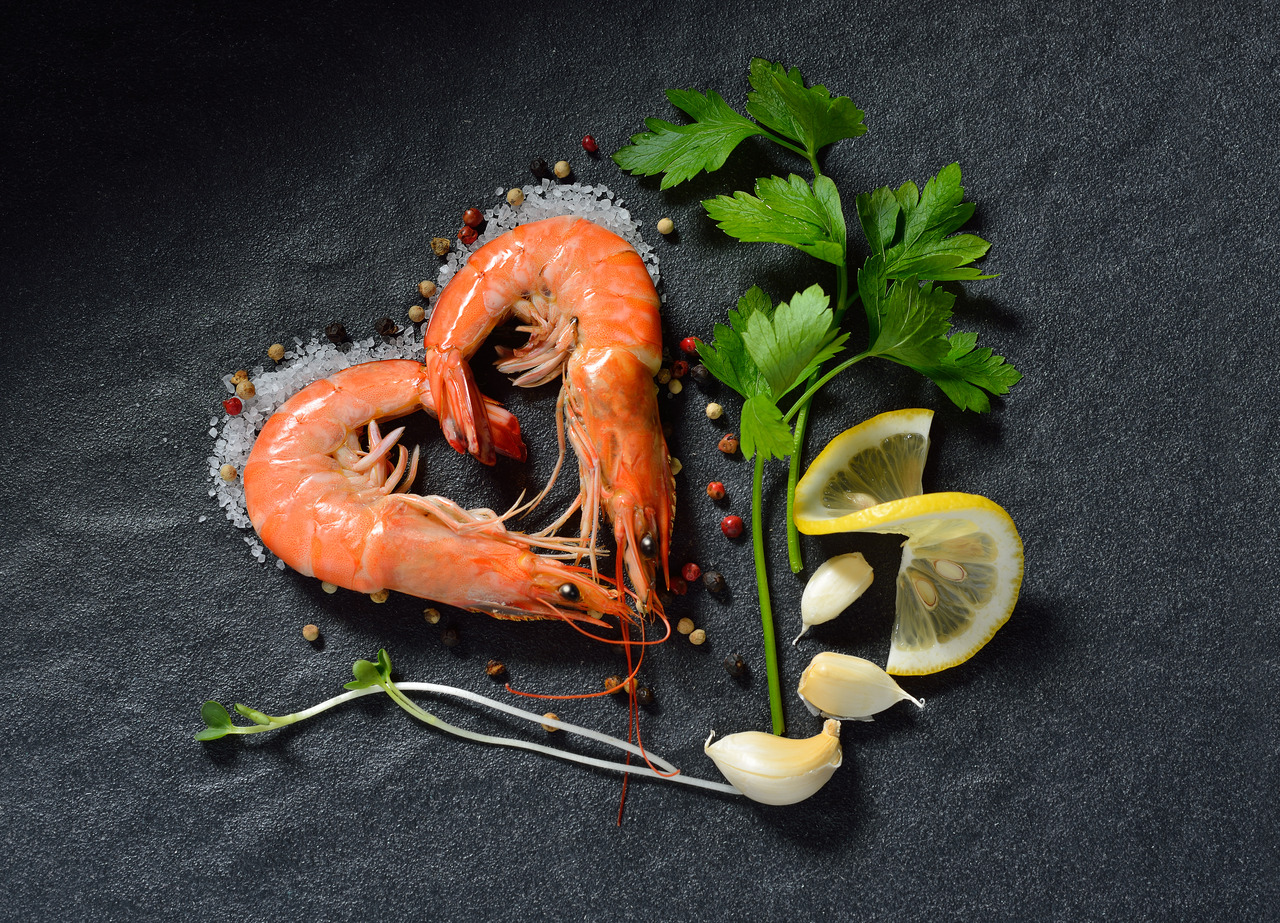
Prawns, with their succulent flesh and delicate flavour, have long been a popular seafood choice for many culinary enthusiasts around the world. These crustaceans, often confused with their close relatives, shrimp, offer more than just gastronomic pleasure. Prawns, scientifically known as decapod crustaceans, belong to the same family as lobsters and crabs. They are characterised by their long bodies, muscular tails, and distinctive taste. While prawns and shrimp are often used interchangeably, prawns tend to have a larger size and sweeter flavour. Here’s an article to help you understand the differences and similarities better- Prawn vs Shrimp: A Shell-fish Duel.
Within the tender flesh of prawns lies an impressive array of essential nutrients, making them a valuable addition to a balanced diet. By understanding the nutritional benefits of prawns, you can make informed choices about incorporating this delectable seafood into your diet. In this article, we will explore the macronutrient and micronutrient composition of prawns, examine their potential health benefits, discuss cooking and preparation methods to retain their nutritional value and address potential risks and considerations associated with their consumption.
Nutritional Profile Of Prawns
Prawns are not only prized for their taste and versatility in cooking but also for their impressive nutritional composition. They are packed with essential nutrients that contribute to overall health and well-being. Here is an overview of the macronutrients and micronutrients found in prawns:
Macronutrients
Protein: Prawns are an excellent source of high-quality protein. 85 grams serving of cooked prawns can contain around 18-20 grams of protein, making it a protein-rich option.
Fat: Prawns are relatively low in fat compared to some other seafood options. They contain a small amount of fat, primarily in the form of healthy unsaturated fats. The fat content can vary depending on the species and cooking method.
Carbohydrates: Prawns are naturally low in carbohydrates. They contain minimal amounts of carbs and are therefore suitable for low-carb or ketogenic diets. This makes them an ideal choice for those aiming to limit their carbohydrate intake.
Micronutrients
Omega-3 Fatty Acids: Prawns are a notable source of omega-3 fatty acids, including eicosapentaenoic acid (EPA) and docosahexaenoic acid (DHA). These essential fatty acids are known for their heart-healthy benefits, supporting brain function, reducing inflammation, and promoting overall well-being.
Vitamins: Prawns contain several essential vitamins, including vitamin D, vitamin B12, and vitamin E. Vitamin D plays a vital role in bone health, immune function, and calcium absorption. Vitamin B12 is necessary for red blood cell production and nerve function. Vitamin E acts as an antioxidant, protecting cells from damage caused by free radicals.
Minerals: Prawns are a good source of various minerals, such as iron, zinc, and selenium. Iron is essential for oxygen transport, while zinc supports immune function and cellular metabolism.
Antioxidants: Prawns contain natural antioxidants, including astaxanthin, which gives them their pinkish colour. Astaxanthin is a potent antioxidant that provides numerous health benefits, including protection against oxidative stress and inflammation.
Health Benefits Of Consuming Prawns
High-Quality Protein Source
Prawns are an excellent source of protein, containing all the essential amino acids required by the body. Protein is vital for various physiological functions, including muscle growth, repair, and maintenance. As per research, adequate protein intake from sources like prawns helps support the development and preservation of lean muscle mass.
Heart Health
Prawns are low in saturated fat and cholesterol, making them a heart-healthy food choice. The presence of omega-3 fatty acids, particularly EPA (eicosapentaenoic acid) and DHA (docosahexaenoic acid), in prawns further contributes to heart health. Omega-3s have been extensively studied and shown to reduce triglyceride levels, lower blood pressure, improve blood vessel function, and reduce the risk of cardiovascular diseases such as coronary artery disease and stroke.
Brain Function
The omega-3 fatty acids EPA and DHA found in prawns are crucial for brain health and optimal cognitive function. DHA, in particular, is a major structural component of brain tissue and plays a vital role in the development and function of the brain throughout all stages of life. Research shows that is associated with improved cognitive performance, memory, and reduced risk of age-related cognitive decline and neurodegenerative diseases.
Improved Mood and Mental Well-being
Omega-3 fatty acids, particularly EPA and DHA, found in prawns have been linked to improved mood and mental well-being. They play a role in the structure and function of brain cells, including neurotransmitter production and signalling. Research suggests that adequate intake of omega-3 fatty acids may help reduce symptoms of depression, anxiety, and mood disorders, as well as promote overall mental health.
Eye Health
Prawns contain the antioxidant astaxanthin, which provides several benefits for eye health. Astaxanthin belongs to the carotenoid family and has been proven by scientific studies to protect the eyes from oxidative stress and inflammation caused by free radicals. It helps reduce the risk of age-related macular degeneration (AMD), a leading cause of vision loss in older adults and supports overall eye health and visual acuity.
Nutrient Density
Prawns are a nutrient-dense food, meaning they contain a variety of essential vitamins and minerals necessary for optimal health. They are a good source of vitamin B12, which is essential for the production of red blood cells and proper nerve function. Prawns also provide vitamin D, a nutrient involved in calcium absorption and bone health, as well as vitamin E, an antioxidant that helps protect cells from damage. In terms of minerals, prawns are rich in iron. Research indicates iron is crucial for oxygen transport and energy production, and zinc, which supports immune function, wound healing, and DNA synthesis.
Weight Management
Prawns are relatively low in calories and fat while being high in protein. This nutrient composition makes them a favourable choice for weight management and maintaining healthy body weight. Research shows that protein is known to increase satiety and reduce appetite, helping control calorie intake and promote feelings of fullness. Including prawns in a balanced diet can support weight loss or weight maintenance goals.
Fertility and Reproductive Health
Prawns are a rich source of several nutrients that support fertility and reproductive health. Research indicates that omega-3 fatty acids EPA and DHA, along with zinc, vitamin E, and selenium found in prawns, are important for sperm production, quality, and motility in males. According to studies, these nutrients support hormonal balance, menstrual health, and fetal development during pregnancy in females.
Summary
Prawns offer numerous health benefits, including being a high-quality protein source that supports muscle growth and maintenance. They promote heart health due to their low saturated fat and cholesterol content, along with omega-3 fatty acids that reduce the risk of cardiovascular diseases. Prawns containing omega-3 fatty acids contribute to brain function, improving cognitive performance and reducing the risk of cognitive decline. They also support mood and mental well-being. The antioxidant astaxanthin in prawns benefits eye health, protecting against age-related macular degeneration. Prawns are nutrient-dense, providing essential vitamins and minerals for overall health. They aid weight management, support fertility and reproductive health in both males and females.
Cooking and Preparing Prawns for Maximum Nutrient Retention
To maximize the retention of their valuable nutrients during the cooking process, it is essential to employ suitable cooking and preparation methods for prawns. Here are some tips to help you preserve the nutritional value of prawns:
Opt for Gentle Cooking Methods: Prawns are delicate and cook quickly, so it’s best to use gentle cooking methods that preserve their nutrients. Steaming, poaching, and grilling are excellent options as they require shorter cooking times and help retain more of the prawns’ natural flavours and nutrients. High heat and deep-frying methods can cause the oxidation of omega-3 fatty acids present in prawns, leading to potential nutrient loss. It’s advisable to avoid deep-frying or subjecting prawns to prolonged exposure to high heat.
Limit Cooking Time: Overcooking prawns can lead to nutrient loss, particularly water-soluble vitamins like vitamin C and B vitamins. Keep a close eye on the cooking process and avoid extended cooking times to prevent nutrient degradation.
Minimise Peeling Before Cooking: The shells of prawns offer protection during the cooking process and help retain their moisture and nutrients. Whenever possible, cook prawns with their shells intact, removing them only after cooking. This method helps preserve their flavour and nutrient content.
Consume the Cooking Liquids: When steaming or poaching prawns, save the cooking liquid as it contains valuable water-soluble nutrients that leach out during cooking. You can incorporate the cooking liquid into sauces, broths, or use it as a flavorful base for other dishes to ensure you benefit from all the nutrients.
Store and Handle Properly: To maintain the freshness and nutritional quality of prawns, it’s crucial to handle and store them correctly. Keep prawns refrigerated at temperatures below 40°F (4°C) and consume them within two days of purchase. Proper storage helps prevent nutrient degradation and ensures food safety.
Pair with Nutrient-Rich Ingredients: Enhance the nutritional value of your prawn dishes by pairing them with other nutrient-rich ingredients. Include a variety of vegetables, whole grains, herbs and spices in your recipes to boost the overall nutrient content of your meal.
Summary
To retain the maximum nutritional value of prawns during cooking and preparation, it is recommended to use gentle cooking methods such as steaming, poaching, or grilling. Overcooking should be avoided to prevent nutrient loss, especially water-soluble vitamins. High heat and excessive frying can lead to nutrient degradation, so it’s best to minimize their use. Keeping the shells on during cooking helps preserve flavour and nutrients. Additionally, storing and handling prawns properly, as well as pairing them with nutrient-rich ingredients, can enhance their overall nutritional value. By following these guidelines, you can enjoy prawns that are both delicious and packed with beneficial nutrients.
Precautions and Considerations
Cholesterol Content
Prawns contain cholesterol, so individuals with high cholesterol levels or certain medical conditions should consume them in moderation. It is advisable to consult with a healthcare professional to determine the appropriate intake based on individual health needs.
Sodium Content
Prawns naturally contain sodium, which can be a concern for individuals with high blood pressure or those following a low-sodium diet. It is important to be mindful of overall sodium intake and consider alternative seasonings and cooking methods to limit sodium content.
Mercury Content
Prawns generally have lower levels of mercury compared to larger predatory fish. However, it is still important to be mindful of mercury intake, especially for pregnant women, nursing mothers, and young children. These vulnerable populations should limit their consumption of prawns and other seafood known to have higher mercury levels.
Allergies and Sensitivities
Some individuals may have allergies or sensitivities to shellfish, including prawns. Allergic reactions to prawns can range from mild to severe, so it is crucial to be aware of any allergies and avoid prawn consumption if necessary. If you suspect an allergy or experience symptoms like difficulty breathing or swelling, seek immediate medical attention.
Summary
Precautions and considerations for prawn consumption include moderation for individuals with high cholesterol or certain medical conditions, being mindful of sodium intake for those with high blood pressure or on a low-sodium diet, limiting prawn consumption for vulnerable populations due to potential mercury content, and being aware of shellfish allergies or sensitivities. Seek medical attention for severe allergic reactions.
HealthifyMe Suggestion
Prawns are a great source of protein and for seafood enthusiasts, these are generally a staple. Eating prawns on a weekly basis is fine provided you don’t have any medical issues such as high cholesterol levels or high uric acids. Prawns have a high purine content and can aggravate uric acid levels in the body and can aggravate a condition known as gout. As always, moderation is key. So if you are healthy and wish to eat prawns, keep control on how many you eat at a time and don’t have them more than once or twice a week.
Conclusion
In conclusion, prawns are a nutritious seafood option that offers various health benefits. They are a rich source of high-quality protein, low in calories and fat, and provide essential vitamins and minerals. Prawns’ omega-3 fatty acids support heart health and cognitive function. However, it is important to consider precautions and considerations such as cholesterol and sodium content, mercury levels, allergies, and responsible sourcing. By making informed choices and incorporating prawns into a well-balanced diet, individuals can enjoy their nutritional advantages while prioritizing their overall health and well-being. Remember to consult healthcare professionals for personalised advice and recommendations.
Disclaimer: The purpose of this article is just to disperse knowledge and raise awareness. It does not intend to replace medical advice from professionals. For further information please contact our certified nutritionists Here
Frequently Asked Questions (FAQs)
Q. Are prawns good for health?
Yes, prawns can be a healthy food choice. They are a good source of high-quality protein, low in calories and fat, and rich in essential vitamins and minerals. Prawns also provide omega-3 fatty acids, which offer numerous health benefits.
Q. Can pregnant women eat prawns?
Pregnant women can safely consume prawns if they are cooked properly. However, it is recommended to consult with a healthcare professional to ensure it aligns with individual dietary needs and to consider any potential allergies or sensitivities.
Q. What is the difference between shrimp and prawns?
The terms “shrimp” and “prawns” are often used interchangeably in some regions, but there are slight differences. Generally, prawns are larger in size with longer legs and claws compared to shrimp. Taste and texture differences may also exist, but these can vary depending on geographical location and species.
Q. Are prawns good for weight loss?
Prawns can be beneficial for weight loss due to their low calorie and fat content, coupled with their high protein content. Protein helps promote satiety and can contribute to feelings of fullness, which may aid in weight management. However, it’s important to consider portion sizes and overall dietary balance.
Q. Do prawns have protein?
Yes, prawns are an excellent source of protein. They contain high-quality proteins that are essential for building and repairing tissues in the body. Consuming prawns can contribute to meeting your daily protein requirements.
Q. Are prawns healthier than fish?
Prawns and fish both offer various health benefits. While prawns are a good source of protein and other nutrients, different fish species may have unique nutritional profiles. It is advisable to include a variety of seafood in your diet to benefit from a range of nutrients.
Q. How often should you eat prawns?
The frequency of prawn consumption depends on individual dietary needs and preferences. Including prawns as part of a well-balanced diet is generally recommended, but it’s important to consider factors like overall calorie intake, personal health conditions, and the need for dietary variety. Consulting with a healthcare professional or registered dietitian can provide personalised recommendations.
Reference Links
- Dietary Protein and Muscle Mass: Translating Science to Application and Health Benefit: https://www.ncbi.nlm.nih.gov/pmc/articles/PMC6566799/
- Omega-3 Fatty Acids: An Essential Contribution: https://www.hsph.harvard.edu/nutritionsource/what-should-you-eat/fats-and-cholesterol/types-of-fat/omega-3-fats/
- Effects of Omega-3 Polyunsaturated Fatty Acids on Brain Functions: A Systematic Review: https://www.ncbi.nlm.nih.gov/pmc/articles/PMC9641984/
- Omega-3 fatty acids for mood disorders: https://www.health.harvard.edu/blog/omega-3-fatty-acids-for-mood-disorders-2018080314414
- Recent Advances and the Mechanism of Astaxanthin in Ophthalmological Diseases: https://www.ncbi.nlm.nih.gov/pmc/articles/PMC9142330/
- Review on iron and its importance for human health: https://www.ncbi.nlm.nih.gov/pmc/articles/PMC3999603/
- Clinical Evidence and Mechanisms of High-Protein Diet-Induced Weight Loss: https://www.ncbi.nlm.nih.gov/pmc/articles/PMC7539343/
- The Effect of Omega-3 Fatty Acids, EPA, and/or DHA on Male Infertility: A Systematic Review and Meta-analysis: https://pubmed.ncbi.nlm.nih.gov/29451828/
- Omega-3 Fatty Acids and Pregnancy: https://www.ncbi.nlm.nih.gov/pmc/articles/PMC3046737/
