

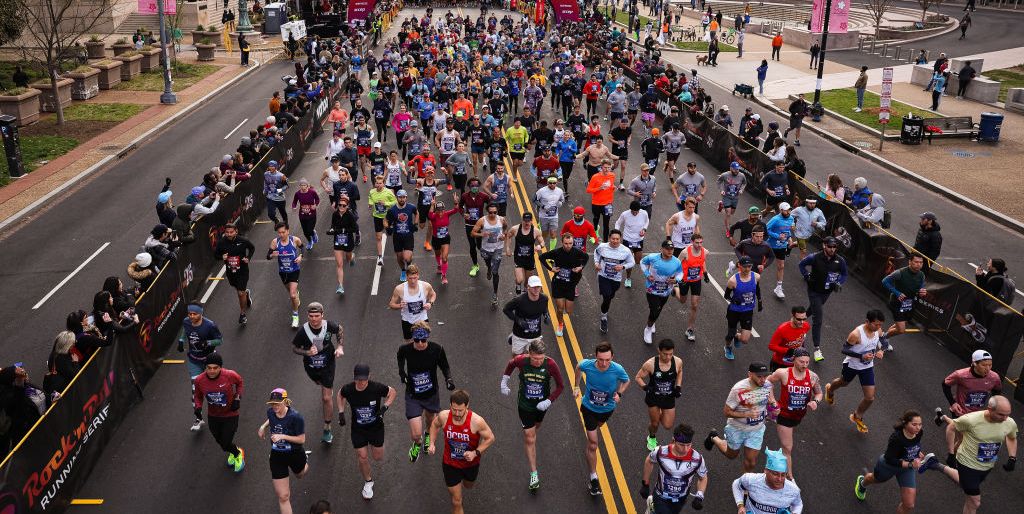
Training for a half marathon offers the perfect mix of challenge and celebration. You need to dedicate time to build up your endurance and strength, but doing so doesn’t take over your entire schedule—as long as you know how to train for a half marathon efficiently.
“Just about anyone can do a half marathon with the proper training,” says Mark Coogan, New Balance Boston Elite coach and former Olympic marathoner. “The key is preparing your body for the distance without overdoing it and causing injury.”
A lot of beginners end up falling on two ends of the training spectrum: They either commit to their half marathon training plan too much (ignoring their bodies and escalating an injury that could have been avoided) or they don’t commit enough, making race day feel super tough. If you find that sweet spot, the finish line will be in sight before you know it and you’ll enjoy each mile.
More From Runner’s World
To do that, follow our advice and tips on how to train for a half marathon, and you’ll to the end in one victorious piece—ready to celebrate your feat.
Runner’s World+ Half Marathon Training Plans
Our Runner’s World Half Marathon Training Plans are designed to help you crush your first race or finally break that time-based goal. These are our most popular plans, with each lasting 10 to 14 weeks long. Runner’s World+ members get access to these ultimate marathon training guides (along with half marathon, 10K, and 5K plans… plus other great membership perks!) when you sign up!
How should I train for my first half marathon?
The key to successful half marathon training is consistently putting in enough weekly mileage to get your body accustomed to running for long periods of time. Newer runners may start with logging 10 to 15 miles per week total and gradually building to a peak week of 25 to 30 miles. More experienced runners may start at 25 or more miles per week and peak at 40 or more miles.
Plan your race at least two months from now. “If you can run a 5K now, then you can run a half marathon in eight weeks,” Coogan says. “But the ideal plan is three to four months long, which gives you a buffer if you get sick, injured, or slammed at work.” Basically, plan for life to get in the way—as it so often does—so you don’t stress yourself out.
Can’t run a 5K just yet? Most beginner half marathon training plans start with a three-mile run in the first week, so you’ll want to work your way up to that first. “Lots of people run into problems like shin splints when they first start, so get past that point first,” Coogan says.
To build up, former Olympian, running coach, and author Jeff Galloway suggests running at least three times a week. “Weekday runs should average about 30 minutes,” he says. Then, you can work your way up to a three-mile run on the weekend.
The most important part of your training is a weekly long run at an easy “conversational” pace—meaning you can speak in full sentences throughout the run—that gradually increases in distance, week over week, to build your strength and endurance. If you gradually build to being comfortable on long runs of 10 or 11 miles, you’ll have what it takes to go 13.1 on race day.
Signed up for your half marathon already? Here’s when to start training for a fall race:
Fall Half Marathon Weekend → When to Start a 14-Week Plan → When to Start a 10-Week Plan
September 16-17 → June 11 → July 9
September 22-23 → June 18 → July 16
September 29-30 → June 25 → July 23
October 7-8 → July 2 → July 30
October 14-15 → July 9 → August 6
October 21-22 → July 16 → August 13
October 28-29 → July 23 → August 20
November 4-5 → July 30 → August 27
November 10-11 → August 6 → September 3
November 18-19 → August 13 → September 10
November 25-26 → August 20 → September 17
December 2-3 → August 27 → September 24
December 9-10 → September 3 → October 1
December 16-17 → September 10 → October 8
How do I choose the right half marathon training plan?
Once you’ve chosen your half marathon, it’s time to settle on your training plan. A solid half marathon training plan should have these four things: cross-training days, a long run that’s at least 10 miles, a rest day following your long run, and a taper.
“Cross-training allows you to work on your cardio without the constant pounding of running, long runs give you the confidence you need on race day, and rest days are crucial to recovery,” Coogan says. (More on the taper later.)
A lot of training plans leave the cross-training decision up to you, but Coogan suggests swimming, cycling, or using the elliptical or Stairmaster.
Also, there’s no need to worry about not hitting that 13.1 before the half marathon: “If you can run 10 miles, you can run 13 on race day,” Coogan says.
To help you get started, check out our half marathon training plans:
This plan spans 14 weeks and starts with a five-mile long run. You’ll run four days a week, take three rest days, and peak at 28 total miles in one week.
Lasting 10 weeks, this plan includes five days of running and two rest days or cross-training days. You’ll incorporate intervals into your schedule and peak at a 14-mile long run.
This 10-week plan also includes five days of running and two days of rest or cross-training. You’ll mix easy days, intervals, and tempo runs, and build up to your longest run of 16 miles.
You’ll start this more advanced plan at 10 miles for your long run, building up to 16-mile long runs, and incorporating tempo paces into those long runs. You’ll get two rest or cross-training days and mix in easy runs and intervals.
You can find the rest of our training plans, from running nonstop to breaking 3:00 in the marathon, here.
Should I add strength training to my half marathon training plan?
The short answer: Yes, absolutely incorporate strength training into your half marathon training. “Strength training is important for half marathon training because it helps prevent injury, improve running economy, increase power and speed, and promote better posture and form,” says Runner’s World run coach, Jess Movold. She recommends aiming for two strength training sessions per week.
Coach Jess advises prioritizing full-body strength workouts, particularly lower body and core strength. Why? “As a runner, you need upper body strength for good posture and arm swing, but it’s extremely important to incorporate movements like weight squats, deadlifts, split squats, and lunges to build power, strength, and durability,” she says.
A few of Coach Jess’s favorite strength movements for runners: back squats, front squats, and deadlifts. She advises performing one main lift per strength session, along with supporting strength work. This can include push-ups, step ups, or lateral lunges (to name a few examples).
“Finish off your strength session with a core blaster or a short push of bodyweight movements to add in a conditioning element focusing on explosiveness and higher intensity,” she adds.
What if I’m struggling with my half marathon training?
We’ve all had those days where the training doesn’t go as planned, or you just feel off. But if they’re happening more often than not, it might be time to reassess what’s going on. Coach Jess says to first make sure you’re prioritizing proper fueling, hydration, and sleep. Also, examine your easy days. Are you actually running at an easy effort? Can you slow it down more? Make sure you’re not running too hard on those days that should be light.
“Your training plan should have weeks with higher intensity or ‘peak’ weeks, and it should also have weeks with less volume and intensity, which is called a deload week. Be honest with yourself about your consistency in your training, have patience, and trust the process,” Coach Jess says.
Remember consistency is the key to success when it comes to running, but if you need an extra rest day, take it.
What should I wear for a half marathon?
Running may not always feel easy in the moment, but it’s one of the easiest sports to access. It’s cheap (once you swallow that race registration fee), you can do it anywhere, and it requires almost no equipment.
But as anyone who has run in poorly fitted shoes will tell you, gear still makes a huge difference. “Go to a specialty running shop that analyzes your form and helps you choose the best shoe for you,” Coogan says.
Keep in mind that your friend’s favorite might not be your favorite. Some people prefer to run as close to barefoot as possible in minimalist shoes, while others like extra-cushioned shoes that resemble Spice Girl platforms. Allow yourself to find the best running shoe for you.
You’ll also want to test every pair of leggings, headphones, and socks before race day—the last thing you want is an unexpected tag scratching your lower-back for two-plus hours, or socks that fall down every four seconds. Never race in something you’ve never worn before.
Race Day Essentials


SPIbelt Original Running Belt


What should I eat during a half marathon?
Don’t experiment with new energy gels, caffeine, or breakfast foods on race day. Your training runs are just as much about preparing your body as they are about finding the fuel and gear that work well for you. Load up on caffeinated gels without testing them first, and you could end up spending more time in the porta-potty than planned.
The best way to eat during training: Experiment with different breakfast options, then aim to consume about 30 to 60 grams of carbs per hour while you’re running. Your on-the-run fuel should come from sources that are easy to eat, digest, and carry.
Practice when and what you’ll eat during your long training runs so you can see what works best for you. Some people prefer gels versus gummies and eating every three miles versus 45 minutes. It takes some trial and error to find out what works best for you.
4 Great Energy Gels for Long Runs
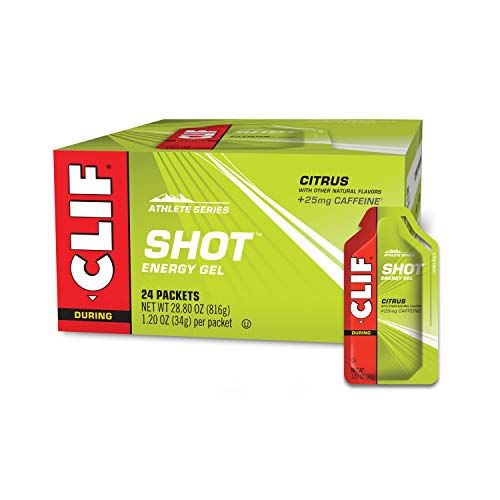
A quick hit of caffeine for when you need it most.

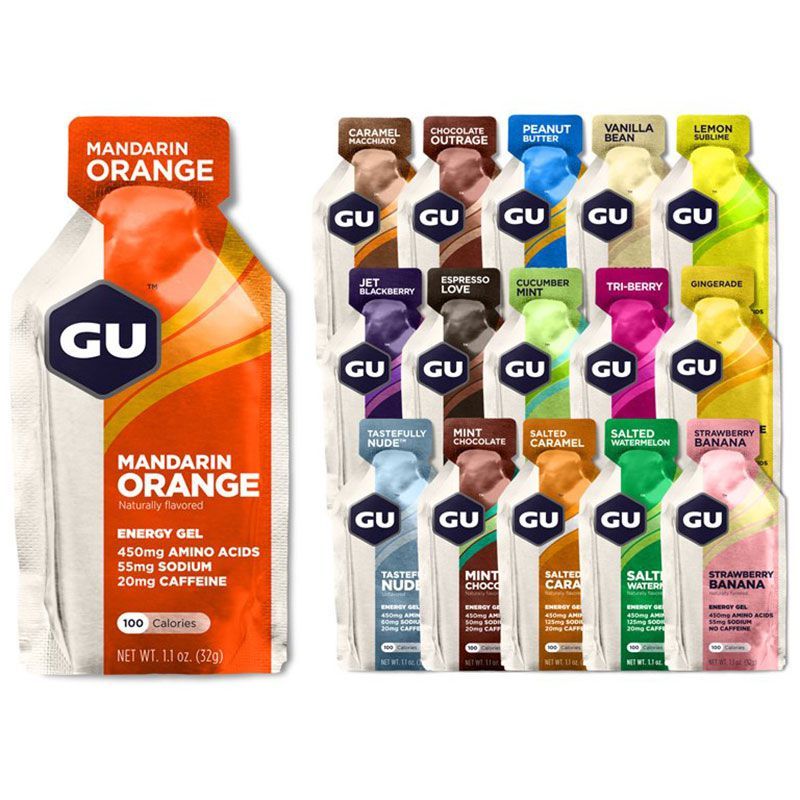
A wide variety of flavors keeps your palette happy.

Honey Stinger Organic Fruit Smoothie Energy Gel
Now 20% Off
Organic, gluten- and caffeine-free ingredients you can actually pronounce.
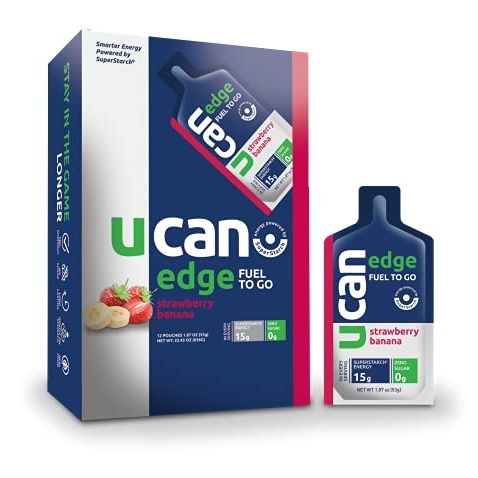
This gel can be easier on the stomach.
How much should I drink during a half marathon?
You need to drink enough before, during, and after your run to perform your best. Indeed, just two percent dehydration can slow you down. It’s especially important to stay on top of hydration during warm summer months, when you sweat more.
While some experts recommend you stay hydrated by simply drinking when thirsty, others suggest you develop a customized plan by performing a sweat test—that is, weighing yourself before and after exercise. Any weight loss corresponds with fluid loss, so try to drink enough to replenish that weight.
Before you run, you should have six to eight ounces of water, sports drink, or even coffee. While you are running, you should aim to take in three to six ounces every 15 to 20 minutes. Water is usually fine for runs in the 30- to 60-minute range. For runs longer than that, you should consider a sports drink with carbs and electrolytes to replenish sodium and energy.
How do I avoid injury while training for a half marathon?
Committing to your training plan is important, but it’s not more important than avoiding injury. “Most injuries can be addressed quickly early on, but in order to do that you need to be honest with yourself if something hurts,” Coogan says.
Ultimately, missing one workout won’t ruin your race. What will? Being sidelined for a month because you ignored an injury that got worse. If you happen to get an ache or pain close to the start of your race, consider your options—and consult your doctor—before deciding to run or rest.
How do I prepare for the long runs on a half marathon training plan?
The long run, usually on Saturday or Sunday, is arguably the most important part of any half-marathon training plan. (Coogan suggests Saturday, so you can rest on Sunday, but that depends on the type of work you do and your schedule.) Everything you’re doing earlier in the week—speedwork, cross-training, hill repeats—is designed to prepare you for this long run (no pressure!).
If you can, choose a route similar to the race you’ll be running. This won’t always be possible if you’re doing a destination race, but don’t hit the treadmill for every single run. Yes, even if it’s raining. “You need to make sure you have the right gear (and mindset) for any conditions you might encounter on race day,” Coogan says.
And don’t underestimate the importance of pacing: “The most common mistake runners make is going out too fast—then crashing and burning,” Galloway says. “If you’ve raced a couple of 5Ks, aim to run three to four minutes per mile slower on your long runs and on race day.”
Coach Jess also says your long run days are the time to get familiar with fueling for the actual race day. “Practice your prerace meal on every single long run morning so that it’s programmed into your mind and body and your prerace morning has become a habit and something you have successfully figured out,” she says. Then, come race day, you know what to do.
When and why should I taper before a half marathon?
A taper will be part of any solid training plan, but it’s worth explaining why it’s important.
“Typically, most runners taper for about two weeks when it comes to a half marathon,” says Coach Jess. This time gives your body a chance to recover from the 10-plus weeks of hard training and stress.
Your last hard workout should be about 10 days prior to the race, and your final long run should be slightly shorter than the previous week, with no hard effort or pace goals, says Coach Jess. The day before the race, keep your run super easy and simple—no more than 25 to 30 minutes, she adds.
Don’t worry, after months of increasing your mileage every week, your body will thank you for the rest period—and you’ll feel as fresh as ever on race day.
How should I prepare for half marathon race day?
First, set your alarm a little earlier so don’t feel rushed come race morning. Coach Jess advises waking up 20 minutes earlier than you think you need and using the extra time to calm your mind, breath, and meditate and visualize a smooth race and a strong finish.
You’ll also want to do your homework prior to race morning. “Study the race morning logistics, including bag drop, bathrooms, and corral closings so you stay relaxed and calm and avoid any surprises or stress on the morning of your race,” says Coach Jess.
She also offers this tip: Wear layers that you plan to donate so you arrive to the race feeling warm and comfortable, and then you can shed the layers in a donate bin as you approach your starting time.
Kiera Carter has a decade’s worth of experience covering fitness, health, and lifestyle topics for national magazines and websites. In a past life, she was the executive digital editor of Shape and has held staff positions at Fit Pregnancy, Natural Health, Prevention, and Men’s Health. Her work has been published by Marie Claire, Cosmopolitan, Travel + Leisure, and more. She spends her free time boxing, traveling, and watching any movie or show with a strong female lead. She is currently based in New York.
