

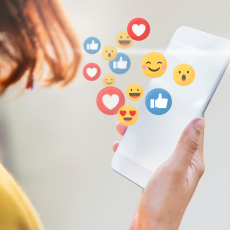
Social media has undoubtedly changed the way we connect, communicate, and engage with the world. It has transformed from a tool for sharing vacation photos to an all-encompassing platform where we manage relationships, create content, and connect with others. However, as much as social media has become an essential part of our daily lives, it has also brought new mental health challenges. These issues primarily stem from two factors: social media’s addictive nature and its ability to fuel social division (DeAndrea et al., 2012; Pantic, 2014).
A New Era of Connection: From MySpace to Today
Social media began with the goal of bringing people together. Early platforms like MySpace allowed users to curate pages with wallpapers, music, and a top eight friends list. This enabled public expressions of our personalities, likes, dislikes, and connections. Fast forward to today, social media has become an even greater force in our lives. Whether sharing a reel or posting updates, its core functions—connection, self-expression, and relationship building—remain unchanged. With nearly everyone using these platforms, their massive reach is undeniable. However, this influence has led to rising mental health concerns, primarily due to social media’s addictive nature and its role in creating social division (DeAndrea et al., 2012; Pantic, 2014).
One of the most significant ways social media affects our mental health is through its addictive qualities. Just like a substance addiction, social media can trigger a dopamine feedback loop that encourages compulsive use (Pantic, 2014). Dopamine, often referred to as the “feel-good” neurotransmitter, is released when we experience pleasure or anticipate a reward. Social media platforms are designed to trigger dopamine production by providing users with content that engages them (Pantic, 2014). When we receive likes, comments, or new notifications, our brains get a burst of dopamine, creating a sense of satisfaction. This mechanism drives us to keep scrolling, seeking more rewards, and in turn, we can become addicted to the constant stream of content. Social media algorithms are tailored to show us content we are likely to engage with, which keeps us hooked (Przybylski & Weinstein, 2017). This content is often designed to trigger an emotional response—be it humor, surprise, anger, or awe. The more time we spend on these platforms, the more content we are exposed to, and the more our brains crave that next dopamine hit. This cycle of “doom scrolling” can quickly become a habit, just like any other addictive behavior, and it’s one that’s hard to break. This endless cycle of content consumption is also driven by businesses that use these platforms to market their products. Companies have learned that engaging content keeps users on the platform longer, so they invest in creating compelling, attention-grabbing content to sell their products. Similarly, individuals looking to build an online following, such as influencers, also create engaging content to attract likes and shares. The result is a constant feed of captivating posts, videos, and advertisements that activate our brain’s reward system, reinforcing the habit of staying glued to our screens (Pantic, 2014; Przybylski & Weinstein, 2017).
Social Media and Social Division: The Dangers of Echo Chambers
While social media can connect us with others, it also has a dark side—it can fuel social division. One of the core features of social media is the ability to share perspectives, opinions, and ideas. But as perspectives clash, they create tension and division. The diversity of opinions on platforms like Twitter or Instagram, where anyone can voice their thoughts, often leads to polarized debates (Pantic, 2014). This is especially true when celebrities, politicians, or public figures share their views—there is always a counterargument or group of people who disagree. On social media, these disagreements don’t remain contained between two individuals. Instead, they have the potential to go viral. The comment section of a post can quickly turn into a battleground of conflicting opinions, with each side trying to convince the other of their truth. This division is exacerbated by the algorithmic design of social media, which reinforces the exposure to ideas that align with our pre-existing beliefs (Przybylski & Weinstein, 2017). When we engage with certain types of content, the platform learns what interests us and continues to show us similar content, creating an echo chamber. This reinforces our biases and makes us less likely to see diverse perspectives. As tribal creatures, we tend to gravitate toward groups that share our values and beliefs. These virtual tribes then reinforce our perspectives, making it even more difficult to have a balanced, civil discussion. This can lead to a breakdown in empathy and understanding, turning social media into a platform for ideological wars rather than meaningful dialogue (Pantic, 2014).
How to Combat the Negative Effects of Social Media
So, what can we do to prevent these mental health issues caused by social media’s addictive and divisive nature? The first step is awareness. Understanding how these platforms work and how they affect our brains is essential for making conscious decisions about our usage (Pantic, 2014).
- Set Boundaries and Limit Screen Time: One of the most effective ways to curb the addictive nature of social media is to set strict boundaries. This can include using built-in tools on your phone or apps that track and limit your screen time. For example, Instagram and Facebook allow you to set daily time limits, which can help you be more mindful of how much time you’re spending on these platforms.
- Curate Your Feed: To combat social division, it’s important to diversify your feed. Follow accounts with different perspectives, and engage with content that challenges your viewpoints. This can help you develop a more balanced and open-minded approach to the information you consume.
- Take Social Media Breaks: Regularly stepping away from social media can help reset your brain’s reward system and reduce the feelings of anxiety or comparison that often accompany overuse. Consider taking a digital detox for a weekend or a week to help reset your relationship with social media.
- Be Mindful of Your Mental Health: Pay attention to how you feel after using social media. If you notice unsettling feelings, take a break and check in with your mental health. It may be helpful to practice mindfulness or engage in self-care activities to manage emotions.
Final Thoughts
Social media is a powerful tool that can help us connect with others and express ourselves. However, its addictive nature and tendency to fuel division can have significant consequences for our mental health (Pantic, 2014; Przybylski & Weinstein, 2017). By setting boundaries, diversifying our feeds, and practicing empathy, we can use social media in a way that promotes well-being rather than detracts from it.
References
DeAndrea, D. C., et al. (2012). Reputation, relationships, and social networks: A study of the relationships between social media and well-being. Journal of Social and Personal Relationships, 29(3), 456–475.
Pantic, I. (2014). Online social networking and mental health. Cyberpsychology, Behavior, and Social Networking, 17(10), 652–657.
Przybylski, A. K., & Weinstein, N. (2017). Can you connect with me now? How the presence of mobile communication technology influences face-to-face conversation quality. Journal of Social and Personal Relationships, 34(1), 39–56.

The preceding article was solely written by the author named above. Any views and opinions expressed are not necessarily shared by GoodTherapy.org. Questions or concerns about the preceding article can be directed to the author or posted as a comment below.
