

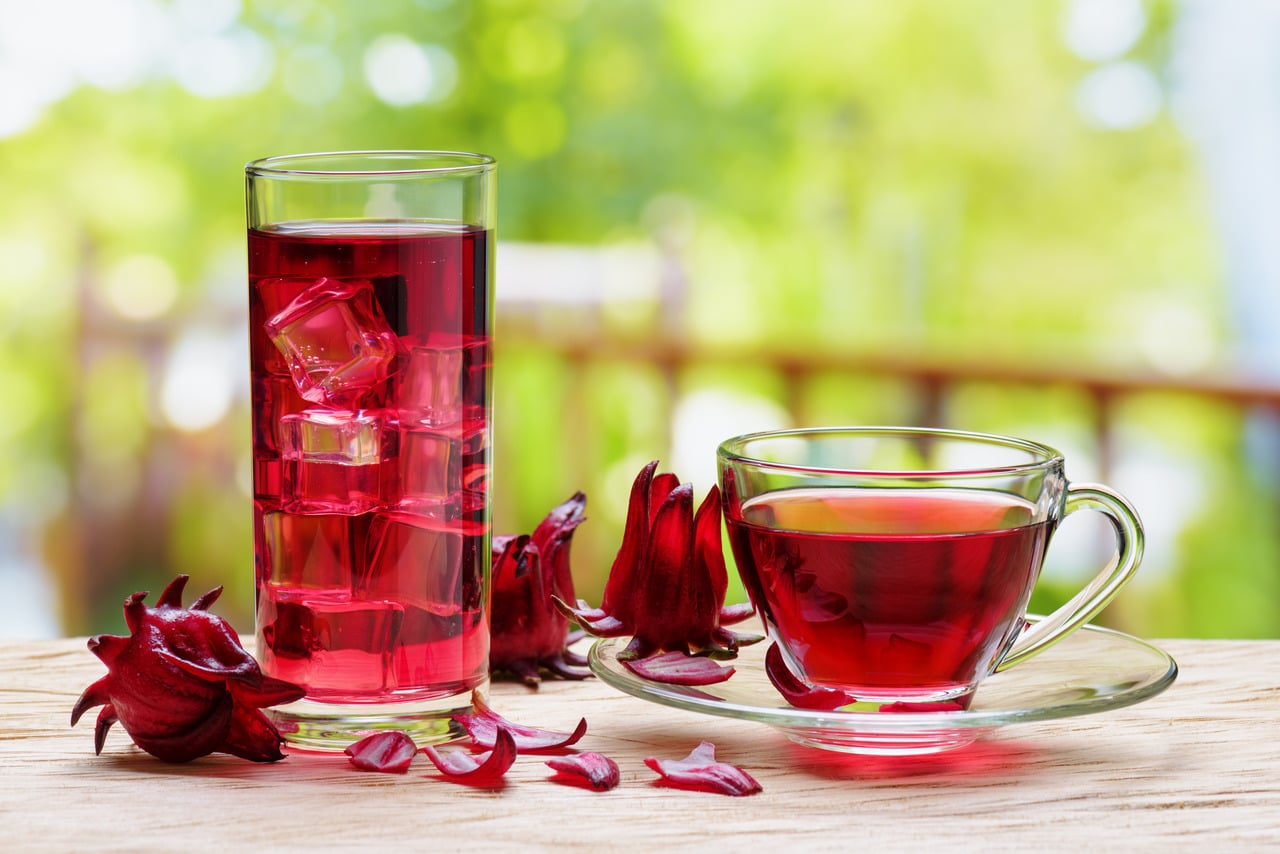
Hibiscus or ‘roselle’ or ‘red sorrel,’ has been a part of traditional medicine for centuries. Hibiscus is rich in antioxidants and grows in several warm countries like India, Mexico, Sudan, Thailand, Egypt, and China. People have used various parts of hibiscus plants, like seeds, flowers, leaves, and stems, for multiple purposes worldwide. It promotes weight loss, is anti-bacterial, prevents cancer, and supports the health of the heart and liver. Presently, hibiscus is available in several varieties, like jams, jellies, sauces, syrups, and teas worldwide.
Hibiscus is available as an extract or, more often, a tea. There are several hundred species of hibiscus, but ‘Hibiscus sabdariffa’ is most commonly used to make hibiscus tea. It belongs to the family Malvaceae. Hibiscus tea, ‘sorrel tea,’ or ‘sour tea,’ is an herbal tea made from dried calyces of the hibiscus plant in boiling water and is deep red. Hibiscus tea is naturally calorie and caffeine-free herbal tea that tastes like berries with a sweet, refreshing, and tangy flavour. Ruby red hibiscus tea is an alternative to regular tea and coffee that many enjoy hot or iced.
Nutritional Value of Hibiscus Tea
Hibiscus tea comes in various forms, making it versatile for consumption. There are different options for preparation and consumption, catering to individual preferences. People can find it as:
- Single tea bags
- Ready-to-drink tea
- Loose flower petals
- Liquid extract
- Encapsulated powder
The nutritional value of 100 g of brewed hibiscus tea is as follows:
- Water: 99.6 g
- Iron: 0.08 mg
- Magnesium: 3 mg
- Potassium: 20 mg
- Choline: 0.4 mg
- Calcium: 8 mg
- Phosphorus: 1 mg
- Manganese: 0.477 mg
- Sodium: 4 mg
- Vitamin B3 (niacin): 0.04 mg
- Vitamin B9 (Folate): 1 µg
How to Make Hibiscus Tea?
Hot Hibiscus Tea
Servings: 1
Ingredients
- Hibiscus tea bags or dried hibiscus flowers: 1-2 bags or 1-2 tsp
- Boiling water: 150 ml
- Optional: Cinnamon or ginger for added flavour
Method of Preparation
- Boil water until it reaches a rolling boil.
- Place 1-2 hibiscus tea bags or 1-2 teaspoons of dried hibiscus flowers in a teapot or heatproof container.
- Carefully pour 1 cup of boiling water over the hibiscus.
- Cover the teapot or container and let the hibiscus steep for about 5-7 minutes or until the desired strength is achieved.
- You can also add cinnamon or ginger for extra flavour.
- Strain the tea into a cup or mug to remove the hibiscus solids.
- Sip and enjoy your hot hibiscus tea!
Iced Hibiscus Tea
Servings: 1
Ingredients
- Hibiscus tea bags or dried hibiscus flowers: 2 bags or 2 tbsp
- Boiling water: 300 ml
- Optional: Lemon slices or mint leaves for flavour
- Ice cubes
Method of Preparation
- Boil water until it reaches a rolling boil.
- Place 2 hibiscus tea bags or two tablespoons of dried hibiscus flowers in a heatproof pitcher or container.
- Carefully pour boiling water over the hibiscus.
- Cover the pitcher or container and let the hibiscus steep for about 5-7 minutes or until the tea is sufficiently strong.
- Allow the hibiscus tea to cool to room temperature, then refrigerate it until it’s cold.
- Before serving, add ice cubes to a glass and pour the chilled hibiscus tea over the ice.
- You can also add lemon slices or fresh mint leaves for added flavour and garnish.
- Sip and enjoy your refreshing iced hibiscus tea!
11 Benefits of Hibiscus Tea
Rich in Antioxidants
While the human body produces antioxidants naturally, adding antioxidant-rich foods like hibiscus tea can provide additional support. Hibiscus is rich in antioxidants like beta-carotene, vitamin C, and anthocyanin. These antioxidants combat the build-up of free radicals in the body, reducing the risk of diseases like cancer, diabetes, and heart issues. Hibiscus extract also reduces oxidative stress and increases antioxidant levels in the blood. That means it can prevent issues that can originate due to the presence of oxidative stress, including cancer.
Help in Lowering Blood Pressure
Hibiscus tea has gained fame for its ability to lower blood pressure. High blood pressure can lead to various issues like heart disease, stroke, and kidney problems. Hibiscus tea helps reduce both systolic and diastolic blood pressure. It means that it prevents the occurrence of irregular blood pressure levels. While it may not replace high blood pressure medications, it can be a valuable addition to a heart-healthy diet.
Those on high blood pressure medication should consult a doctor before adding hibiscus tea to their daily routine. That will help avoid any medication interactions.
Improve Cholesterol Levels
Maintaining an ideal cholesterol level is crucial for a healthy heart since high cholesterol results in several severe diseases like diabetes, heart attack and stroke. Hibiscus may help maintain healthy cholesterol levels. It helps in increasing “good” HDL cholesterol and decreasing “bad” LDL Cholesterol and triglycerides. However, the results are vague, and more research is needed to be sure of these effects.
Aid in Weight Management
If someone wants to shed a few pounds, hibiscus tea might be a helpful addition to their routine. Several studies of hibiscus tea have shown promise in weight management and protection against obesity. It could lead to weight loss, reduced body fat, and improved body mass index. However, these studies have used concentrated doses, so more research is required to establish the benefits of hibiscus tea for weight management.`
Additionally, it may have a mild diuretic effect, which can lead to temporary weight loss through water loss. While hibiscus tea can be a healthy beverage choice as part of a balanced diet and active lifestyle, it is not a miracle weight loss solution.
Lowering Blood Sugar Levels
Preliminary research suggests hibiscus tea is rich in polyphenols that help reduce blood sugar levels and manage diabetes by inhibiting enzymes such as α-glucosidase and α-amylase. These enzymes are responsible for digesting carbohydrates and increasing blood sugar levels. However, more human studies are needed to confirm these effects. If someone has concerns about their blood sugar levels, it is better to monitor them regularly and consult a doctor.
Reducing Inflammation
Hibiscus has anti-inflammatory effects. These effects could be due to compounds like saponins, flavonoids, and plant sterols. Moreover, hibiscus tea may inhibit cyclooxygenase, an enzyme that elevates the levels of prostaglandins (lipids responsible for inflammation). While findings are promising, more research is needed to understand how hibiscus tea may impact human inflammation.
Promote Easy Digestion
Hibiscus tea acts as a natural diuretic. It helps to pull salt out of the body and can be used to treat constipation and improve the health of the gastrointestinal system. It is known to improve digestion as it regularises bowel movement and prevents constipation. Hibiscus tea is like drinking sugar-free and caffeine-free flavoured water, which will keep people hydrated.
Boost Immune System
One of the most important benefits of this pink tea (hibiscus tea) is its ability to boost the immune system. It is because hibiscus tea is rich in ascorbic acid (vitamin C), a potent antioxidant responsible for keeping the immune system healthy. Hibiscus tea is also rich in iron, a mineral that helps balance the immune system and helps the body maintain the red blood cells (RBCs). Moreover, hibiscus tea is renowned for its anti-inflammatory and anti-bacterial properties that will also work as an immunity booster.
Helpful for Skin Care and Anti-ageing
Hibiscus tea provides vitamin C, which benefits the skin. It promotes the production of collagen in the body. It is also a good source of an antioxidant called myricetin that helps reduce collagen breakdown. Moreover, hibiscus tea contains an antioxidative called anthocyanin, which helps reduce oxidative stress. Thus, it will also slow down the signs of skin ageing and is a great way to detoxify the body.
Promotes Hair Health
Hibiscus tea contains antioxidants, helping in producing melanin. It is the pigment which is responsible for giving a natural hair colour. It prevents premature grey hairs. As aforementioned, hibiscus tea is an excellent source of vitamin C, helping increase collagen production and thus promoting hair growth. Moreover, amino acids in this tea also generate more red blood cells in the body. It will benefit the hair roots by promoting healthy blood circulation.
Depression and Anxiety
Depression and anxiety are psychological problems which can cause various physical and emotional symptoms. Hibiscus tea is a great way to improve mental health and support the nervous system. It contains substances like flavonoids, anthocyanins, and anthocyanidins that could help with depression. However, more research is required to claim these effects on humans.
Summary
Hibiscus is an excellent source of antioxidants, including—beta-carotene, vitamin C, and anthocyanin. They offer protection against several diseases like cancer and diabetes. However, further research is needed to understand its full impact on human health. Hibiscus tea can contribute to lower systolic and diastolic blood pressure. It also improves cholesterol levels by increasing “good” cholesterol and decreasing “bad” cholesterol and triglycerides. However, it is not a substitute for prescribed medications. Hibiscus extract may contribute to weight management and body fat, but more studies must confirm its effectiveness in tea form. Hibiscus tea contains polyphenols. It regulates blood sugar levels, making hibiscus tea a potential aid in managing diabetes. Hibiscus tea has anti-inflammatory effects due to the presence of compounds like saponins, flavonoids, and plant sterols. It is a natural diuretic and helps in digestion by regulating bowel movement and preventing constipation. Hibiscus tea’s vitamin C content promotes collagen production. It helps in reducing signs of skin ageing and detoxifying the body. Hibiscus tea contains flavonoids and anthocyanins. They may help in mental health by potentially alleviating symptoms of depression.
Risks and Precautions of Hibiscus Tea
While hibiscus tea offers many benefits, one must still be aware of potential risks and precautions. Here is what people need to know:
Allergies
If someone is allergic to hibiscus, it is best to avoid hibiscus tea. The allergic reactions might range from mild discomfort to severe health hazards.
Medication Interactions
Hibiscus tea can interact with certain medications, potentially reducing their effectiveness. It is crucial to be cautious if someone is taking medications for high blood pressure, diabetes, or birth control. Always consult a doctor if someone is taking these meds.
Pregnancy Concerns
Pregnant or breastfeeding women should exercise caution when it comes to hibiscus tea. The phytoestrogens in hibiscus may lead to complications during pregnancy, including the risk of triggering preterm labour.
Liver Damage
High concentrations of hibiscus extract might potentially harm the liver. Hibiscus contains compounds, such as anthocyanins and flavonoids, which, when taken in high concentrations, may overwhelm the liver’s detoxification processes. More research is needed to understand this risk fully.
Quality Control
Not all hibiscus varieties are suitable for consumption. If someone is using hibiscus products from their garden, start with small amounts to check for any adverse reactions.
Moderation is Key
Consuming hibiscus tea in moderation, typically 2 to 4 cups daily, is generally considered safe. However, excessive consumption can lead to toxicity.
Unregulated Products
Be cautious with hibiscus supplements, capsules, or extracts, as they may not always contain what they claim.
Summary
Hibiscus tea offers various health benefits but requires caution due to potential risks. Allergic individuals should avoid it, as it can lead to mild discomfort or severe reactions. Hibiscus may interact with medications like those for high blood pressure, diabetes, and birth control, potentially reducing their efficacy. Pregnant and breastfeeding women should be cautious due to potential complications. High hibiscus extract concentrations might harm the liver, and not all hibiscus varieties are safe for consumption. Moderation is advised, with 2 to 4 cups daily considered safe. Beware of unregulated hibiscus products and supplements, as their contents may not be accurate.
HealthifyMe Suggestion
I like hibiscus tea because of its peculiar sour taste. But, did you know it is even used to make food coloring? A 100% natural red food colour can be made by hibiscus flower.
It can be used to make icing. ice cream, beverages, etc.
This natural red colouring is heat stable, packed with potent antioxidants, and suitable for most baking applications. It is important to take caution not to overcook this colour and to chill the end product quickly.
The Final Word
Hibiscus tea is enjoyed by many for its potential health benefits, supported by both tradition and modern science. While research suggests its positive impact, caution is necessary due to potential risks, such as allergic reactions and liver damage in high doses. To harness its benefits safely, consulting a healthcare provider, mainly if you have underlying health conditions or are on medications, is advisable. Further research is essential to grasp hibiscus tea’s potential fully, making careful consideration vital for those incorporating it into their routine.
Disclaimer: The purpose of this article is just to disperse knowledge and raise awareness. It does not intend to replace medical advice from professionals.
Frequently Asked Questions
Q. What is hibiscus tea, and how is it made?
Hibiscus tea is an herbal tea made from dried calyces of the hibiscus plant, primarily hibiscus sabdariffa. It is prepared by steeping these dried calyces in boiling water, resulting in a deep red, naturally caffeine and calorie-free. It has a sweet, refreshing and tangy flavour.
Q. What are the potential benefits of drinking hibiscus tea?
Hibiscus tea is rich in antioxidants. These antioxidants help combat free radicals in the body. It results in reducing the risk of diseases like cancer, diabetes, and heart issues.
Q. Can hibiscus tea help lower blood pressure naturally?
Yes, hibiscus tea helps lower systolic and diastolic blood pressure. It makes hibiscus tea a valuable addition to a heart-healthy diet.
Q. Is there scientific evidence supporting the cholesterol-lowering effects of hibiscus tea?
Some studies suggest hibiscus tea improves cholesterol levels by increasing “good” HDL cholesterol and decreasing “bad” LDL cholesterol. However, further research is necessary for conclusive evidence.
Q. Does hibiscus tea aid in weight loss and metabolism?
Some studies suggest that hibiscus extract may help reduce body weight and body fat in animal models. Additionally, it may have a mild diuretic effect, which can lead to temporary weight loss through water loss. While hibiscus tea can be a healthy beverage choice as part of a balanced diet and active lifestyle, it is not a miracle weight loss solution.
Q. Can hibiscus tea improve digestion and alleviate stomach issues?
Hibiscus tea is a natural diuretic. It improves digestion by regularising bowel movements and preventing constipation. It also keeps the body hydrated.
Q. Can hibiscus tea help in managing diabetes?
Preliminary research suggests hibiscus tea is rich in polyphenols. It helps lower blood sugar levels and combat diabetes. However, more human studies are needed to confirm these effects.
Q. Can hibiscus tea boost the immune system?
Hibiscus tea is rich in ascorbic acid, which helps keep the immune system healthy. It also contains iron, balancing the immune system and aiding in the production of red blood cells.
Q. Are there potential benefits of hibiscus tea for hair health?
Hibiscus tea contains antioxidants that promote melanin production. It prevents premature grey hairs. It also supports hair growth by increasing collagen production and improving blood circulation in the scalp.
Q. Is hibiscus tea beneficial for skin health and anti-ageing?
Hibiscus tea is rich in vitamin C, which promotes collagen production. It also provides antioxidants that help reduce oxidative stress, potentially slowing down the signs of skin ageing.
Q. Does hibiscus tea have anti-inflammatory properties?
Hibiscus tea has anti-inflammatory effects due to compounds like saponins, flavonoids, and plant sterols. However, further research is required to understand its impact on human inflammation.
Q. Are there antioxidants in hibiscus tea, and what do they do for the body?
Hibiscus tea is rich in antioxidants like beta-carotene, vitamin C, and anthocyanin. They protect the body against free radicals and reduce the risk of various diseases.
Q. How does hibiscus tea compare to other herbal teas regarding health benefits?
A. Hibiscus tea stands out for its rich antioxidant content, benefiting overall health. However, individual preferences and health needs may vary, so it is crucial to opt for teas that align with specific health goals.
Q. Are there any known side effects or interactions associated with hibiscus tea consumption?
A. While hibiscus tea provides numerous benefits, it is essential to know potential side effects such as allergies, medication interactions and liver damage. People should consume it in moderation to avoid toxicity. Consulting a healthcare provider is advisable, especially if someone has underlying health conditions or is taking medications.
