

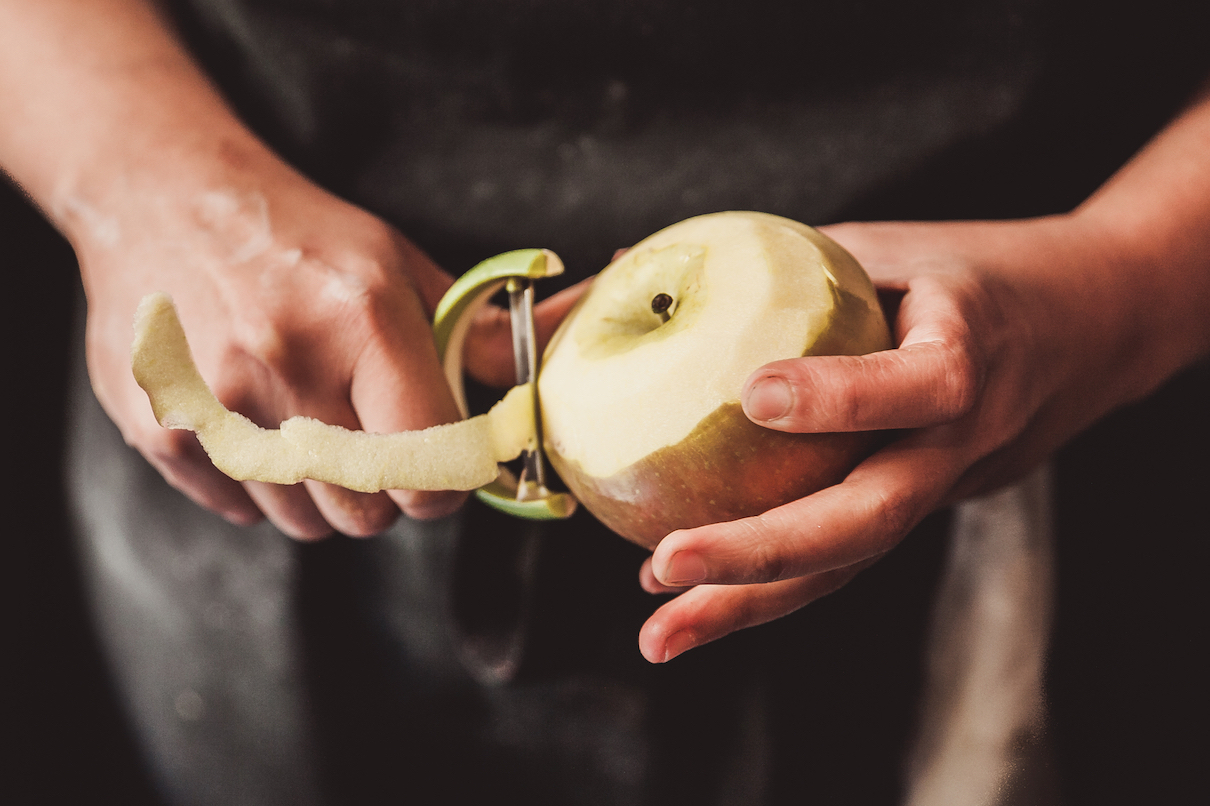
Think about the last time you grabbed an apple out of the fridge for an afternoon snack. Are you the type of person who bites into it right away? Or do you take it to the sink to soak or scrub it first? Do you remove the peel before slicing it? Perhaps you don’t think much about it.
We’re living in a time when making choices about food isn’t just about nutrition, but also sustainability, safety, and convenience. The decision of whether or not to remove the peel of your favorite produce before eating it has become a topic of debate.
Furthermore, a company called Apeel has created an extra layer of “skin” for produce that helps keep it fresh for longer. But does this add to the concerns about what’s on our fruits and veggies? According to social media posts that went viral earlier this year (and will probably circulate again), it does.

So, what’s the truth? Is Apeel safe? Should you strip the protective layers of nature’s bounty or embrace the skin and all its nutrients (and potential risks)? We’re diving into the question of whether to peel or not to peel, including how to spot Apeel on fruit and veggies and whether it’s worth worrying about.
What is Apeel on Fruit?
Apeel Edipeel is a plant-based coating that was created to lengthen the shelf life of fresh produce. It’s intended to keep moisture in and oxygen out to slow the ripening (and rotting) timeline. The company claims that it can keep produce fresh for twice as long as normal and reduce waste.
The coating is based on cutin, a waxy barrier against the elements made of fatty acids and naturally exists on fruits and vegetables. Apeel — made from purified monoglycerides and diglycerides — can either be used to spray or dip the plant in which helps it block elements that promote rotting.
Currently, Apeel is only approved for avocados, limes, mandarins, apples, and cucumbers that are available in select stores (like some Target, Safeway, and Costco locations). Produce that is coated in Apeel bears an oval-shaped, green and white sticker indicating such.
So, is Apeel Edipeel safe to consume? Well, if you were on social media in April of 2023, you may have noticed viral posts sharing a safety data sheet claiming that Apeel was hazardous and could cause serious damage to your health. But what people sharing the post didn’t realize was that the safety sheet wasn’t for Apeel Edipeel but for an unrelated cleaning product called Apeel.
The bottom line? Apeel Edipeel, the coating used on certain fresh produce to lengthen shelf life, has not been shown to be dangerous to your health. The ingredients, monoglycerides and diglycerides, fall in the category of Generally Recognized as Safe (GRAS) by the Food and Drug Administration (FDA). As of now, experts say that Apeel produce doesn’t seem concerning.
Now that we’ve got that sorted out, let’s move on to some of the other things to consider when it comes to our produce. First, what are the pros and cons of consuming fruits and veggies with the skin left on?
Pros of Consuming Produce Skin
The aversion to eating the peels of fruits and veggies often forms as a texture issue during childhood, but it can continue into our adult years out of habit. However, learning to leave the edible skin on certain types of produce can enhance the nutritional benefits we get from it.
Katie Schimmelpfenning, RD tells us, “Eating the skin of produce such as apples and potatoes not only boosts the nutrients you get from the food but the fiber too. Fiber from peels helps to promote fullness.”
Fiber is a critical nutrient for health that many American adults are lacking. In fact, surveys estimate that only 5% of us are meeting the minimum daily requirements for fiber — which is around 30 grams.

Schimmelpfenning explains that beyond fiber, produce skin is a rich source of vitamins, minerals, and antioxidants. She continues, “These can help to reduce inflammation and prevent diseases such as cancer and heart disease.”
In addition to the extra nutritional benefit of eating the skin, leaving it on can help reduce our household food waste and the overall environmental impact of our diet.
After all, a whopping 30-40% of the food supply in the United States ends up in the landfill. Some of this food loss is due to issues like spoilage at various points along the supply chain, but much of it is also consumer and retail waste. Eating the skin of your produce is one way to keep excess out of the trash.

Cons of Consuming Produce Skin
While there’s no doubt that produce skin is a good source of nutrients, eating it doesn’t come without potential risks to consider.
Wan Na Chun, MPH, RD, CPT tells us that the skin of fruits and vegetables can be home to harmful chemicals, pesticides, and contaminants. To reduce the risk of consuming them, she says, “It’s recommended to wash and soak the produce, as well as choosing organic [varieties].”
Chun explains that the Environmental Working Group (EWG) publishes an annual analysis called the “Dirty Dozen™. This is a list of 12 fruits and vegetables that are found to be most contaminated with pesticides based on the latest testing data from the United States Department of Agriculture and the Food and Drug Administration.
The 2023 Dirty Dozen list includes strawberries, spinach, kale, collard and mustard greens, peaches, pears, nectarines, apples, grapes, bell and hot peppers, cherries, and blueberries.

Chun says, “Exposure to harmful chemicals, pesticides, and contaminants found on the skin of some fruits and vegetables can pose potential risks to human health including dermatological, gastrointestinal, neurological, carcinogenic, respiratory, reproductive, and endocrine effects.”
The EWG also published what’s called The Clean 15 list, which includes the produce tested to contain the least amount of pesticides. Those that make the cut typically have a tough outer peel or husk that needs to be removed before eating, therefore protecting it from contamination.
The latest list includes avocados, sweet corn, pineapple, onions, papaya, frozen peas, asparagus, honeydew, kiwi, cabbage, mushrooms, mango, sweet potatoes, watermelon, and carrots.
Produce to Peel
Don’t panic — you don’t have to start peeling every fruit and vegetable you purchase. But certain ones may generally be safer to to eat peeled due to their likelihood of housing more pesticide residues, or because the texture of their skin can be difficult to digest.
Some to consider peeling include:
- Apples and Pears: These fruits have soft, permeable, and thin skin that may make them more susceptible to pesticide exposure. Removing their peel can help reduce your consumption of potentially harmful chemicals. Furthermore, the skin on apples and pears may be tougher to digest for some individuals.
- Potatoes and Sweet Potatoes: Although potatoes are generally low on the contamination risk list, they’re super easy to peel and this can be a simple way to reduce your exposure. Sweet potato skin can also be tougher to chew.
- Cucumbers: The waxy peel of a conventionally grown cucumber may house residues and potential contaminants if it’s not organic. It also tends to have a bitter taste that some people don’t enjoy.
Produce to Buy Organic
Peeling the skin from higher-risk produce is likely to remove some of the harmful substances that may be present, but not all of them. Furthermore, some pesticides are systemic, meaning they are drawn up through the plant’s root system versus being externally applied. In this case, peeling them doesn’t make a huge difference.
In some cases, certain fruits and vegetables may be better off purchased organic versus conventional. Organic produce is less likely to have harmful chemicals on their skin because of the agricultural practice standards that are required to achieve organic certification.
According to the USDA National Organic Program, “These methods integrate cultural, biological and mechanical practices that foster cycling of resources, promote ecological balance and conserve biodiversity. Synthetic fertilizers, sewage sludge, irradiation, and genetic engineering may not be used [in order for something to be considered organic].”

Consider choosing organic versions of:
- Berries: Strawberries and other berries are some of the best sources of vitamin C and antioxidants, which help protect your cells from oxidative stress and damage. They also tend to have thin skin, which makes them more susceptible to pesticide contamination when they’ve reached your dinner table. Plus, have you ever tried to peel a berry? I wouldn’t recommend it.
- Leafy Greens: Leafy greens, like lettuce, arugula, spinach, kale, and Swiss chard, are among the healthiest foods on the planet. They’re full of fiber, antioxidants, vitamins C, A, and K, and folate. These veggies also have a lot of texture and surface area, and no peel, making them more likely to hang onto harmful compounds. Consider purchasing organic to minimize your exposure to pesticide residues in your favorite salad greens.
- Peppers and Tomatoes: Peppers and tomatoes have permeable skin which may be more likely to allow harmful chemicals inside. Peeling these plants would not only be messy but can significantly alter their texture, so choosing organic versions may be a simpler option.
Staying Safe from Harmful Chemicals
Whether or not to peel your produce or purchase organic is a personal choice. Sometimes the risks don’t outweigh the benefits, and vice versa.
For produce you’re not peeling or buying organic, just be sure to wash them well. Experts recommend running them under water. Provide gentle friction with your hands to produce with soft skin. For those with harder or textured skin, use a produce brush to remove dirt and residue.
One 2006 study found that the reduction in surface contamination by soaking leafy greens in lemon juice or vinegar was not significantly different from soaking them in water. Soaking was also more effective for smooth-skinned produce versus lettuce and broccoli. The authors concluded that gently scrubbing produce under a stream of cool water is an adequate at-home produce cleaning method.
A 2017 study compared the effectiveness of plain water, a solution of one ounce of baking soda with 100 ounces of water, and a Clorox bleach solution in removing pesticide residues from apples. The authors declared the baking soda solution the winner, which completely removed the pesticides in under 15 minutes.

As you explore safety in your produce, it’s also worth supporting sustainable farming practices, which are in place to propel a safer and less environmentally destructive food system as a whole. At the end of the day, aim to have a healthy awareness about the food you eat. What matters most is that you’re eating a wide variety of nutritious plant foods regularly and your choices reflect your personal values.
Chun agrees, saying, “Both organic and conventionally grown produce can contain pesticides, and neither is inherently safer or healthier than the other. The important thing is to get plenty of servings of fruits and vegetables each day, whether you choose to eat the skin or not.”
The Final Apeel (See What We Did There?)
Fruits and vegetables provide an array of nutrients that are essential to our health. Unfortunately, many of the modern agricultural methods used to grow them result in produce that is contaminated with pesticides. There are also other things to consider when choosing produce, like whether you want to purchase ones that use Apeel.
One option to reduce your exposure to potentially harmful compounds is to purchase certified organic produce, though this can get expensive and isn’t always necessary. Another option is to make sure you’re washing produce well and removing the peel or skin for some of the higher-risk varieties.
Make informed choices when it comes to eating fruit and vegetable skin. The best option is the one that works for your lifestyle and aligns with your goals and preferences.
What have your experiences with peeling produce been like? Have you purchased Apeel produce? Share other tips and advice in the comments, and subscribe to the HUM newsletter for more insights on healthy eating and food safety.
