

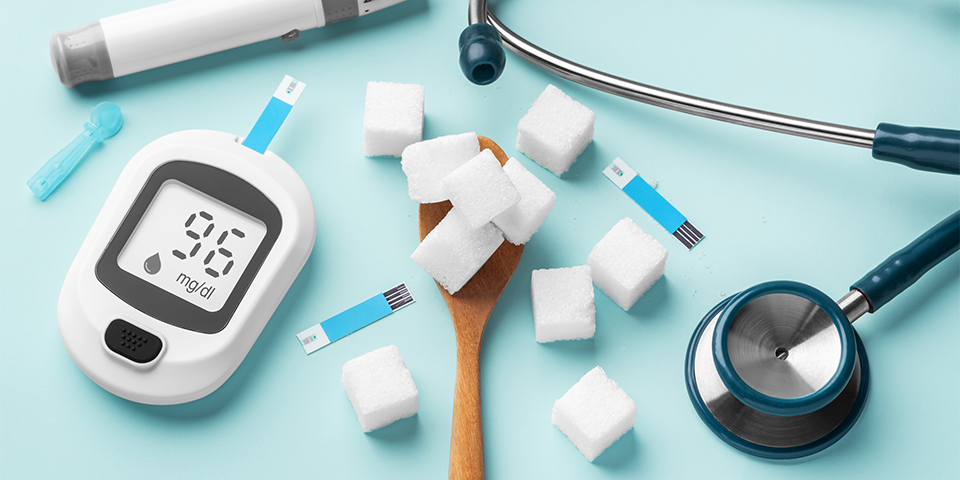
If you’ve ever experienced a quick surge and subsequent crash after consuming sugary foods, you have a basic understanding of glucose spikes. But the acute effects from a momentary surge in blood sugar are minor compared with the potential cumulative harm of chronic, or ongoing, spikes in glucose to hormonal balance and overall health.
And, while we mostly hear about blood sugar dysregulation with regard to heart disease and diabetes, it can also greatly impact otherwise healthy people.
Maybe your most recent physical exam and blood work indicated that your heart and metabolism are looking great. Maybe you’ve been experiencing some occasional or nagging mood swings, weight fluctuations, or lethargy without a clear culprit.
No matter your health status, keeping an eye on your blood sugar — and minimizing spikes in blood glucose — is an important tactic for health and supporting hormonal balance. Wondering what causes blood sugar spikes, and why they can be harmful? Here’s what you need to know.
What Is a Glucose Spike?
A glucose spike refers to the release of sugar into the bloodstream in amounts that exceed the normal range. The process features two primary players:
- Glucose: The simplest of sugars, glucose (a.k.a. blood sugar) is the body’s main source of energy from food. The word is derived from the Greek word gleukos, which means “sweet wine.”
- Insulin: Produced by the pancreas, this hormone directs the body — particularly cells in muscle and the liver — to accept glucose. Its function is to help convert food into energy.
When a high amount of carbohydrates consumed at one time is quickly digested and broken down into glucose then absorbed, blood sugar levels can spike.
“This typically happens after eating, especially when consuming food that is high in sugar and carbohydrates,” says registered dietitian nutritionist Kimberley Wiemann, MS, RDN.
Why Are Glucose Spikes Harmful?
Under normal circumstances, a postprandial (following a meal) lift in blood sugar is routine and temporary. Over time, however, chronically high spikes in blood sugar can cause major disruptions to the body’s basic systems.
“Blood sugar spikes can lead to reduced insulin sensitivity, which can disrupt hormone balance, including estrogen,” according to Nicole Levine, MD, a California-based physician.
Reduced insulin sensitivity results when the pancreas produces more and more insulin to encourage reluctant cells to absorb glucose. If those cells don’t respond proportionately — perhaps because they’re already glutted with glucose — sugar can accumulate in the bloodstream.
That accumulated glucose can end up stored as fat, which is where small amounts of estrogen are produced. More fat in this case may disrupt estrogen levels.
“Research shows that insulin resistance brought on by high blood sugar levels changes the metabolism of estrogen and upsets hormonal balance,” Levine says.
Blood Sugar Spike Symptoms

Chances are you’ve experienced a slump following a sugar rush. “Some common symptoms of blood sugar spikes are increased thirst, frequent urination, fatigue, blurred vision, headaches, irritability, and intense hunger,” Levine says.
Over time, however, chronic blood sugar spikes, along with daily stress and a lack of physical activity, can create hormone imbalances. This can lead to symptoms including:
- Mood swings
- Brain fog
- Weight gain
- Sleep issues
- Slowed metabolism
- Reduced sex drive
- PMS
- Cravings
- Hot flashes
- Night sweats
- Bloating/gas
- Acne
If you believe you’re experiencing the effects of elevated blood sugar, seek the care of a medical professional.
What Causes Blood Sugar Spikes?
Normally, when carbohydrates enter the body, glucose levels rise temporarily (for about one to two hours). Food is then converted into energy, and blood sugar levels return to baseline.
“It’s natural for the body’s blood sugar level to rise and fall throughout the day, with elevation usually occurring at every meal,” says Dr. Candice Seti, a certified personal trainer and clinical psychologist who specializes in eating disorders.
But certain triggers can cause spikes in blood sugar.
1. Simple carbs

Consider the way a match burns versus how a log burns.
Consuming your carbs in their simplest form makes them quicker to digest — a brief flare of energy — therefore making blood sugar levels quicker (and sharper) to rise.
“White rice, pasta, and processed foods are more likely to cause a blood sugar spike than healthy carbs like whole-grain breads and cereals,” Seti says. Of course, candy, soda, and other sugary, high-glycemic treats can also spike glucose.
However, more complex and fibrous carbs, like those in whole fruits, vegetables, and grains, digest slower and more sustained. This lends them to more gradual absorption and a flatter post-meal insulin curve as opposed to one that’s spiked.
2. Stress
In response to stress, the adrenal glands release cortisol. This hormone directs the body to release glucose stored in the liver so it has energy to fight off a perceived threat, whether it’s a charging lion or a looming deadline.
But the body doesn’t differentiate between the two. So if you’re in a constant state of duress, it’s going to release a constant stream of cortisol — and, by extension, blood sugar — in response.
And since excess glucose is often converted to fat — and some of the body’s estrogen is produced in fat tissue — high levels of stress can disrupt levels of estrogen over time. High levels of estrogen can increase cortisol levels in the blood, causing increased reactivity to stress, further perpetuating the cycle.
3. Inadequate sleep
Sleep duration, quality, and consistency have all been found to directly impact insulin sensitivity.
“A disruption in your sleep cycle can make it harder for the body to use insulin effectively,” Seti says.
While more study is needed, researchers have found a number of possible contributors to decreased insulin sensitivity resulting from insufficient sleep. Increased inflammatory markers and biomarkers, upheaval in circadian rhythms, inadequate light exposure, and heightened levels of cortisol were all observed in test subjects.
4. Dehydration

The overall volume of your blood consists in large part of water. If you don’t drink sufficient amounts of it, the share of blood volume accounted for by water decreases, making the proportion comprised by glucose higher by comparison.
As a result, dehydration can concentrate the amount of glucose in blood. It may also affect hormones that influence blood sugar regulation.
5. Skipping breakfast
Add to the list of reasons to nourish yourself first thing in the morning the proper regulation of your blood sugar throughout the rest of the day.
“Waiting until noon to take your first bite can make blood sugar levels rise higher after lunch and dinner,” Seti says.
Researchers are still hypothesizing the reasons why, but they have found that skipping breakfast prompts the liver to resist insulin while increasing output of glucose. As a result, they observed elevated blood sugar levels after lunch in those who skipped breakfast compared with those who didn’t.
How to Reduce Blood Sugar Spikes
There are a number of lifestyle modifications you can make to limit glucose spikes.
Of course, some symptoms are more serious than others. If you have concerns about how your body is processing blood sugar, you should consult a physician.
Diet

The effort to prevent glucose spikes starts by eating a healthy, rounded diet. And that starts by limiting added sugar and curating the types of carbs you choose for energy.
Remember: Simple carbs burn quickly and can cause blood glucose to spike and crash. Complex carbs and fiber digest more slowly, keeping postprandial blood sugar levels more stable and providing a more consistent source of energy.
Combining macros also helps.
“When consuming carbohydrates, it is important to have a source of protein, fat, or fiber along with it,” Wiemann says. “This can help to slow the absorption of sugar into the bloodstream, thereby preventing a spike in blood sugar levels.”
Levine concurs: “You can prevent blood sugar spikes by staying hydrated and eating balanced meals with fiber and protein.”
Exercise
Making exercise part of your routine is also key to helping reduce blood sugar spikes, both in the long and immediate terms.
“Regular physical activity helps stabilize blood glucose levels overall by improving insulin sensitivity,” Levine says.
That’s because the more demands you place on your body, the more receptive it will be to the blood glucose needed to fuel those demands. And the more muscle you build, the more tissue you’ll have with which to absorb circulating blood sugar.
Additionally, getting physical after eating can have instantaneous benefits.
“Participating in some sort of physical activity shortly after meals can help reduce blood sugar spikes,” Wiemann says. “Exercise prompts the body to pull sugar from the bloodstream into the muscles for energy.”
Sleep

Researchers have found that sleep length, quality, and timing each have significant impacts on blood sugar, which already rises naturally in the final hours of sleep — a physiological response known as the “dawn phenomenon” — to help with waking.
To ensure those nocturnal fluctuations start at a healthy level, studies show that consistently getting around seven hours of sleep per night is associated with greater insulin sensitivity.
That’s not a license to sleep like a college freshman; getting too much shuteye will put you right back at risk. But adding as little as one hour of unconscious time per night may help improve blood glucose levels and regulation.
Supplementation
A number of vitamins, minerals, herbs, and other nutrients have been found to help support normal blood sugar and minimize the effects of glucose spikes after eating. Some address dietary gaps, while others are difficult to get in sufficient quantities from food alone.
Certain compounds, like those found in Belle Vitale Daily Metabolism & Blood Sugar Support, can help enhance your body’s natural ability to burn fat, support healthy metabolism, and maintain blood sugar already within the normal range:*
Other supplements may help positively impact blood sugar by addressing the role of stress:
These adaptogens, combined with other essential vitamins and minerals in Belle Vitale Daily Hormone & Stress Support, help combat the effects of stress, support healthy cortisol levels, and promote healthy hormones.*
*These statements have not been evaluated by the Food and Drug Administration. These products are not intended to diagnose, treat, cure, or prevent any disease.
