

Some of the links in this story are affiliate links, which means we may earn a commission if you choose to purchase—helping us continue to share mindful, inspiring content.
From afternoon sunlight to a simple breathing technique, five practical ways to work with your biology.
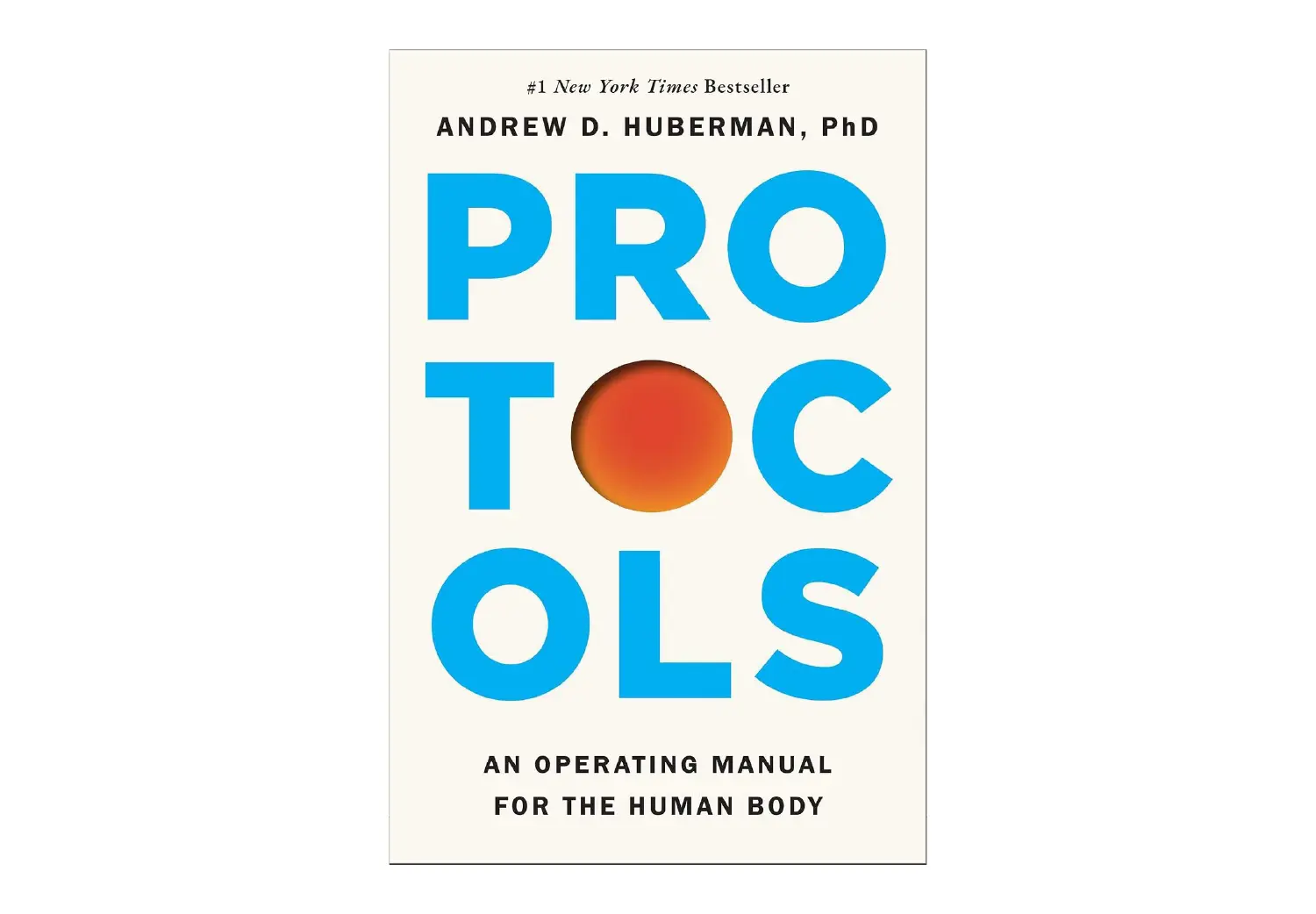
What if feeling better had less to do with overhauling your life and more to do with paying attention to the hours you already have? That is the intriguing proposition behind Andrew Huberman’s Protocols: An Operating Manual for the Human Body. The neuroscientist and host of Huberman Lab has helped turn subjects once confined to research journals, from circadian rhythms to the mechanics of breathing, into everyday conversations. His appeal is not that he has discovered one miraculous habit. It is that ordinary choices can look different when you understand the biology behind them.
For our TCM Book Club, we were most interested in the ideas that travel well beyond the laboratory: how daylight influences the body clock, why a particular breathing pattern can help when stress spikes, and what small bouts of movement can accomplish. These five takeaways are practical starting points, not a prescription to follow every protocol or an excuse to treat emerging science as settled.
+ Morning sunlight gets the attention, but afternoon light matters too
Huberman’s emphasis on light begins with the body’s internal clock. Specialized cells in the eye respond to daylight and help signal when we should feel alert and when the body should prepare for sleep. That is why outdoor light early in the day matters: it offers a stronger, more consistent cue than the illumination most of us receive indoors.
There is also a useful reminder not to spend the rest of the day under artificial lighting. Later daylight supplies additional environmental information about the passage of time. The research supporting morning light is more established than claims about unique benefits from afternoon exposure, but the broader lesson is appealingly simple: our biology still expects us to encounter the outdoors.
What to try: Step outside shortly after waking and again for a brief late-afternoon break. Enjoy ambient daylight without looking directly at the sun.
+ A physiological sigh offers a quick stress reset
The physiological sigh is one of the most immediately usable techniques associated with Huberman’s work. It involves a full inhale, a smaller second inhale, and a slow, extended exhale. The pattern resembles the spontaneous sighs people sometimes take after crying or during shifts in arousal, and the prolonged exhale can be a practical way to slow breathing when you feel activated.
In a randomized study that included Huberman among its authors, five minutes a day of cyclic sighing was associated with improvements in mood and reductions in respiratory rate. That does not mean a few breaths resolve chronic anxiety, but it gives the technique a more interesting foundation than the vague instruction to simply relax. It is a small intervention that asks for attention rather than equipment.
What to try: Take one inhale through your nose, add a smaller second inhale, then exhale slowly through your mouth. Repeat gently, stopping if you feel lightheaded.
+ Rest does not always require sleep
One of the more useful distinctions in Huberman’s work is between sleep and deliberate rest. Non-sleep deep rest, or NSDR, describes guided practices that invite the body to settle while awareness remains present. A session might involve following a voice through a body scan, noticing the breath, or using a yoga nidra-inspired sequence without any pressure to fall asleep.
That distinction matters because an afternoon lull often triggers a choice between another coffee and pushing through. A short guided rest offers a third option, particularly on days when concentration feels frayed. Research on relaxation practices is promising, but NSDR is not a standardized treatment with the same evidence base as sleep itself. The value is in creating a repeatable pause, not pretending twenty minutes can replace a night’s rest.
What to try: Try a guided 10-to-20-minute relaxation practice in a comfortable position. It can be a useful pause, but it does not replace adequate sleep.
+ Walking after a meal can help glucose regulation
The familiar advice to move more becomes more specific when you consider what happens after a meal. Glucose naturally rises as food is digested, and working muscles can take up some of that circulating glucose. Even modest activity soon after eating can therefore have a measurable effect on the post-meal response, without requiring a formal workout.
This is a good example of a protocol that can fit into real life. A short walk after lunch might double as a screen break; a stroll after dinner can become a household ritual. People with diabetes or other medical considerations should follow individualized guidance, but for many adults the broader takeaway is that movement does not need to be intense or lengthy to count.
What to try: Take an easy 10-to-15-minute walk after lunch or dinner. The point is repeatable movement, not a strenuous workout.
+ Strength training supports healthy aging
Strength training is often marketed around appearance, yet its most compelling benefits become clearer when we think decades ahead. Maintaining muscle strength helps preserve the ability to lift, climb, carry, and move independently. Resistance exercise also supports bone health and metabolic function, making it a meaningful complement to walking and other aerobic activity.
Huberman’s broader performance-and-longevity framework invites readers to treat strength as a capacity worth maintaining rather than a short-term transformation project. The practical starting point is consistency and progressive challenge, not chasing an elaborate split or copying someone else’s routine. Two manageable sessions a week can be a foundation, with exercise selection and intensity adjusted to the individual.
What to try: Start with two manageable full-body sessions weekly and progress gradually, using basic squat, hinge, push, and pull movements suited to your abilities.
Medical Disclaimer: This article is for informational purposes only and is not intended as medical advice, diagnosis, or treatment. Always consult a qualified healthcare professional before adopting any health protocols or practices discussed.
