

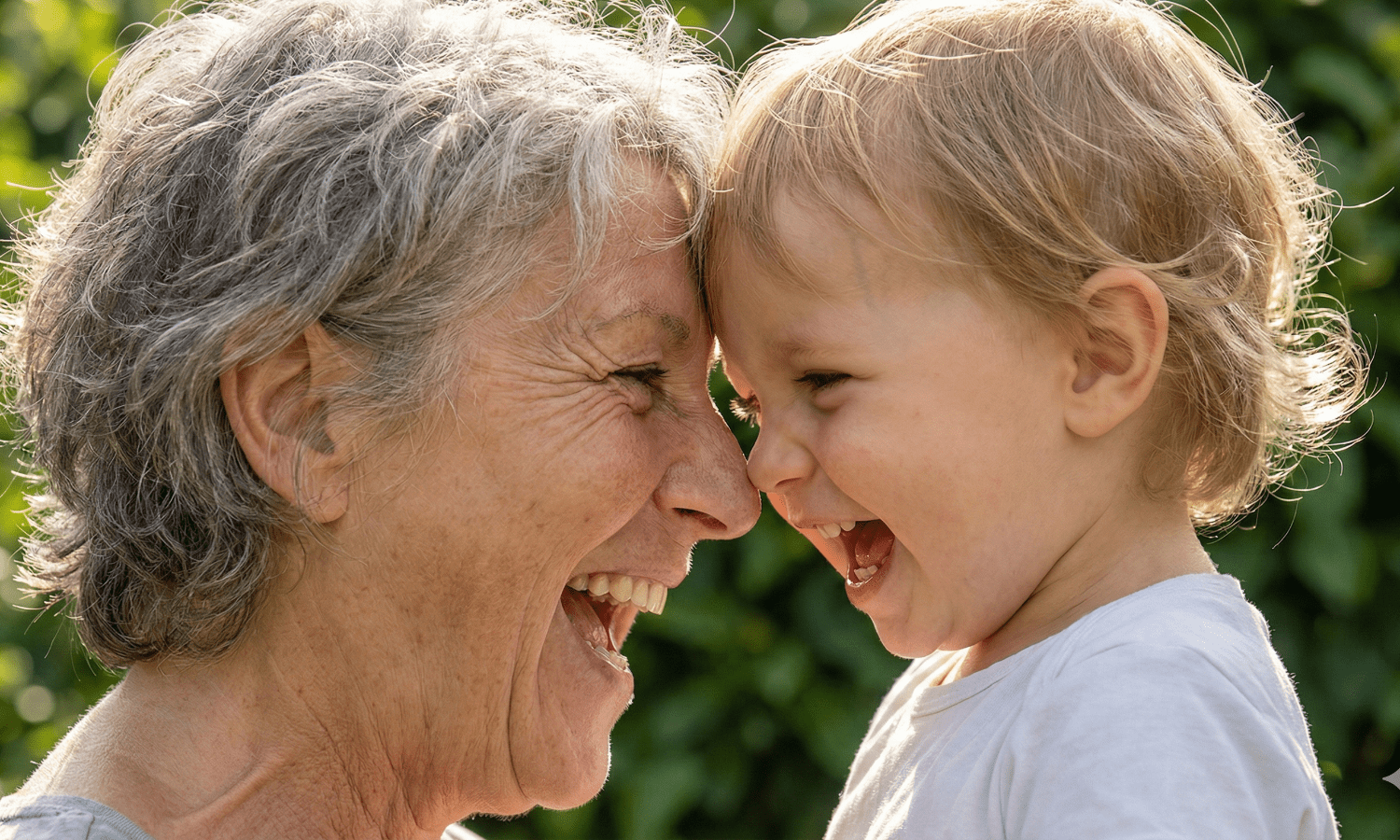
What if healing didn’t start with trying harder, thinking differently, or isolating yourself, but with being seen, understood, and supported in relationship? Interpersonal neurobiology offers a compassionate, science-based map of how emotional healing happens through connection rather than through willpower alone.
Interpersonal Neurobiology
Healing Through Connection
Relational Neuroscience
Interpersonal Neurobiology (IPNB), developed by Dr. Daniel Siegel (Siegel, 2012), teaches that the mind is an embodied, relational process shaped over time by our interactions with others. Neuroscientist Louis Cozolino (Cozolino, 2014) describes the brain as a “social organ of adaptation,” highlighting that our nervous system is designed to regulate and grow within attuned relationships.
In simple terms, we heal when we feel safe with someone. Interpersonal neurobiology helps explain why that sense of safety is not just comforting, it is literally changing the brain and body.
When we experience emotional attunement, empathy, and presence, the nervous system shifts out of survival mode into states that foster resilience, curiosity, and connection. In a culture that often promotes emotional independence, interpersonal neurobiology gently reminds us that connection is the medicine our brains are wired for.
What Is Interpersonal Neurobiology?
Interpersonal neurobiology combines research from neuroscience, attachment theory, psychology, and systems theory to explore how:
- The brain develops through experience,
- The mind processes emotions and meaning,
- And relationships shape our emotional patterns.
At its core, interpersonal neurobiology is based on three key principles from Siegel’s work (Siegel, 2012):
These ideas explain why therapy often works on a deeper level than insight alone: it engages the relational circuitry that shapes who we become. Interpersonal neurobiology helps us see therapy as a living, moment-by-moment process of connection, not just a conversation about problems.
Key idea: In interpersonal neurobiology, healing is less about “fixing yourself” and more about experiencing new, safe relationships that reshape the brain.
How Relationships Shape the Brain: Explicit and Implicit Memory
A core concept in interpersonal neurobiology is that the brain encodes experiences not only through conscious memory but also through deeply stored emotional and bodily impressions. Siegel (2012) and Cozolino (2014) describe two types of memory:
Explicit Memory
- Conscious recall of people, events, and facts
- Easily verbalized
Implicit Memory
- Emotional impressions, bodily sensations, response patterns
- Formed before language
- Often felt rather than remembered
Someone who grew up with inconsistent caregiving might not explicitly remember feeling unsafe, but their body may automatically prepare for rejection or conflict. These implicit patterns influence attachment, emotional triggers, and expectations in relationships.
Trauma amplifies this effect, storing experiences as fragmented emotions or bodily sensations rather than coherent narrative memory (Cozolino, 2014). This explains why trauma often manifests as sudden overwhelm, shutdown, anxiety, or relational avoidance, the body remembers what the mind cannot yet articulate.
If your body seems to react “out of nowhere,” interpersonal neurobiology would say those reactions often make sense in light of past relationships, even if you don’t yet have words for them.
Neuroplasticity: The Brain Can Change Through Connection
Did you know?
The nervous system often reacts before we have words for what we feel.
One of the most encouraging discoveries in interpersonal neurobiology is that the brain remains adaptable throughout life. Neuroplasticity allows the brain to reorganize based on new relational experiences (Siegel, 2012).
Supportive relationships, including therapy, can:
- Strengthen pathways related to emotional regulation
- Ease survival-based responses
- Develop new templates for safety and trust
Epigenetic research indicates that emotionally attuned environments can even alter gene expression related to stress and resilience (Cozolino, 2014). Healing, therefore, becomes not just psychological but biological, slowly woven into the nervous system through repeated experiences of safety.
How connection reshapes the brain (a simple IPNB view)
-
New experience: You feel met with care instead of criticism.
-
New wiring: Your nervous system gradually learns that closeness can be safe.
-
New pattern: Over time, your default response becomes curiosity and trust rather than shutdown or attack.
Interpersonal neurobiology reminds us that patterns wired in pain can be rewired in connection. Therapy can become one of the places where this rewiring is most intentional and supported.
For a deeper exploration of how repeated relational experiences shape the brain and our capacity for change, read “How Psychotherapy Retrains the Brain to Expect (and Feel) Better.”
Why the Right Brain Leads Emotional Healing
Allan Schore’s comprehensive research shows that the right hemisphere of the brain plays a central role in emotional regulation, attachment, and nonverbal communication (Schore, 2019).
The right brain processes:
- Facial expressions
- Tone of voice
- Eye contact
- Presence
- Empathy
- Intuitive relational cues
This part of the brain is most involved in trauma recovery. Schore (2019) describes therapy as a right-brain-to-right-brain process: the therapist’s attuned presence helps the client’s nervous system feel safe enough to regulate. Often, healing begins before words are spoken, the body perceives safety first.
When your therapist slows their pace, softens their tone, and stays with you through difficult feelings, they are engaging your right brain. From an interpersonal neurobiology perspective, this is not “just talking”, it is active co-regulation and nervous system repair.
The Triangle of Well-Being in Interpersonal Neurobiology
Siegel’s (2012) “Triangle of Well-Being” describes mental health through the interaction of:
1. The Mind
Thoughts, feelings, sensations, beliefs.
2. The Brain
Neural activity and bodily regulation.
3. Relationships
Our emotional and social connections.
Each aspect influences the others:
- Safe relationships support a regulated brain.
- A regulated brain fosters an integrated mind.
- An integrated mind encourages healthier relationships.
This cycle underpins emotional resilience. Interpersonal neurobiology offers a way to visualize how even small shifts, like noticing your breath, receiving a caring look, or sharing honestly with a therapist, ripple across the whole triangle.
For a gentle introduction to how the brain, mindfulness, and connection interact, check out: “Your Social Brain: Wired for Love and Connection.”
Integrating Implicit Memory in Therapy
Since trauma is stored implicitly in the body and emotional memory, healing requires integration, not suppression. Interpersonal neurobiology emphasizes that we do not simply “get over” trauma by thinking differently, we heal by bringing fragmented experiences into a more connected, embodied story.
Therapeutic approaches based on interpersonal neurobiology help integrate these experiences through:
Mindfulness and somatic awareness:
- Gently noticing sensations and emotions without judgment.
Narrative linking:
- Connecting past and present to create coherence (Siegel, 2012).
Relational Safety:
- Providing a secure therapeutic environment where emotions can be explored without fear (Badenoch, 2008).
As clients begin to integrate implicit memories, they often notice:
- Fewer emotional triggers
- Better boundaries
- Greater clarity and confidence
- A stronger sense of self
- Healthier relationships
This is the essence of healing in interpersonal neurobiology: fragmented parts of experience finally coming together in a way that feels coherent, compassionate, and grounded.
Considering therapy rooted in connection?
Many therapists draw on interpersonal neurobiology, attachment theory, and somatic approaches. You can use GoodTherapy’s Find a Therapist directory to search by location, specialty, and type of therapy.
Rupture and Repair: How Resilience Is Built
No relationship, including therapy, is perfectly attuned. Interpersonal neurobiology emphasizes that resilience is built not by avoiding ruptures but by the ability to repair them.
Tronick’s “still-face” research and Schore’s attachment studies show that ruptures followed by repair strengthen trust, emotional flexibility, and attachment security (Schore, 2019; Tronick, 2007).
Rupture
A moment of misattunement or disconnection:
- Misunderstanding in session
- A missed cue or unmet need
Repair
Turning toward each other to reconnect:
- Talking about what happened
- Feeling heard, validated, and reconnected
When repairs happen, therapy demonstrates that:
- Conflict can be managed
- Emotional needs can be expressed
- Relationships can deepen through honesty
- Vulnerability can be safe
Over time, this process creates a new internal template for relational safety, one of the core promises of interpersonal neurobiology–informed therapy.
Protective part
Keeps you on guard, scans for danger.
Vulnerable part
Holds pain, fear, and unmet needs.
Compassionate self
Begins to listen, soothe, and integrate.
The Therapist as a Co-Regulator
In interpersonal neurobiology–informed therapy, the therapist does more than interpret or analyze; they co-regulate with the client. Through tone, pacing, body language, and emotional presence, the therapist offers a steady, regulated nervous system for the client to anchor to (Bowlby, 1988; Schore, 2019).
Over time, clients internalize this steadiness and develop their own capacity for emotional regulation. Healing becomes embodied, not just cognitive.

From an interpersonal neurobiology perspective, therapy is a living example of how human nervous systems are designed to heal together. You don’t have to regulate alone, your therapist’s nervous system “lends” stability while yours learns new patterns.
Integration and Mental Health
According to Siegel (2012), integration, linking differentiated parts of the self, is the foundation of mental well-being. When integration occurs, individuals experience:
- Emotional stability
- Flexibility in thinking
- Clarity
- Coherence
- A more profound sense of self
Therapy supports integration by reconnecting thoughts, feelings, body sensations, and relational experiences. As these systems link, life often feels less overwhelming and more grounded. Interpersonal neurobiology offers both a language and a roadmap for this process.
Integration links:
- Thoughts with feelings
- Body sensations with meaning
- Past experiences with present responses
- Self-understanding with safe relationships
When these parts connect,
life feels more coherent.
Final Reflection: Healing Happens in Relationship
Interpersonal neurobiology offers a simple but transformative truth:
You were never meant to heal alone.
Your brain is wired for connection (Cozolino, 2014). Your nervous system changes through attuned presence (Schore, 2019). Your inner wounds, formed in relationship, can be healed in relationship (Siegel, 2012).
Whether through therapy or through safe, nurturing connections in your life, your brain and body can reorganize and build resilience. In the language of interpersonal neurobiology, healing becomes not a solitary effort, but a shared journey.
About the Author

Azin Heydari, MA, Registered Psychotherapist
Azin is a trauma-informed, attachment-based psychotherapist working with adults navigating complex and developmental trauma, attachment wounds, relationship struggles, anxiety, and emotional overwhelm.
Her work is grounded in interpersonal neurobiology, somatic awareness, and nervous system regulation, supporting clients in rebuilding trust in themselves and in connection with others.
References
- Badenoch, B. (2008). Being a brain-wise therapist: A practical guide to interpersonal neurobiology. W. W. Norton & Company. View book
- Bowlby, J. (1988). A secure base: Parent-child attachment and healthy human development. Basic Books. View book
- Cozolino, L. (2014). The neuroscience of human relationships: Attachment and the developing social brain (2nd ed.). W. W. Norton & Company. View book
- Schore, A. N. (2019). Right brain psychotherapy. W. W. Norton & Company. View book
- Siegel, D. J. (2012). The developing mind: How relationships and the brain interact to shape who we are (2nd ed.). Guilford Press. View book
- Tronick, E. (2007). The neurobehavioral and social-emotional development of infants and children. W. W. Norton & Company.
The preceding article was solely written by the author named above. Any views and opinions expressed are not necessarily shared by GoodTherapy.org. Questions or concerns about the preceding article can be directed to the author or posted as a comment below.
