

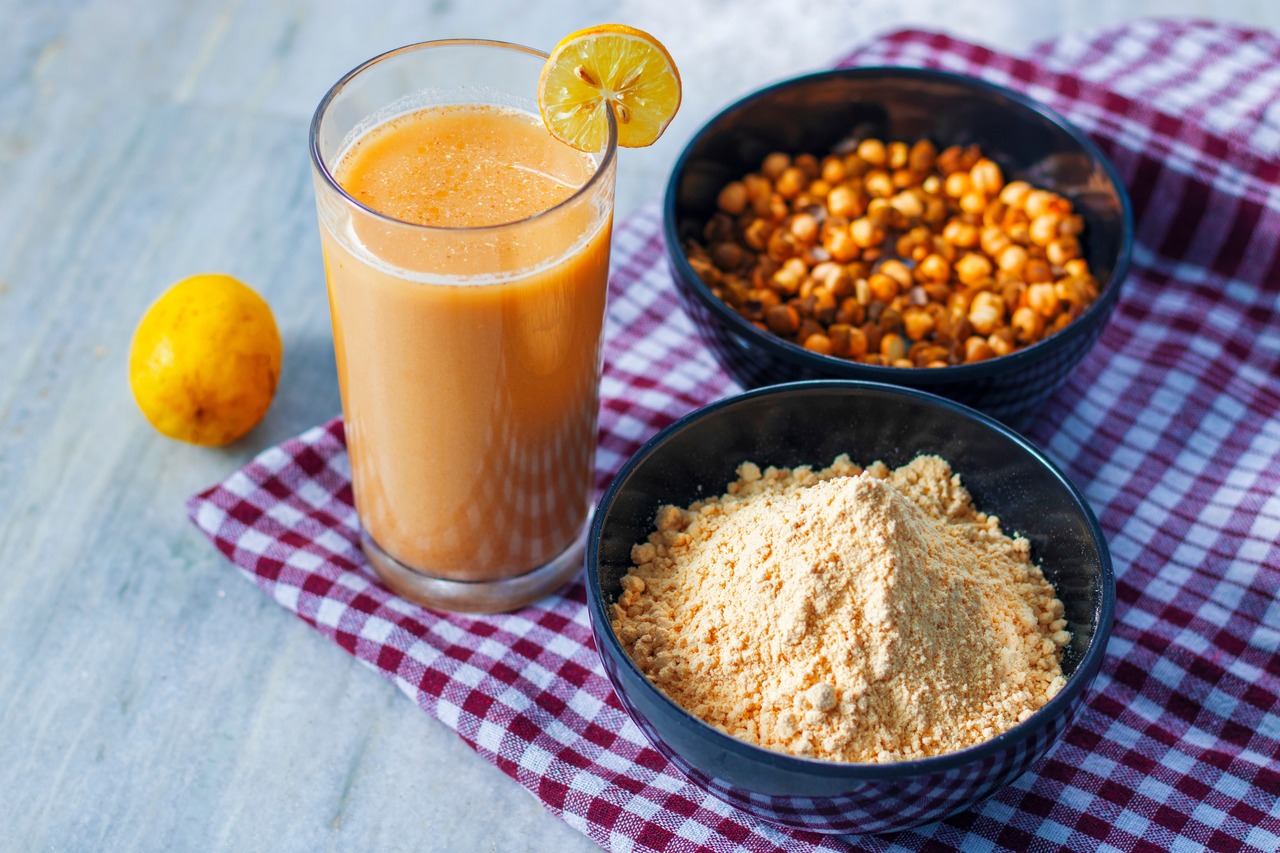
Sattu, an age-old culinary gem, is gaining widespread recognition for its incredible nutritional benefits and versatile usage in various cuisines. With its origins deeply rooted in Indian culture, this humble ingredient has captured the attention of health enthusiasts and food connoisseurs alike. From its unique composition to its remarkable health advantages, Sattu has emerged as a compelling addition to modern diets.
In this article, we delve into the world of Sattu, unravelling its rich history, nutritional profile, health benefits, culinary applications, and more. Whether you’re seeking a wholesome dietary addition or a delightful culinary experience, Sattu offers a range of possibilities that are worth exploring.
Sattu: An Overview
Sattu, derived from the Hindi word “sattva,” meaning “pure,” is a traditional ingredient widely consumed in the Indian subcontinent. It refers to a flour-like powder made from roasted grains, primarily Bengal gram (chana dal), but can also include other legumes like barley, wheat, or millet. The grains are dry roasted and then ground to a fine texture, resulting in a versatile and nutrient-rich product.
The history of Sattu dates back centuries, with its origins deeply embedded in Indian culinary traditions. It is believed to have originated in the region of Bihar, where it has been consumed for generations. Over time, Sattu has spread to other parts of India, including Uttar Pradesh, Jharkhand, and West Bengal, and has become an integral part of the local cuisines.
Initially, Sattu was primarily consumed by farmers and labourers due to its satiating and energy-boosting properties. It served as a convenient and nutritious food option for people working in the fields or undertaking physically demanding tasks. However, with increasing awareness about its health benefits and culinary versatility, Sattu has gained popularity among a wider audience.
Summary
Sattu, derived from roasted grains, is a versatile and nutrient-rich ingredient widely consumed in the Indian subcontinent. Its history dates back centuries, originating in Bihar and spreading to other regions. Initially popular among farmers and labourers for its satiating and energy-boosting properties, Sattu has gained wider recognition due to its health benefits and culinary versatility.
Nutritional Composition of Sattu
Sattu is not only valued for its taste and culinary versatility but also for its impressive nutritional composition. Packed with essential nutrients, it offers a range of health benefits. Let’s explore the key components of Sattu’s nutritional profile:
Macronutrients
Protein: Sattu is a rich source of plant-based protein. It contains a significant amount of essential amino acids, making it a valuable protein option, especially for vegetarians and vegans. On average, one tablespoon of sattu contains 3.36g of protein.
Carbohydrates: Sattu provides carbohydrates, which are the body’s primary source of energy. The carbohydrate content in Sattu varies depending on the grains used in its preparation. Generally speaking, there is 9.41 g of carbs in one tbsp of sattu.
Fats: Sattu contains a moderate amount of healthy fats, including monounsaturated and polyunsaturated fats, which are beneficial for overall health. One tablespoon of sattu contains 0.83g of fat.
Dietary Fiber
Sattu is a notable source of dietary fibre, which plays a crucial role in maintaining digestive health and promoting regular bowel movements. The fibre content in Sattu aids in satiety, preventing overeating and contributing to weight management.
Vitamins
Sattu contains various vitamins, including vitamin B complex (B1, B2, B3, B6), which are essential for energy production, nerve function, and metabolism. It also provides traces of vitamin E, which is known for its antioxidant properties.
Minerals
Sattu is rich in minerals that are vital for overall health. It contains significant amounts of iron, which is essential for red blood cell production and preventing iron deficiency anaemia. Additionally, Sattu provides calcium, magnesium, phosphorus, potassium, and zinc, contributing to bone health, nerve function, muscle contractions, and immune support.
Health Benefits of Sattu
Sattu offers an array of health benefits due to its unique nutritional composition. Let’s explore in detail how incorporating Sattu into your diet can positively impact your health:
1. Digestive Health
Sattu is a good source of dietary fibre, which aids in maintaining a healthy digestive system. Research shows that fibre promotes regular bowel movements, prevents constipation, and supports overall gastrointestinal health. Furthermore, scientific studies prove that fibre helps regulate digestion by promoting the growth of beneficial gut bacteria and preventing digestive issues like bloating and indigestion.
2. Weight Management and Satiety
Studies suggest Sattu’s high fibre and protein content contribute to increased satiety, keeping you feeling fuller for longer periods. This can help in managing appetite, reducing overeating, and promoting healthy weight management.
3. Energy Boost and Stamina
Sattu is a rich source of plant-based protein, providing essential amino acids necessary for energy production, muscle repair, and growth. Sattu’s nutrient composition, including B vitamins and minerals like iron and magnesium, supports energy metabolism, red blood cell production, and oxygen transport in the body. This can help combat fatigue and enhance stamina.
4. Blood Sugar Regulation
Sattu has a lower glycemic index compared to refined grains. This means it releases glucose into the bloodstream more slowly, providing sustained energy levels and helping to control blood sugar spikes. Sattu’s low glycemic index and high fibre content make it beneficial for managing blood sugar levels and supporting stable insulin response. Research shows that regular consumption of low-glycemic foods like Sattu has been associated with a decreased risk of developing type 2 diabetes.
5. Nutritional Support for Vegetarians and Vegans
Sattu offers a significant protein content, making it an excellent alternative to animal-based proteins for individuals following vegetarian or vegan diets. It also provides essential vitamins, minerals, and amino acids that are typically found in animal products. It can help ensure a well-rounded nutrient intake for individuals on plant-based diets.
Summary
Incorporating Sattu into your diet can have several health benefits. It supports digestive health, aids in weight management, boost energy and stamina, helps regulate blood sugar levels, and provides essential nutrients for vegetarians and vegans. Sattu’s high fibre and protein content promotes satiety, while its low glycemic index aids in blood sugar control. With its unique nutritional composition, Sattu offers a versatile and nutritious addition to a balanced diet.
Healthy Uses of Sattu
Sattu, known for its nutritional richness, can be incorporated into various healthy preparations. Here are some beneficial and healthy uses of Sattu:
- Protein-Rich Smoothies: Sattu can be added to smoothies for a protein boost. Combine Sattu with fruits like banana, berries, or mango, along with yoghurt or milk of your choice. This creates a creamy and protein-packed smoothie that can be enjoyed as a nutritious breakfast or post-workout recovery drink.
- Nutritious Energy Bars: Create homemade energy bars using Sattu as the base ingredient. Mix Sattu with nuts, seeds, dried fruits, and a natural sweetener like honey or dates. Press the mixture into bars and refrigerate. These bars provide a convenient and healthy snack option, packed with protein, fibre, and essential nutrients.
- Sattu Pancakes or Crepes: Prepare pancakes or crepes using a batter made with Sattu, whole wheat flour, and a liquid of your choice (milk or plant-based alternatives). These pancakes can be topped with fresh fruits, nut butter, or a drizzle of honey, providing a nutritious and filling breakfast or brunch option.
- Sattu Soup: Create a nourishing soup by combining Sattu with vegetable broth, chopped vegetables, herbs, and spices. Simmer the mixture until the vegetables are tender, and you have a hearty and fibre-rich soup that can be enjoyed as a light meal or appetizer.
- Sattu Salad Dressing: Make a healthy salad dressing using Sattu. Whisk together Sattu, lemon juice, olive oil, minced garlic, and a touch of salt and pepper. Drizzle this dressing over salads for a flavorful and protein-packed addition.
- Sattu Porridge: Cook Sattu with milk or water to create a creamy porridge. Add flavours like cinnamon, cardamom, or vanilla extract and sweeten with natural sweeteners like honey or maple syrup. This warm and comforting porridge provides a nutritious breakfast option that keeps you full and energised.
- Sattu Stuffed Vegetables: Create a healthy and flavorful filling by mixing Sattu with spices, herbs, and chopped vegetables. Stuff this mixture into bell peppers, zucchini, or tomatoes and bake until the vegetables are tender. This provides a low-calorie and nutrient-dense option for a satisfying main course.
Healthy Indian Recipes Using Sattu
Sattu Drink (Sattu Sharbat):
Ingredients
– Sattu flour: 2 tbsp
– Chilled water: 500 ml
– Lemon juice: 1 tbsp
– Jaggery: 1 tbsp
– Black salt: As per taste
– Roasted cumin powder: ½ tsp
– Ice cubes (optional)
– Fresh mint leaves for garnish
Instructions
1. In a mixing bowl, add sattu flour, lemon juice, jaggery or sugar, black salt, and roasted cumin powder.
2. Gradually pour chilled water into the bowl while continuously whisking to avoid lumps.
3. Continue whisking until the ingredients are well combined, and the mixture becomes smooth.
4. Taste and adjust the sweetness or saltiness according to your preference.
5. If desired, add ice cubes to the serving glasses.
6. Pour the sattu drink into the glasses and garnish with fresh mint leaves.
7. Stir gently before serving.
Enjoy this refreshing and nutritious sattu drink!
Sattu Salad
Ingredients
– Sattu flour: 250 g
– Onion, finely chopped: 50g
– Tomato, finely chopped: 50g
– green Chili, finely chopped : 1
– Chopped coriander leaves: 2 tbsp
– Lemon juice: 1 tbsp
– Salt: to taste
– Water (as needed)
– Optional toppings: chopped cucumber, grated carrot, roasted peanuts
Instructions
1. In a mixing bowl, add sattu flour, chopped onion, tomato, green chilli, coriander leaves, lemon juice, and salt.
2. Mix well until all the ingredients are evenly combined.
3. Gradually add water, a little at a time, and mix until the mixture reaches a crumbly yet moist texture. Be careful not to add too much water, as sattu absorbs moisture quickly.
4. Taste and adjust salt and lemon juice according to your preference.
5. Serve the sattu salad in a bowl, and you can top it with chopped cucumber, grated carrot, or roasted peanuts for added crunch and flavor.
6. Mix everything together before enjoying.
Precautions and Side Effects
While Sattu is generally safe and beneficial for most individuals, it’s important to be aware of certain precautions and potential side effects. Here are a few considerations:
Allergies and Potential Sensitivities
- Gluten Sensitivity: Sattu is commonly made from grains like barley, wheat, or chickpeas, which contain gluten. Individuals with gluten sensitivity or celiac disease should opt for gluten-free versions of Sattu made from grains like millet or sorghum.
- Legume Allergy: Some people may be allergic to legumes, such as chickpeas or lentils, which are used in Sattu. If you have a known legume allergy, it is advisable to avoid Sattu or choose alternatives made from non-allergenic grains.
Moderation in Consumption and Portion Control
- High Fibre Content: Sattu is rich in dietary fibre, which is beneficial for digestive health. However, consuming excessive amounts of fibre without adequate water intake can lead to bloating, gas, or abdominal discomfort. It is important to gradually introduce Sattu into your diet and maintain proper hydration.
- Portion Control: While Sattu is nutritious, it is important to consume it in moderation as part of a balanced diet. Excessive intake may lead to an imbalance in calorie intake or nutrient composition, especially if added to calorie-dense preparations. Adjust the portion size according to your dietary needs and consult a healthcare professional or dietitian for personalised recommendations.
Individual Considerations:
- Medical Conditions and Medications: Individuals with specific medical conditions, such as kidney problems, diabetes, or gastrointestinal disorders, should consult a healthcare professional or registered dietitian before incorporating Sattu into their diet. Sattu may interact with certain medications, so it’s important to seek guidance if you are on medication.
- Nutrient Imbalances: While Sattu is rich in nutrients, relying solely on it as a primary source of nutrition may lead to potential nutrient imbalances. It is recommended to consume a varied diet that includes a wide range of whole foods to ensure comprehensive nutrient intake.
It’s essential to listen to your body and be mindful of any adverse reactions or discomfort when consuming Sattu. If you experience any unusual symptoms after consuming Sattu, discontinue use and consult a healthcare professional.
HealthifyMe Suggestion
Sattu is a great and refreshing drink, especially for summer. It helps to cool down your body. You can try mixing and matching the flavours. It is high in protein with a perfect blend of roasted grains. The calories the low per tablespoon and can be added to a variety of dishes like paratha, drink, salad, etc. It keeps you full for a long time so you won’t snack much.
If you haven’t tried it, give it a go
Conclusion
In conclusion, Sattu is a unique and nutrient-rich ingredient that offers a multitude of health benefits. From supporting digestive health to aiding in weight management, providing sustained energy, regulating blood sugar levels, and offering a valuable protein source for vegetarians and vegans, Sattu has proven to be a versatile addition to a balanced diet. Its rich fibre content, essential nutrients, and low glycemic index make it a valuable choice for individuals seeking a wholesome and nourishing food option. Whether used in traditional recipes, beverages, or innovative culinary creations, Sattu continues to captivate taste buds while contributing to overall well-being. Embracing Sattu as part of your diet can be a flavorful and nutritious way to enhance your health and enjoy the benefits of this ancient Indian ingredient.
Disclaimer: The purpose of this article is just to disperse knowledge and raise awareness. It does not intend to replace medical advice from professionals. For further information please contact our certified nutritionists Here
Frequently Asked Questions (FAQs)
Q. What is Sattu?
Sattu is a flour-like powder made from roasted grains, primarily Bengal gram (chana dal), but it can also include other legumes like barley, wheat, or millet. It is widely consumed in the Indian subcontinent and is known for its nutritional richness and versatility in culinary applications.
Q. How to make Sattu?
To make Sattu, grains like Bengal gram or other legumes are dry roasted until they become aromatic and slightly browned. The roasted grains are then ground into a fine powder using a grinder or blender. The resulting powder is Sattu, which can be used in various recipes.
Q. What is Sattu powder?
Sattu powder refers to flour-like powder made from roasted grains like Bengal gram or other legumes. It is a versatile ingredient used in traditional recipes, beverages, and snacks. Sattu powder is known for its high fibre, protein, and nutrient content, making it a nutritious addition to meals.
Q. How to make Sattu drink?
To make a Sattu drink, mix Sattu powder with water, milk, or buttermilk. Add desired flavourings like lemon juice, salt, sugar, or spices such as roasted cumin powder. Stir well until the powder is dissolved, and the drink is smooth. Sattu drinks are refreshing, nutritious, and commonly consumed during summer for their cooling properties.
Q. What are the benefits of Sattu?
Sattu offers several health benefits, including:
- Digestive health support due to its high fibre content.
- Weight management support through increased satiety.
- Energy boost and stamina enhancement from its protein and nutrient composition.
- Blood sugar regulation due to its low glycemic index.
- Nutritional support for vegetarians and vegans, providing essential nutrients.
Q. Is it okay to drink Sattu every day?
Consuming Sattu in moderation as part of a balanced diet is generally considered safe and beneficial. However, individual dietary needs and health conditions may vary. It’s best to consult a healthcare professional or registered dietitian for personalized advice based on your specific circumstances. They can provide guidance on incorporating Sattu into your diet and help determine the appropriate frequency and portion sizes.
Reference Links
- Soluble Dietary Fiber, One of the Most Important Nutrients for the Gut Microbiota: https://www.ncbi.nlm.nih.gov/pmc/articles/PMC8624670/
- The effect of fiber on satiety and food intake: a systematic review: https://pubmed.ncbi.nlm.nih.gov/23885994/
- Dietary Glycemic Index and Load and the Risk of Type 2 Diabetes: Assessment of Causal Relations: https://www.ncbi.nlm.nih.gov/pmc/articles/PMC6628270/
