

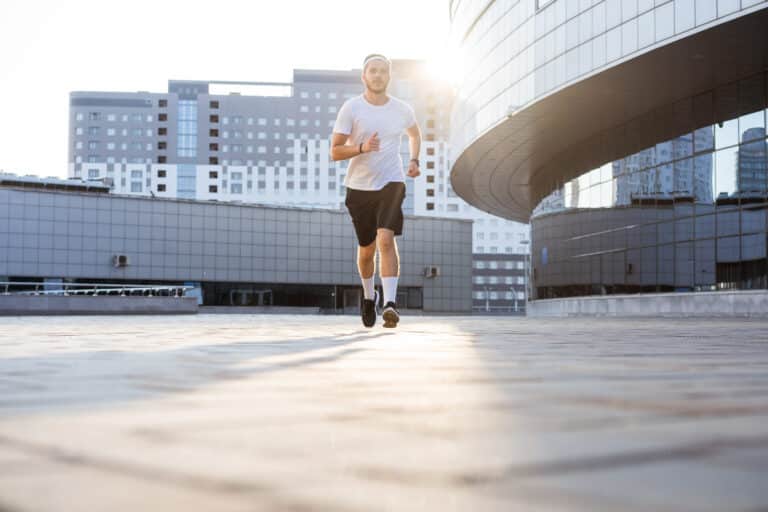
High-Intensity Interval Training (HIIT) has been dominating the fitness world for years. Fitness enthusiasts praise it for its efficiency and calorie-burning potential. However, not everyone thrives on intense workouts. That is where low-intensity cardio (LISS) comes in. It is an approach that is gaining momentum for its sustainable, joint-friendly, and effective nature.
While HIIT pushes the body to its limits, LISS focuses on steady, controlled movements performed for an extended duration. It allows individuals of all fitness levels to improve endurance, burn fat, and enhance cardiovascular health without extreme exertion. The growing popularity of low-intensity steady-state training has made it a preferred choice for beginners, older adults, and even professional athletes seeking active recovery.
But what exactly is LISS cardio? How does it work? What are its benefits, and is it the right workout for you? This article explores everything you need to know about LISS training. The information below will help you incorporate LISS into your routine for better health, fitness, and longevity.
What is LISS Cardio?
LISS, short for Low-Intensity Steady-State cardio, refers to any aerobic activity performed at a moderate and continuous pace for an extended duration, typically 30 to 60 minutes. Unlike high-intensity workouts that require short bursts of energy, LISS maintains a steady heart rate at around 50-70% of your maximum capacity. It allows the body to burn fat efficiently while minimizing stress on joints and muscles.
The core principle of LISS is sustainability, as it is a gentler, low-impact form of exercise that people of all fitness levels can do. Whether you are walking, cycling, swimming, or using an elliptical, the goal remains the same. It is to maintain a comfortable but effective pace that keeps the heart rate elevated without pushing the body to exhaustion.
While LISS has gained renewed popularity in recent years, its concept is not new. Athletes and bodybuilders have used steady-state cardio for decades to improve endurance and aid recovery. According to the American College of Sports Medicine (ACSM), LISS aligns with public health guidelines that recommend 150–300 minutes of moderate-intensity aerobic activity per week for optimal cardiovascular health.
How Does LISS Work?
LISS cardio works by engaging the body’s aerobic system, which relies on oxygen, carbohydrates, and fat as primary energy sources. Unlike high-intensity workouts that predominantly use glycogen for fuel, LISS encourages the body to burn fat over an extended period. That makes it an excellent option for fat loss and endurance building.
1. Heart Rate and Energy Utilization
The effectiveness of LISS training depends on maintaining a moderate heart rate, which is typically 50-70% of your maximum heart rate (MHR). To calculate your MHR, subtract your age from 220. For example, a 35-year-old individual would have an estimated MHR of 185 beats per minute (bpm). During LISS exercise, the target heart rate would range between 93-130 bpm.
This controlled intensity ensures that fat remains the primary energy source. That makes LISS workouts effective for weight loss without excessive strain on the body.
2. The Role of Slow-Twitch Muscle Fibers
LISS primarily activates slow-twitch (Type I) muscle fibers, which are responsible for sustained endurance-based activities. These fibers are highly fatigue-resistant and are optimized for oxygen use. They enable efficient energy production over long periods.
According to the Strength and Conditioning Journal, strengthening these slow-twitch fibers through LISS training improves oxygen efficiency, enhances muscular endurance, and supports cardiovascular health. That makes LISS a foundational exercise for endurance athletes and beginners alike.
3. Fat Oxidation and Endurance Building
LISS training gradually improves the body’s ability to oxidize fat for fuel. Fat oxidation is a process crucial for sustained energy levels and long-term fitness adaptations. The American Council on Exercise (ACE) states that regular LISS workouts improve aerobic capacity. It allows the body to transport oxygen more efficiently, break down fat for energy, and extend workout duration over time.
By maintaining a steady pace without exhausting the body, LISS allows for more frequent training sessions, reduces the risk of burnout, and promotes consistent fitness progress.
Health Benefits and Other Advantages of LISS Training
Low-intensity steady-state (LISS) cardio is not just a convenient alternative to high-intensity workouts. Instead, it comes with several health benefits that make it a valuable addition to any fitness routine. By maintaining a steady, moderate pace for an extended duration, LISS enhances cardiovascular endurance, supports fat loss, and reduces stress. Below are the key advantages of incorporating LISS training into your workout plan.
1. Supports Fat Burning and Weight Loss
One of the main reasons people choose LISS cardio is its effectiveness in fat metabolism. During low-intensity exercise, the body primarily uses fat as its fuel source rather than carbohydrates. Research suggests that steady-state aerobic exercise is particularly effective in mobilizing fat stores for energy, which can aid in long-term fat loss. Unlike high-intensity workouts, LISS does not drastically spike cortisol levels, which can sometimes lead to increased fat retention.
Additionally, a meta-analysis found that LISS and HIIT (high-intensity interval training) produce similar fat loss results, provided the total caloric expenditure is the same. That means LISS can be an equally effective method for losing fat, particularly for those who prefer longer, less strenuous workouts.
2. Enhances Cardiovascular Fitness
LISS cardio strengthens the heart and lungs by improving aerobic capacity. According to the American College of Sports Medicine (ACSM), engaging in low-intensity steady-state workouts enhances oxygen consumption. It improves blood circulation, which helps reduce the risk of heart disease, high blood pressure, and stroke.
Unlike high-intensity training, which puts immense stress on the cardiovascular system, LISS allows the heart to work at a moderate level for extended periods. This makes it an excellent option for individuals recovering from heart conditions or those who need to build endurance without overexertion.
3. Lower Impact, Joint-Friendly Exercise
High-impact exercises such as sprinting and plyometric training can put significant stress on joints, which can lead to wear and tear over time. LISS, on the other hand, involves gentle, continuous movements like walking, cycling, or swimming. That makes it an ideal choice for people with joint pain, arthritis, or previous injuries.
A study highlights that low-impact workouts are particularly beneficial for older adults. It helps them maintain mobility and reduce joint stiffness. Since LISS exercises do not involve sudden bursts of energy or heavy impact, they minimize the risk of injury while still delivering significant health benefits.
4. Faster Recovery and Reduced Muscle Fatigue
Athletes often use LISS as an active recovery workout. Unlike high-intensity workouts that cause muscle soreness and prolonged fatigue, LISS improves blood circulation. Moreover, it aids muscle recovery by flushing out metabolic waste such as lactic acid.
Athletes and strength trainers frequently include LISS cardio exercises on their rest days to maintain movement without placing excessive strain on the body. This approach can enhance endurance and prevent overtraining. As a result, it can keep energy levels stable while allowing muscles to recover efficiently.
5. Stress Reduction and Mental Well-Being
Exercise is known to lower stress hormones, but high-intensity workouts can sometimes lead to an increase in cortisol, a stress hormone linked to weight gain and anxiety. In contrast, LISS training can reduce cortisol levels, making it an excellent option for stress relief.
According to a study, low-intensity exercise decreases cortisol production. It leads to improved mood and reduced anxiety. Additionally, activities like walking or cycling outdoors can boost endorphins, the body’s natural mood-enhancing chemicals, improving overall mental well-being.
6. Suitable for Beginners and All Fitness Levels
LISS workouts require no advanced fitness level or technical skills. That makes them accessible to beginners. Whether you are just starting your fitness journey or returning after a long break, LISS training allows for gradual progression without the risk of burnout or injury.
Unlike high-intensity workouts that require short bursts of extreme effort, LISS exercises focus on consistency and endurance. That makes them an excellent choice for individuals of all ages and fitness backgrounds.
7. Improves Endurance for Long-Distance Training
LISS cardio is a foundational element for endurance training. Long-distance runners, cyclists, and swimmers often integrate LISS cardiovascular fitness workouts into their training routines to improve stamina and aerobic efficiency.
LISS helps train the body to sustain effort for extended durations by improving oxygen utilization and energy efficiency. That makes it a valuable tool for marathon training and other endurance-based sports.
8. Can Be Done Anywhere and Requires No Equipment
LISS is versatile and convenient. Whether you prefer outdoor activities like walking, hiking, or cycling or indoor workouts like treadmill walking or stair climbing, LISS cardio can be done virtually anywhere.
Unlike strength training, which requires weights, or HIIT, which often involves specialized equipment, LISS workouts require no expensive gear. That makes it an affordable and accessible option for anyone looking to stay active.
Potential Drawbacks of Low-Intensity Cardio
While low-intensity cardio (LISS) offers numerous benefits, it is vital to recognize its limitations and drawbacks. Like any form of exercise, LISS may not be suitable for everyone, and its effectiveness depends on individual goals and preferences. Below are some potential drawbacks of LISS training.
1. Longer Duration Compared to High-Intensity Workouts
LISS workouts require longer exercise durations to achieve the same calorie-burning effect as high-intensity workouts. While a 20-minute HIIT session can burn as many calories as a 60-minute LISS workout, the latter requires a more significant time commitment. That can be a challenge for those with busy schedules who need faster results in less time.
2. Risk of Overuse Injuries
Although LISS is gentle on the joints, repetitive movements over long periods can lead to overuse injuries if proper recovery is not maintained. For example, excessive walking, jogging, or cycling without variation may cause shin splints, knee pain, or lower back strain. Incorporating cross-training and strength exercises can help balance muscle engagement and reduce injury risks.
3. Can Become Boring or Repetitive
LISS workouts involve steady, sustained movements, which some individuals may find monotonous. Unlike high-intensity training, which offers variation and short bursts of energy, performing the same activity at a moderate pace for extended periods can lead to mental fatigue and lack of motivation. To combat boredom, consider changing workout environments, listening to music or podcasts, or exercising with a friend.
4. Potential Increase in Appetite
Some research suggests that prolonged low-intensity exercise can increase hunger hormones. It leads to greater calorie consumption post-workout. If weight loss is a goal, excessive eating after LISS sessions can counteract the caloric deficit. Being mindful of post-workout nutrition and focusing on balanced meals with proteins, healthy fats, and fiber can help regulate hunger levels.
Examples of LISS Exercises
LISS workouts are versatile and adaptable. That makes them an excellent choice for people of all fitness levels. Below are some effective LISS exercises that can be performed indoors, outdoors, or in a gym.
1. Walking
Walking is one of the most accessible LISS exercises and is gentle on the joints. You can do it anywhere, at any time, and it is excellent for improving cardiovascular endurance. To maximize benefits, maintain a moderate pace where you can talk but not sing.
2. Cycling
Whether outdoors or on a stationary bike, cycling at a moderate, consistent pace provides excellent cardiovascular benefits while minimizing joint impact. It is ideal for building leg strength and improving aerobic fitness.
3. Swimming
Swimming is a full-body LISS workout that enhances cardiovascular fitness, endurance, and muscle tone. The buoyancy of water reduces joint stress, making it ideal for injury recovery or low-impact training.
4. Rowing Machine
Using a rowing machine at a moderate pace for an extended duration engages both upper and lower body muscles while improving cardiovascular endurance. It is an excellent LISS option for those who want a low-impact, full-body workout.
5. Hiking on Flat or Gradual Inclines
Hiking on moderate trails at a steady pace is an excellent LISS workout. It builds endurance, strengthens lower-body muscles, and provides mental relaxation.
6. Elliptical Machine
For those looking to reduce joint impact, the elliptical machine offers a controlled, low-impact LISS workout. Adjusting resistance levels can help customize intensity while maintaining a steady-state heart rate.
7. Light Jogging
Unlike high-intensity running, light jogging at a steady pace maintains moderate heart rate levels while offering aerobic benefits. It is ideal for endurance training and an entry-level option for new runners.
Who Should Do LISS?
LISS is suitable for almost everyone, making it a versatile addition to any workout routine. Below are groups who may benefit the most from LISS training:
- Beginners: Those new to fitness can use LISS as an entry-level workout to build endurance without excessive strain.
- Individuals Recovering from Injury: Since LISS is low-impact, it is often recommended for rehabilitation and post-injury recovery.
- Older Adults: LISS helps maintain mobility, heart health, and muscle endurance without excessive physical strain.
- People Training for Endurance Events: Marathon runners, cyclists, and triathletes use LISS for stamina-building and active recovery.
- Anyone Seeking Active Recovery: LISS is ideal for rest days, helping promote blood circulation and muscle recovery.
How to Get Started with LISS
For beginners, incorporating LISS three times a week for 30-45 minutes is a great start. More experienced individuals can integrate LISS sessions alongside strength training and high-intensity workouts. Follow these steps:
- Choose an activity: Select a low-impact workout like walking, cycling, or swimming.
- Set a duration: Aim for 30-60 minutes per session at moderate intensity.
- Monitor heart rate: Maintain 50-70% of your max heart rate for optimal results.
- Stay consistent: Perform LISS 3-5 times a week for sustained fitness benefits.
- Progress gradually: Increase duration and frequency as endurance improves.
HealthifyMe Note
When it comes to fitness, there is no one-size-fits-all approach. Low-intensity cardio (LISS) is an effective, sustainable workout that supports fat loss, cardiovascular health, and recovery. However, exercise effectiveness depends on consistency, personal goals, and overall lifestyle. Finding a balance between different workout intensities is key to long-term health and fitness success. At HealthifyMe, we encourage mindful movement—whether it is LISS, HIIT, or strength training, the best workout is the one that keeps you engaged and consistent.
The Final Word
LISS cardio is a versatile, low-impact workout option that improves aerobic fitness, supports fat loss, and enhances recovery. Its accessibility makes it a great fit for beginners, endurance athletes, and those looking for a sustainable exercise routine. While HIIT may provide faster calorie burn, LISS offers long-term endurance benefits without excessive strain.
For those seeking guided fitness routines, Healthify Studio provides live group workouts with top trainers from around the world. Whether you prefer yoga, dance, Pilates, or strength training, HealthifyMe’s AI-powered fitness plans help you stay on track. The key to lasting results is consistency, balance, and a fitness plan that fits your lifestyle.
Frequently Asked Questions (FAQs)
Q: What is LISS cardio, and how is it different from HIIT?
A: LISS cardio (Low-Intensity Steady-State) is a moderate-intensity exercise performed at a steady pace for an extended period. Unlike HIIT, which involves short bursts of intense activity followed by rest, LISS maintains a consistent heart rate of 50-70% MHR.
Q: How long should a LISS workout last?
A: LISS workouts typically last 30-60 minutes. The duration depends on fitness goals, endurance levels, and workout frequency.
Q: Does LISS help with weight loss?
A: Yes, LISS supports fat loss by encouraging the body to use fat as a fuel source. However, pairing it with strength training and a healthy diet enhances weight loss results.
Q: Can LISS replace strength training?
A: No, LISS should not replace resistance training. Strength training is essential for muscle building and metabolism support. Combining both workouts offers comprehensive fitness benefits.
Q: Is LISS better than HIIT?
A: Neither is “better”—it depends on fitness goals. HIIT is efficient for burning calories in a short time, while LISS is ideal for endurance, fat oxidation, and recovery.
Q: What are the best LISS exercises?
A: Walking, swimming, cycling, rowing, and hiking are some of the best LISS exercises. They are low-impact and easy to incorporate into daily routines.
Q: How often should I do LISS cardio?
A: For general fitness, 3-5 sessions per week are recommended. You can combine it with strength training or HIIT for a balanced workout routine.
Research Sources
2. Steady State Vs. Interval Training: Which One is Best for Your Clients?
4. Exercise and circulating Cortisol levels: The intensity threshold effect
5. The great outdoors: how a green exercise environment can benefit all
7. Muscle Fiber Types and Training
8. Being Active
9. Physical activity guidelines for Americans
10. Understanding Your Target Heart Rate
11. Measuring Physical Activity Intensity
