

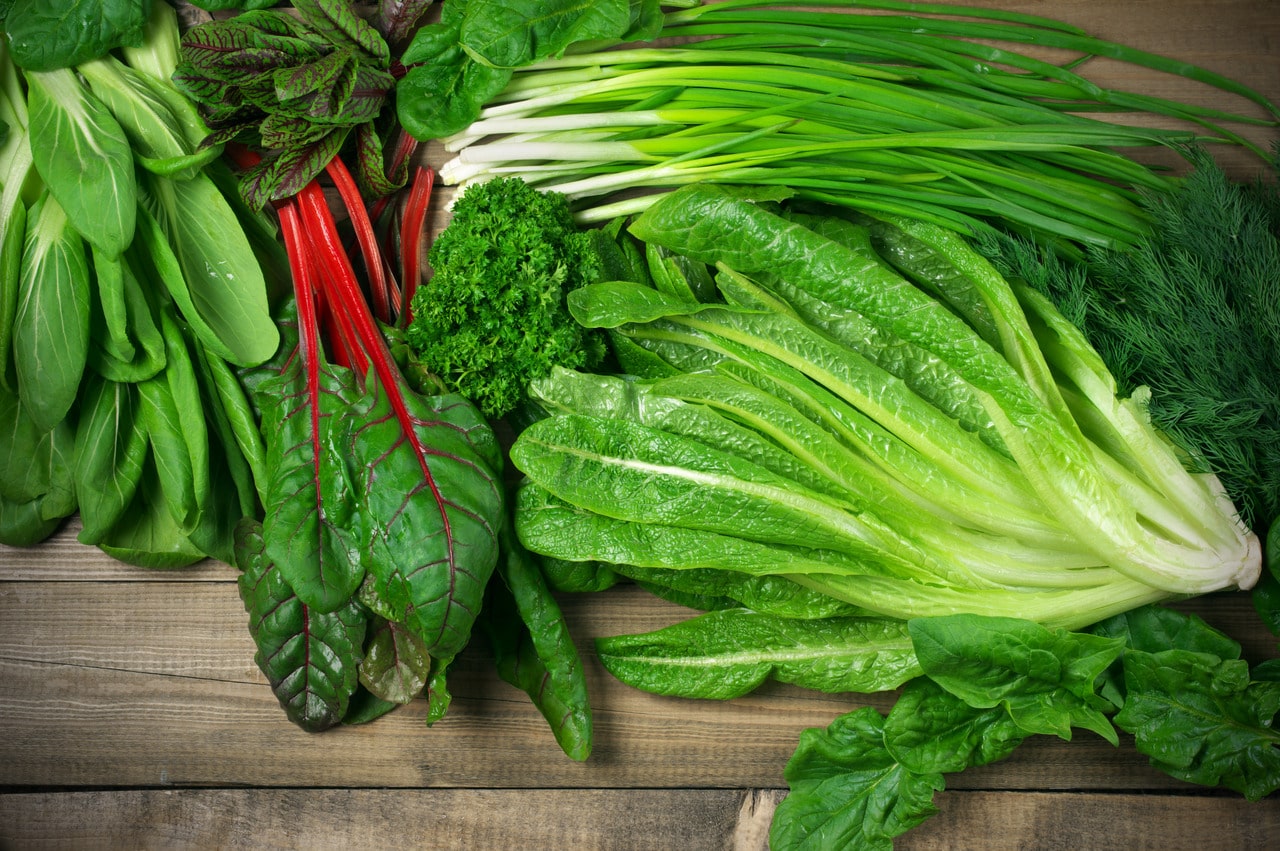
Green leafy vegetables occupy a prominent position in the food pyramid and are an integral part of a well-rounded diet for meeting daily nutrient requirements. Leafy green veggies are among the most popular types of fresh produce. They are the epitome of superfoods, full of various vitamins and minerals.
Leafy greens, which are low in calories and high in fibre, can help control weight. Additionally, certain plant substances in them may reduce the risk of osteoporosis, heart disease, and certain types of cancer. And, yes, they can also be tasty! Here’s an in-depth look at leafy green vegetables.
Leafy Green Vegetables: Nutritional Advantages
Leafy green vegetables, also known as ‘dark green leafy vegetables,’ ‘green leafy,’ or simply ‘greens,’ are edible leaves of various plants. You can eat some of them in their raw form, while others may need some cooking. These veggies are not just delicious; they are packed with essential nutrients, including:
Rich in Vitamins
All leafy greens are like a treasure chest of nature’s vitamins. They bring vitamin A, Vitamin K, vitamin E, vitamin C, beta-carotene, folate, and a variety of B vitamins to the diet. These nutrients play a role in inflammation regulation, diabetes prevention, and even protecting the bones from osteoporosis.
High Mineral Content
Leafy greens are rich in iron, magnesium, potassium, zinc, calcium, phosphorus, and sodium. Spinach is the go-to leafy green for minerals, especially magnesium and iron.
Rich in Antioxidants
Leafy greens are a good source of antioxidants. They have vitamins A and C to boost immunity and keep the skin glowing. And they also have special agents like kaempferol to prevent the formation of cancer cells.
Natural Source of Fibre
Leafy green vegetables are fibre-rich, perfect for lowering cholesterol and keeping the digestive system in the healthiest state. They even help detoxify the body.
Low-Fat Content
Leafy greens are nearly fat-free. Therefore, practically all green, leafy vegetables are beneficial for weight loss.
Summary
Green leafy vegetables are a powerhouse of minerals, vitamins A, B, and k, antioxidants, and fibre. Someone aspiring to lose weight can successfully benefit from their low-fat content. Leafy vegetables include fibre, which helps one feel fuller and keep a calorie deficit. Additionally, they have unique substances like kaempferol that inhibit the growth of cancer cells.
Types of Leafy Green Vegetables and Their Characteristics
Incorporating leafy greens into your diet can significantly contribute to your overall health. Here, we explore a selection of these nutritious greens, highlighting their key characteristics and the benefits they bring to the table.
1. Malabar Spinach (Pui Saag)
Malabar spinach is a climbing plant known for its lush green leaves. These leaves are not only low in calories but also packed with dietary fibre, making them excellent for digestive health. Additionally, they aid in reducing cholesterol absorption and offer immune-boosting properties. When it comes to culinary applications, Malabar spinach is a versatile choice for preparing delicious and nutritious dishes.
2. Moringa (Saijan Saag)
Often referred to as the drumstick tree, Moringa is celebrated for its nutrient-rich leaves. In fact, every part of this tree, especially the leaves, is highly nutritious. Moringa leaves provide significant amounts of protein, essential amino acids, and a wide range of vitamins and minerals. Beyond its nutritional value, Moringa leaves have long been used in traditional remedies to address various health concerns. Adding Moringa leaves to your dishes is an easy way to infuse them with a nutritional boost.
3. Purslane (Kulfa Saag)
Despite being underappreciated, purslane offers numerous health benefits. It’s known for its effectiveness in reducing fever, expelling worms, and alleviating urinary infections. Rich in vitamins A, B, and C, as well as protein and Omega-3 fatty acids, purslane is a versatile addition to regional culinary traditions.
4. Fiddlehead Fern (Lingru)
Fiddlehead ferns are tender and coiled, often enjoyed in regions like Uttarakhand, Himachal Pradesh, and Assam. These ferns are notable for their high antioxidant content, omega-3 fatty acids, and an array of vitamins. Traditionally, they are cooked into a curd-based curry or consumed as a flavorful pickle.
5. Stinging Nettle (Bichu Buti)
Found in the Himalayan region, stinging nettle may cause temporary skin irritation when touched but becomes safe for consumption after cooking. Rich in natural fibres, stinging nettle serves as a diuretic, laxative, and allergy relief remedy. It also supports skin health, bone strength, and urinary well-being when consumed as a cooked green.
6. Water Spinach (Anne Soppu)
Growing wild along river banks and in paddy fields, water spinach is known for its mild, savoury taste. It’s particularly rich in protein and nutrients, with a focus on its leaves and stems. Water spinach can be prepared in various ways, including stir-fries and chutneys.
7. Tamarind Leaves (Imli ka Patta)
Tamarind leaves, often overlooked, offer a tart flavour to dishes along with several health benefits. They contain notable amounts of Vitamin C, fibre, potassium, iron, and calcium, making them a valuable addition, especially in South Indian cuisine.
8. Cassia Tora (Chakramarda Saag)
Found in certain regions, Cassia Tora is a plant often used to create vadas, mixed with coconut and jackfruit seeds or stir-fried. It stands out for its rich iron content and micro-nutrients, contributing to an increase in haemoglobin levels and aiding in toxin removal.
9. Sunsuniya Saag (Sushni Saag)
This aquatic plant is recognised for its curative properties and is rich in vitamins and minerals. It’s traditionally used to address various ailments and is commonly cooked with mustard oil and spices, adding a unique flavour to dishes.
10. Kale
Kale is a nutrient-dense green with a slightly bitter flavour. It’s high in vitamins A, K, B6, C, calcium, potassium, iron, and fibre. Kale supports vision, boosts the immune system, and contains antioxidants to prevent diseases caused by oxidative stress. You can use it in salads, steaming, stir-frying, or making kale chips.
11. Microgreens
These immature greens are packed with colour, flavour, and nutrients, often containing up to 40 times more nutrients than mature greens. They are a versatile addition to salad sandwiches or as a garnish for various dishes.
12. Spinach
Spinach is mild-tasting and rich in various vitamins and minerals, including A, K, folic acid, iron, magnesium, and phosphorus. It supports vision, boosts the immune system, aids digestion, and offers carbs and protein, making it both nutritious and filling. You can include it in soups, sauces, smoothies, or salads for a nutrient boost.
13. Cabbage
Cabbage leaves are succulent and free of hairs, with a waxy coating. They vary in colour, such as grey-green or blue-green. Cabbage contains sulforaphane, potentially offering cancer-protective properties. It supports digestion, may lower cancer risk, and helps maintain healthy blood pressure. It’s ideal for sautes, stir-fries, and fermented dishes like kimchi.
14. Turmeric Leaves
Turmeric leaves have a subtle, earthy flavour and vibrant green colour. They are rich in vitamins A and C, contributing to healthy skin and immune support. These leaves also contain essential minerals that promote overall well-being. Turmeric leaves have anti-inflammatory properties and can be used as natural wraps in traditional cooking.
15. Haak or Collard Greens
Haak or collard greens have a slightly bitter taste and are abundant in vitamins A, C, and K. They support vision, immune function, and healthy blood clotting. Additionally, they provide calcium for strong bones and dietary fibre for digestive health. These greens can be prepared in various ways, such as sautéed or steamed.
Summary
Incorporating leafy green vegetables into your diet offers a multitude of health benefits. From the versatile Malabar spinach, rich in dietary fibre and immune-boosting properties, to Moringa leaves, packed with essential nutrients and used in traditional remedies, these greens provide a nutritional punch. Purslane, often underrated, contributes vitamins and Omega-3 fatty acids, while Fiddlehead Ferns offer antioxidants and vitamins. Stinging Nettle, though initially prickly, supports skin, bone, and urinary health. Water spinach, Tamarind leaves, and Cassia Tora each bring unique flavours and essential nutrients to regional cuisines. Sunsuniya Saag offers curative properties, while Kale, Microgreens, Spinach, Cabbage, Turmeric leaves, and Haak or Collard Greens provide vitamins, minerals, and various health benefits. Incorporating these leafy greens into your meals can be a simple and effective way to enhance your overall well-being.
Health Benefits of Leafy Green Vegetables
Most people link leafy green vegetables primarily with how it aids digestion or weight loss. However, the benefits of these greens go far beyond that. Some offer significant nutrition and health benefits. Such as:
Help in Weight Loss
Leafy greens are incredibly low in calories and rich in fibre, making them a perfect choice for weight loss. They contain vitamin K, which aids in weight management. Additionally, vitamin K reduces inflammation, combat diabetes, prevents plaque build-up in arteries, and delays bone-related issues like osteoporosis. The high fibre content in greens also regulates digestion, helping to maintain a healthy body weight.
Improve Heart Health
Leafy green vegetables are rich in folate, a B vitamin that promotes heart health and prevents specific congenital disabilities. Folate also plays a role in DNA repair and reduces the risk of cancer and colon polyps. Antioxidants in greens reduce the risk of heart disease, making them a heart-healthy choice.
Help in Diabetes Management and Lowering Blood Sugar
Consuming fibre-rich and low-fat green leafy vegetables with every meal helps regulate blood glucose levels. Even adding one extra serving of leafy greens daily can make a significant difference. Veggies like Garden Cress (Halim) and spinach are particularly effective in lowering blood sugar. Their high vitamin C content makes them a valuable addition to the diet of people with diabetes.
Improve Skin and Hair Health
Leafy greens contain beta-carotene, a form of vitamin A, which promotes cell turnover and gives a youthful glow to the skin. Beta-carotene acts as a natural sunscreen, protecting the skin from harmful UV rays. Kale is an excellent source of beta-carotene, and cooking, juicing, or dehydrating kale enhances the body’s absorption of this essential nutrient. Moreover, the vitamins A, C, K, and E in leafy greens contribute to overall skin and hair health.
Improve Digestion and Gut Health
Leafy green vegetables are essential for optimal gut health. They contain innate lymphoid cells (ILCs) that protect the gut against infections and support a healthy immune system response. These ILCs also help maintain a balance between good and bad gut bacteria. Leafy greens facilitate the body’s synthesis of digestive enzymes, which promote nutrient absorption and digestion.
Summary
Green leafy veggies are like the guardian of the immune system. They are rich in micronutrients like beta-carotene, lutein, and zeaxanthin. These micronutrients prevent cell damage and even boost the eyesight. They combat iron deficiency, weight issues, and heart diseases. Greens support an overall healthy body, including skin, bones, and immunity. In order to facilitate the breakdown and absorption of nutrients, leafy greens assist the body in producing digestive enzymes. Owing to their high vitamin C content, vegetables like spinach and garden cress (Halim) are especially good at lowering blood sugar.
Potential Side Effects of Leafy Green Vegetables
While leafy greens offer many health benefits, here are some potential side effects to keep in mind:
- Some greens, like Red Sorrel, Red Amarnath, Kale, and spinach, contain high vitamin K levels, which may interact with blood thinners. If anyone is on blood-thinner medication, it is essential to maintain a consistent vitamin K intake.
- Certain green leafy vegetables contain antinutrients like oxalates, nitrates, and phytates. Consuming food rich in nitrates hinders calcium absorption and potentially leads to kidney stone formation. People should drink more water, and ensuring an adequate calcium intake helps mitigate these risks.
- Eating too many leafy greens might also cause painful gastrointestinal problems. Certain leafy greens, such as kale and collard greens, do contain large amounts of fibre, and eating more than the body can handle may result in gas, bloating, and constipation.
Summary
Although they are incredibly beneficial to health, not everyone can consume green leafy vegetables. Consult the doctor before introducing high-vitamin K greens like spinach and kale to a diet if a person is taking blood thinners. Additionally, stick to a low-oxalate diet and avoid specific greens like spinach if you have kidney stone concerns. In addition, consuming too many leafy greens might result in constipation, bloating, and gas.
HealthifyMe Suggestion
Leafy greens are so versatile and can be used as in sabjis or added into atta to make rotis or along with dal.
Since each area grows different greens its always best to eat what is locally available first.
If you are on a health kick, boost your metabolism in the morning by having green juice made with spinach or kale along with your favourite fruit.
The Final Word
It is vital to include leafy greens in one’s diet. The majority of leafy green vegetables are high in fibre, antioxidants, vitamins, and minerals. Consuming them on a regular basis aids in the prevention of certain illnesses, such as diabetes, skin problems, and heart problems. On the other hand, exercise caution when taking blood thinners, as greens can interact with them. Overconsumption of these greens also has side effects.
Disclaimer: The purpose of this article is just to disperse knowledge and raise awareness. It does not intend to replace medical advice from professionals. For further information, please contact our certified nutritionists Here.
Frequently Asked Questions (FAQs)
Q. What are leafy green vegetables?
A. Leafy green vegetables are a powerhouse of nutrients that help complete a balanced diet. They are rich in minerals and vitamins. Also, they are a good source of fibre, low in calories and fat.
Q. What are the different types of greens available?
A. Several types of greens are available. A few of them are:
Malabar Spinach (Pui Saag)
Moringa (Saijan Saag)
Purslane (Kulfa Saag)
Fiddlehead Fern (Lingru)
Stinging Nettle (Bichu Buti)
Water Spinach (Anne Soppu)
Tamarind Leaves (Imli ka Patta)
Cassia Tora (Chakramarda Saag)
Sunsuniya Saag (Sushni Saag)
Kale
Microgreens
Spinach
Cabbage
Turmeric Leaves
Haak or Collard Greens
Q. What is the nutritional content of leafy green vegetables?
A. The LGVs are a great source of dietary fibre and folate. They are rich in minerals and vitamins like A, C, K, and B-complexes. They also consist of beta-carotene and antioxidants. They have low calories and fat content, helping in weight management.
Q. Can Leafy greens help with weight management and weight loss?
A. GLVs are a great source of vitamin K, and fibre helps to regulate digestion and weight management. They have almost zero calories and low-fat content, promoting it as a nutritious option for healthy weight maintenance.
Q. How do leafy greens contribute to overall health?
A. Leafy greens are a great source of nutrients with numerous health benefits. They help lower blood sugar and maintain diabetes, improve heart and gut health, enhance brain function, and improve skin appearance.
Q. Are leafy greens a good source of dietary fibre?
A. Leafy greens are a vital source of vitamins, minerals and fibre. It helps in lowering cholesterol, improves the digestive system and also helps detoxification of the body.
Q. Can leafy greens support heart health and reduce the risk of heart diseases?
A. Leafy greens are a healthy source of folate vitamin B complexes that promote heart health. It also contains antioxidants that reduce the risks of heart disease.
Q. What role do leafy greens play in improving digestion and gut health?
A. Leafy greens contain innate lymphoid cells that improve gut health and provide a healthy immune system response. ILCs help to balance between good and bad gut bacteria and help to produce digestive enzymes, helping in nutrient absorption.
Q. Are there specific leafy greens that are high in vitamins and minerals?
A. Leafy greens consist of vitamin A, C, K, and B-complexes, along with minerals like potassium, phosphorus, calcium, folate, copper, and iron. They also contain antioxidants, providing several health advantages. Some of them are Indian Pennywort (Brahmi), Indian Sorrel (Changeri), Red Amarnath (Laal Maath/Laal Saag), Garden Cress (Halim), and more.
Q. Can leafy greens help regulate blood sugar levels and prevent diabetes?
A. Green leafy vegetables like garden Cress and Spinach help regulate blood sugar and prevent diabetes. They are rich in vitamin C, which helps in lowering blood sugar levels in people with diabetes.
Q. What are the benefits of leafy greens for skin and hair health?
A. Leafy greens contain beta-carotene, vitamin A, C, K, and E, which helps in protecting the skin from harmful UV radiations. Incorporating GLVs adds vitamin A into the diet, which can give you glowing skin and prevent dry hair.
Q. How should leafy greens be prepared and incorporated into a diet?
A. Try to incorporate leafy greens into a diet in the form of salad, smoothies, soups, curries, pasta, wraps, juices, sandwiches, sauces, and more.
Q. Are there any potential side effects or allergies associated with leafy greens?
A. Consuming too much leafy greens may result in kidney stones, abdominal pain, low blood pressure, and vomiting. Also, the presence of vitamin K in them may interact with blood thinners medications.
Q. Can leafy greens be a part of a vegan or vegetarian diet for essential nutrients?
A. Yes, leafy greens can be a part of a vegan or vegetarian diet, including Broccoli, Cabbage, Spinach, Garden Cress (Halim), Drumstick Leaves (Moringa), Gongura (Roselle Leaves), and Taro Leaves (Arbi ke Patte).
Q. What are some common myths or misconceptions about leafy green vegetables?
A. These are some myths about leafy green vegetables, including:
Fresh GLVs are always best compared to frozen or canned.
Raw greens are better than cooked veggies.
Spinach is high in iron.
The darker vegetables are healthier.
Research Sources
Nutrients and bioactives in green leafy vegetables and cognitive decline: Prospective study
National Institute of Health: Vitamin K
Dietary Fibre Intake and Type 2 Diabetes Mellitus: An Umbrella Review of Meta-analyses
Composition and antioxidant activity of kale (Brassica oleracea L. var. acephala) raw and cooked
Health Benefits and Therapeutic importance of green leafy vegetables (GLVs)
An Overview of Nutritional and Antinutritional Factors in Green Leafy Vegetables
2115 THE IMPACT OF DIETARY CALCIUM AND OXALATE RATIOS ON STONE RISK
INDIAN SORREL: MEDICINE FOR A HEALTHY LIFE
Basella – an Underutilized Green Leafy Vegetable with a Potential for Functional Food Development
Moringa Oleifera is a Prominent Source of Nutrients with Potential Health Benefits
Health Benefits of Moringa oleifera
Garden Cress (Lepidium Sativum) Seeds – An Important Seeds of Medicinal Purpose: A Review
Development of Health Drink Enriched with Processed Garden-Cress (Lepidium sativum L.) Seeds
Nutritional and Therapeutic Benefits of Taro Leaves
Spinach: An important green leafy vegetable and medicinal herb
Nutritional Composition and Antioxidant Properties of Fruits and Vegetables: Chapter 11 – Spinach
