


Growing up, my family didn’t talk about painful experiences, we laughed loudly, cooked big meals, prayed hard, and kept secrets even harder. But silence has a cost, and when we don’t name what hurt us, we pass that unspoken weight to the next generation.
Key Takeaway:
Intergenerational trauma doesn’t have to define your family’s future. Breaking cycles starts with brave conversations, and it’s never too late to begin.
Understanding Intergenerational Trauma
Definition:
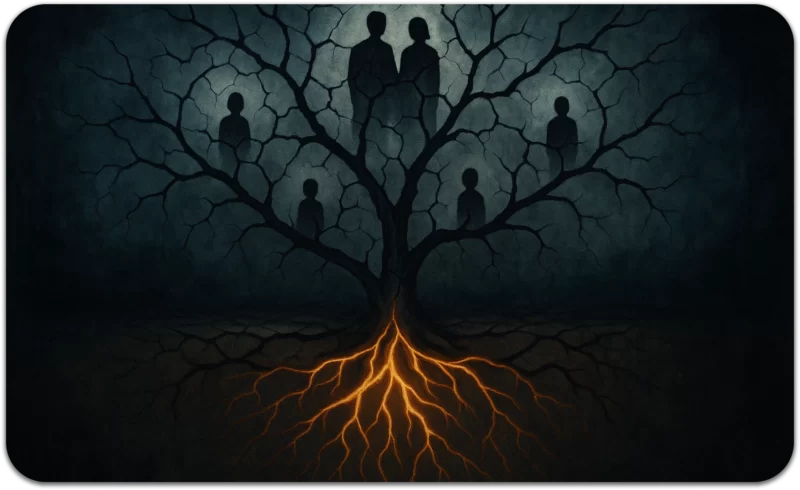
Intergenerational trauma is the emotional and psychological impact of pain passed down through families, often unconsciously. According to the American Psychological Association, intergenerational trauma occurs when descendants of trauma survivors exhibit challenging emotional and behavioral reactions similar to their ancestors.
It can stem from experiences like abuse or neglect, loss and grief, racism and systemic inequities, displacement or immigration stress, and substance use or mental health challenges.
Even when families don’t discuss these experiences, they show up in how we love, parent, communicate, and cope. For many families, silence isn’t denial, it’s survival. Older generations didn’t always have the language, access, or safety to process their pain, so they did the best they could.
Intergenerational trauma occurs when trauma symptoms are present within generations of the same family, beyond the generation of the person who experienced the original trauma. Research shows that trauma’s effects can be transmitted through both psychological and biological pathways, affecting children who never directly experienced the traumatic events themselves. Harvard Medical School research demonstrates that trauma affects not just individuals but entire communities, with effects that can persist across generations.
Why Breaking the Cycle Matters
What isn’t healed gets handed down, sometimes as unspoken expectations, sometimes as repeating patterns, and sometimes as behaviors we promised ourselves we’d never replicate. The good news is that cycles can be broken. Healing begins when we start telling the truth, to ourselves first, then to each other.
These conversations can be awkward, messy, and emotional, but they’re also the doorway to freedom, connection, and peace. When families address intergenerational trauma directly, they create opportunities for healing that can positively impact future generations.
5 Steps to Start Healing Conversations About Intergenerational Trauma
Your Healing Roadmap
Follow these evidence-based steps to begin transformative family conversations
Step 1: Start With Yourself First
Before opening conversations about intergenerational trauma with family members, take time to reflect on your own story. Consider what patterns you want to understand or change, what behaviors you see repeating across generations, and what you need to feel safe having these discussions.
Therapy can be a powerful starting point, giving you tools to process your own emotions before inviting others into the conversation. Understanding your own trauma responses and triggers helps you approach family conversations from a place of strength rather than reactivity. The Substance Abuse and Mental Health Services Administration (SAMHSA) emphasizes that trauma-informed approaches prioritize safety, collaboration, and empowerment; principles that apply to family healing as well.
Step 2: Choose the Right Moment
Timing matters when addressing intergenerational trauma. Avoid launching into deep conversations during high-stress situations or family celebrations. Instead, pick a time when emotions are calmer and privacy is possible.
You might start with: “I’ve been thinking a lot about our family’s history and how it shaped me. Can we talk about it sometime?” This approach invites dialogue instead of defensiveness and gives family members time to prepare mentally for the conversation.
Step 3: Lead With Curiosity, Not Blame
Approach conversations about intergenerational trauma with compassion rather than confrontation. Use “I” statements instead of accusations. For example: “I’ve noticed I struggle with anxiety, and I’m wondering if it connects to what we’ve been through” or “I want to understand our family better, not point fingers.”
This approach invites dialogue instead of defensiveness. Remember that previous generations often had fewer resources and different understandings of trauma and mental health. Leading with curiosity helps create a safe space for honest sharing.
Step 4: Set Boundaries Around Safety
Not every family member will be ready to discuss intergenerational trauma, and that’s okay. Protect your peace by limiting how long or deep the first conversation goes, stepping away if things become heated, and reminding yourself that you’re allowed to seek healing even if others aren’t ready.
Some family relationships may be too damaged or unsafe for these conversations. In cases involving ongoing abuse or dangerous dynamics, professional guidance is essential before attempting family discussions about trauma. Research from Cleveland Clinic shows that family therapy can effectively help families navigate complex dynamics and improve communication patterns.
Step 5: Bring in Professional Support
Some topics related to intergenerational trauma are too heavy to handle alone. Consider inviting a therapist, mediator, or faith leader to help facilitate difficult discussions. Professional support can make the process safer and more constructive.
Trained therapists understand how to navigate conversations about trauma sensitively while helping families develop healthier communication patterns. They can also help identify when individual therapy might be needed alongside family work. Johns Hopkins Medicine research demonstrates that evidence-based therapeutic approaches can significantly improve family functioning and emotional well-being.
The Healing Journey: What to Expect
For my family, the breakthrough came slowly. At first, there were awkward pauses, nervous laughter, and a lot of “I don’t remember that.” But over time, walls began to lower. We started sharing stories we’d never spoken out loud. We cried. We forgave. We agreed that the next generation deserves a different narrative, one rooted in truth, resilience, and connection.
Breaking cycles of intergenerational trauma isn’t about blaming the past, it’s about rewriting the future. The process involves reflecting on your story and where patterns show up, realigning boundaries and relationships with what supports your healing, and rising knowing you are creating space for the next generation to thrive.
Finding Professional Support for Intergenerational Trauma
Working through intergenerational trauma often requires professional guidance. Different therapeutic approaches can help families break cycles of trauma and develop healthier patterns of relating.
Family Systems Therapy
Examines patterns passed down through generations
Trauma-Focused Therapy
Specifically addresses traumatic experiences
Narrative Therapy
Helps families rewrite their stories
Attachment-Based Therapy
Builds secure relationships and heals wounds
Recent meta-analyses published in the Journal of Family Therapy confirm that family-based interventions show strong effectiveness for addressing both childhood behavioral problems and improving overall family functioning.
When choosing a therapist, look for professionals who have specific training in trauma work and family systems. Cultural competency is also important, as trauma and healing can manifest differently across cultural contexts. Harvard’s Program in Refugee Trauma emphasizes that effective trauma treatment must consider cultural, historical, and social contexts for optimal healing outcomes.
FAQ: Common Questions About Intergenerational Trauma
QHow do I know if my family has intergenerational trauma?
Signs may include repeating patterns of behavior across generations, unexplained anxiety or depression in family members, difficulty with emotional regulation or relationships, family secrets or topics that are never discussed, and overreactions to certain triggers or situations.
QCan intergenerational trauma be healed without involving the whole family?
Yes, healing can begin with one person. Individual therapy can help break patterns and prevent transmission to future generations, even if other family members aren’t ready to participate in the healing process.
QWhat if my family refuses to talk about trauma?
Focus on your own healing first. You can still break cycles through individual work, setting boundaries, and changing your own responses to family dynamics. Sometimes your healing journey inspires others to begin their own.
QHow long does it take to heal intergenerational trauma?
Healing is an ongoing process that varies for each family. Some see improvements within months of beginning therapy, while others may need years of work. The key is consistency and commitment to the healing process.
QIs it normal to feel worse before feeling better?
Yes, this is common when addressing intergenerational trauma. Bringing hidden issues to light can initially increase distress, but this typically improves as families develop healthier coping strategies.
Taking the First Step
You don’t have to navigate conversations about intergenerational trauma alone. Our therapist directory connects you with mental health professionals trained in intergenerational healing, family dynamics, and culturally responsive care.
Breaking cycles of trauma is one of the most powerful gifts you can give to future generations. It takes courage to face family patterns and begin these conversations, but the freedom that comes from healing is worth every difficult moment.
Ready to begin your healing journey? Search our directory of qualified therapists who specialize in intergenerational trauma and family healing to find the right professional support for your family’s unique needs.
Ready to Begin Your Healing Journey?
Search our directory of qualified therapists who specialize in intergenerational trauma and family healing to find the right professional support for your family’s unique needs.

The preceding article was solely written by the author named above. Any views and opinions expressed are not necessarily shared by GoodTherapy.org. Questions or concerns about the preceding article can be directed to the author or posted as a comment below.
