

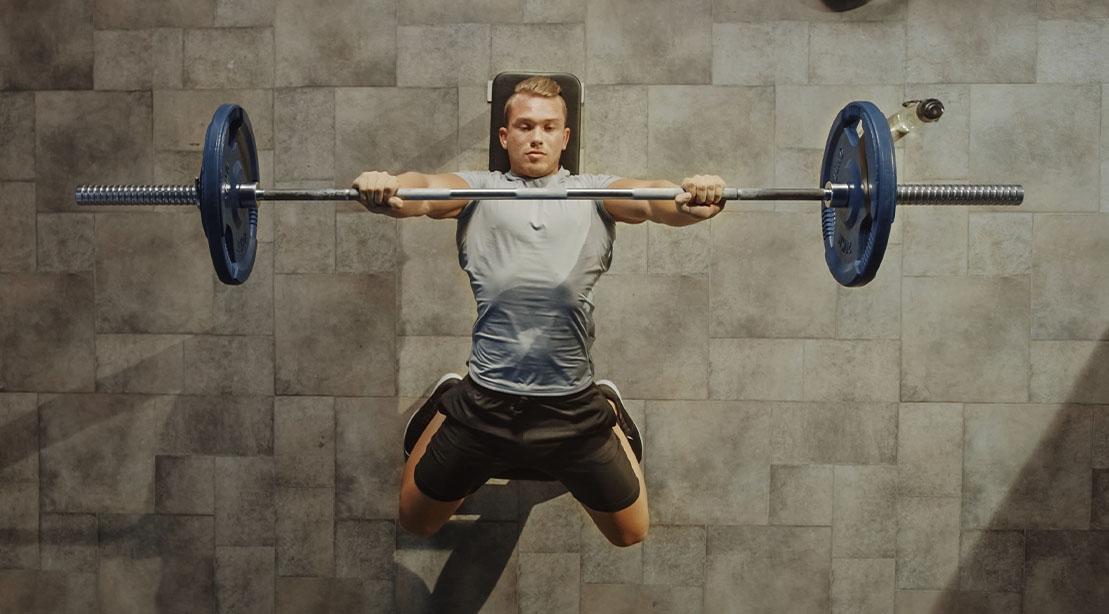
Many lifters think the bench press is all about the pecs. But the pecs aren’t what you need to set before you unrack the bar. Your feet, legs, upper back, grip, and brace need to be locked in. If one of those is off, the bar path gets off track, energy leaks, and ugly reps happen.
No one’s bench will look the same because limb length, mobility, and training goals influence the setup. That’s normal. What doesn’t change are the principles, stable feet, tight upper back, stacked joints, and a controlled unrack. The checklist below focuses on those details that every strong bench press shares. Here, with the help of coach Matt Wenning, a former all-time world record holder in powerlifting who has benched 611 pound raw and maintained a 500-plus-pound bench press for over 26 consecutive years. We will both walk you through a seven-step checklist before you lower the bar to your chest.
The Ultimate Bench Press Setup Checklist
I understand we are all in a hurry and want to get to the good stuff sooner. But stopping, pausing, and going through these setup steps will keep your press safe and strong.
Step 1: Body Position
Before you grip the bar or even think about pressing, you need to own your position on the bench. A strong bench press starts with how you position your body, which gives you a consistent starting point for your grip, arch, and unrack.
- Slide onto the bench so your eyes are directly under or slightly behind the bar
- Keep your head, upper back, and glutes in contact with the bench
Internal cue: Retract your shoulder blades hard into the bench and think about pulling them down toward your back pockets.
External cue: Set your eyes directly under the bar in the rack.
The Wenning Tip: The key is getting your eyes under the barbell. Get that right before you grip it.
Step 2: Foot Position and Foot Drive
The legs are a primary foundation of the bench press. A stable lower body allows force to transfer from the floor, through the torso, and into the bar while counterbalancing the upper body. Wenning treats leg drive as a technical skill — foot position and pressure should be deliberate, consistent, and locked in before the unrack.
- Plant your feet firmly on the floor—flat or on the balls of the feet, depending on comfort and mobility.
- Position your feet slightly outside hip width to improve stability. Wenning explains there’s a point to this base. “This wider base improves stability, allows more consistent leg drive, and makes it easier to maintain tension throughout the press.”
- Drive your feet hard into the floor without lifting the glutes, but Wenning warns you not to go crazy. “Pull your feet back as far as your mobility allows — this creates tension through the legs while inhibiting excessive hip rise.”
Internal cue: Push through your feet.
External cue: Drive the floor away.
The Wenning Tip: If your feet slide or your hips come off the bench, the rep is compromised. Stop the set, rerack the bar, and rebuild full-body tension before pressing again.
Step 3: Rooting and Lower-Body Tension
To press big, you need to turn your lower body into a stable anchor. Rooting your feet and creating tension through your legs and hips keeps your torso solid and your bar path clean. This lower-body tension is your counterbalance, allowing force to travel from the floor, through your torso, and into the bar.
- Screw your feet into the floor by creating slight external rotation at the hips
- Keep steady pressure through the foot
- Squeeze your glutes to lock your pelvis in place
Internal cue: Glutes tight, legs loaded. External cue: Spread the floor with your feet.
The Wenning Tip: If your knees cave in or your hips shift while pressing, you lost your root. Reset and rebuild tension before the next rep.
Step 4: Grip Width and Hand Position
Your grip sets the tone. Get it wrong and your elbows flare, wrists hyperextend, and the shoulders take a hit. Get it right, and the bar moves more smoothly and safely. A firm grip turns on your forearms, lats, and upper back, creating full-body tension before the press.
- Take an even grip on the bar; use the knurling or rings to match both sides
- Set your hands just outside shoulder width, but adjust based on comfort
- Place the bar low in the palm, not up in the fingers
- Hands and wrists in line with your elbows
Internal cue: Crush the bar in your hands.
External cue: Bend the bar in half.
The Wenning Tip: If your wrists bend back as soon as you unrack, stop, rerack, and reset before you press. Think of the grip like a punch—straight wrists, stacked joints, and full thumb contact. A thumbless grip is a weaker, less stable position for heavy benching.
Step 5: Scapular Position and Upper-Back Tension
Creating a stable base with your upper back before you start helps keep the bar path on track and shortens the range of motion without compromising rep quality.
- Pull your shoulder blades down and back before unracking
- Let your chest rise naturally from scapular tension
- Think of your upper back as the primary contact point with the bench
Internal cue: Pin your shoulder blades into your back pockets.
External cue: Crush the bench with your upper back.
The Wenning Tip: If your shoulders roll forward as the bar touches your chest, you’ve lost tension. Reset the rep.
Step 6: Breathe and Brace
Without a proper breath and brace, the rib cage flares, the arch collapses, and strength leaks before the press even begins. Creating strong intra-abdominal pressure stabilizes the spine and keeps your pressing mechanics consistent from unrack to lockout.
- Take a deep 360-degree diaphragmatic breath
- Expand your belly, sides, and lower back
- Brace your core as if preparing to take a punch
Internal cue: Fill the belly with air.
External cue: Push your abs into your belt.
The Wenning Tip: Benching with a belt can be effective for many lifters. Driving the abs into the belt increases intra-abdominal pressure, improves torso stability, and helps transfer leg drive into the press without losing position.
Step 7: The Unrack
If you press the bar out of the hooks or lose upper-back tension during the handoff, you’re already at a disadvantage—a clean, unracked set-up positions you for a strong press.
- Keep your arms straight.
- Pull the bar out of the rack—think pullover, not push.
- Guide the bar into a stacked position over your shoulders.
Internal cue: Arms long, shoulders tight.
External cue: Pull the bar out of the rack.
The Wenning Tip: If you feel your shoulders shift or your elbows bend during the unrack, stop and reset. A sloppy unrack places the shoulders in a compromised position and increases the risk of injury before the rep even starts. A clean, unracked setup keeps the joints stacked, the lats engaged, and the press safe and repeatable.

The Green Light Checklist
Before starting, take one deep breath and run this final system check. It takes a second or two, but it ensures you start from a position of strength.
- Feet rooted and driving into the floor
- Legs tight, knees pushed out
- Glutes engaged, hips on the bench
- Shoulder blades pinned, upper back locked in
- Grip tight and even, wrists stacked over elbows
- Brace solid, ribs down
- Bar stacked over shoulders
When everything’s locked in, lower the bar and drive it with power. If not, the fixes are outlined below — reset, refine, and press the right way.
Common Setup Mistakes
Common bench press setup mistakes stem from poor position and a lack of tension. Fixing these before you unrack will do more for your press than most accessory work.
- Foot and Lower Body Position
Many lifters bench with their feet out of position, ignore them entirely, or worse, place them on the bench — all of which eliminate leg drive and compromise full-body stability.
Fix: Plant both feet where you can keep contact with the floor with some heel pressure. Think “hard legs, quiet hips” as you drive your feet backward through the floor to create full‑body tension while keeping your glutes on the bench. - Not Setting Your Upper Back
Lying flat and loose with the shoulder blades spread rather than retracted and depressed is a non-starter. This loose position disrupts bar path consistency and shifts excessive stress onto the anterior shoulders.
Fix: Before you lie down, grab the bar and “pull” yourself under it, then pinch your shoulder blades together and down toward your back pockets. Doing so creates a mild-to-moderate thoracic arch and a stable base to press from. - Grip, Wrist, and Elbow Position
Gripping too wide, letting the bar sit up in the fingers, or benching with flared elbows are classic errors that beat up the shoulders and wrists.
Fix: Use a consistent grip width (e.g., index on ring or middle on ring) so the forearm is vertical. Place the bar low in the palm, close to the heel of the hand, then wrap the thumb and crush the bar so the wrist stacks straight over the forearm instead of hyperextending. - Rack And Unrack
Being set too far down the bench so you have to “bench” the bar out of the hooks is another common setup problem. It’s a double whammy. You’re wasting energy and putting your anterior shoulder at risk.
Fix: Set the J‑hooks so the bar is just high enough that you only need a small elbow extension to clear them. Position yourself so the bar is roughly over eye level; unrack by pulling the bar out using your lats, not by pressing it up and forward out of the hooks.
