

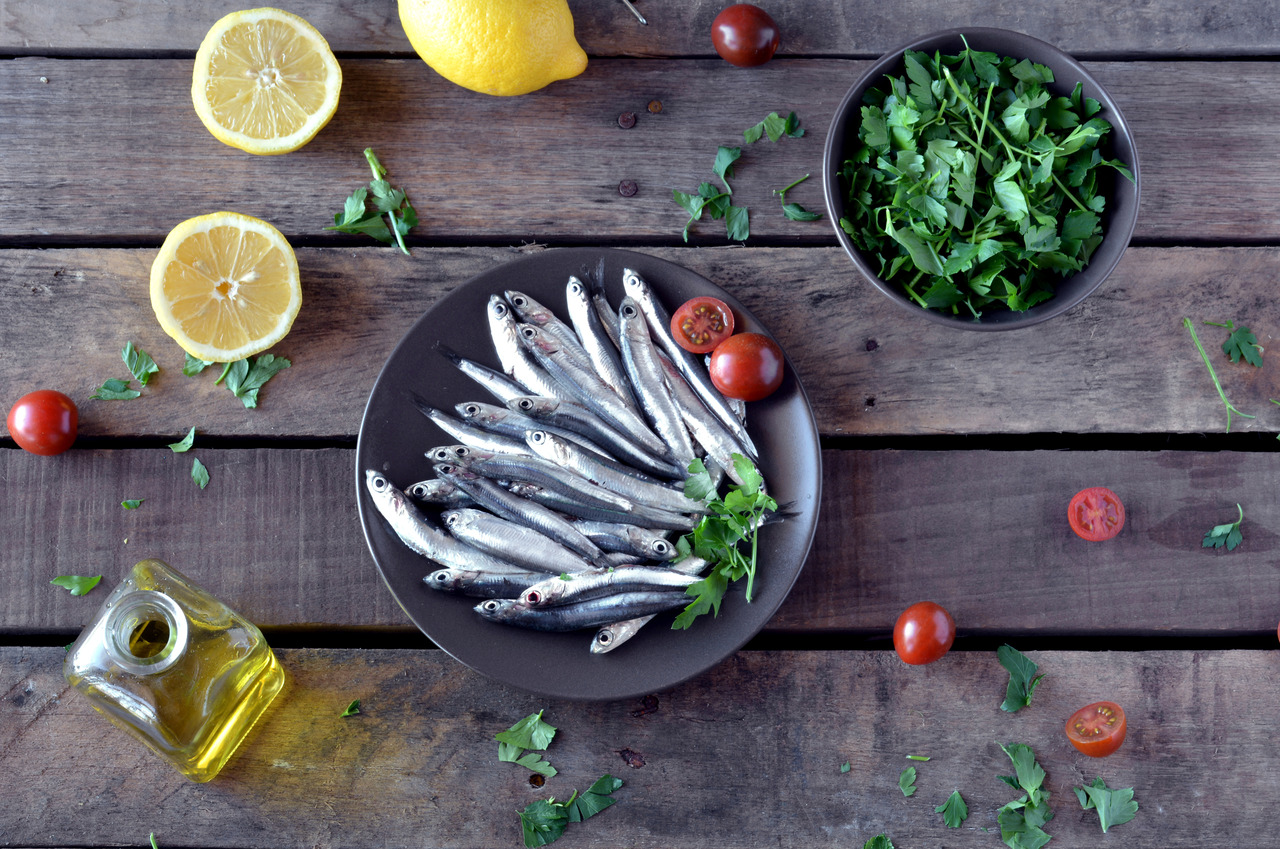
Anchovies are small, saltwater fish belonging to the Engraulidae family. They are commonly found in the Mediterranean and other temperate waters. These fish have slender bodies and silver-colored skin with a bluish-green hue. Anchovies are known for their strong, distinct flavor and are often used in various cuisines, such as salads, pizzas, and pasta dishes. They are typically cured or preserved in salt, oil, or vinegar. Due to their high nutritional value and rich omega-3 fatty acid content, anchovies are also popular in the production of fish oil and dietary supplements.
Anchovies enjoy widespread popularity due to their unique and strong flavor. They are a staple in various cuisines around the world, appreciated for their distinct taste and versatile culinary uses. But along with this, it also has various health benefits which will be explored in this article.
Nutritional Profile of Anchovies
100 g of Anchovies contain:
Calories: 164 cal
Protein: 19.3 g
Fats: 9.6 g
Carbohydrates:0.2 g
Fibre: 0 g
Sodium: 212 mg
Anchovies are not only prized for their taste but also for their impressive nutritional profile. These small fish are a great source of high-quality protein, supplying all the essential amino acids needed by the body. They are rich in omega-3 fatty acids, which contribute to heart health, brain function, and reducing inflammation. Anchovies are also packed with important vitamins and minerals such as calcium, iron, magnesium, and vitamin B12, which support bone health, red blood cell production, and overall well-being. Their nutritional density makes them a valuable addition to a balanced diet.
Health Benefits of Anchovies
Anchovies offer several health benefits due to their unique nutritional composition. Some of the key health benefits of anchovies include:
1. Excellent for Heart Health
Anchovies offer significant advantages in promoting heart health. They are rich in omega-3 fatty acids, which possess anti-inflammatory properties and aid in reducing triglyceride levels, enhancing blood pressure regulation, and improving overall cardiovascular function. Studies suggest that omega-3 fatty acids are known to decrease the risk of heart disease by supporting healthy cholesterol levels. By incorporating anchovies into your diet, you can effectively contribute to a healthier heart and reduce the likelihood of cardiovascular complications.
2. Rich with Nutrients
Anchovies are highly nutrient-dense little fish. They are packed with essential nutrients, including protein, omega-3 fatty acids, calcium, iron, magnesium, and vitamin B12. Their protein content promotes muscle growth and repair, while omega-3 fatty acids support brain health and reduce inflammation. Anchovies also provide minerals like calcium and iron for strong bones and healthy blood production. Additionally, the presence of vitamin B12 aids in nerve function and the production of red blood cells. Despite their small size, anchovies offer a powerhouse of nutrients beneficial for overall health.
3. Improves Brain Health
Anchovies contribute to brain health due to their high omega-3 fatty acid content. These fatty acids, particularly docosahexaenoic acid (DHA), play a vital role in brain development and function. DHA helps maintain the structure of brain cells, supports communication between neurons, and promotes overall cognitive function.
Research suggests that consuming omega-3 fatty acids, such as those found in anchovies, may reduce the risk of age-related cognitive decline and improve memory and learning abilities. Including anchovies in your diet can be beneficial for supporting optimal brain health and function.
4. Lowers LDL Levels
Ths small fish can help lower cholesterol levels due to their omega-3 fatty acid content. Omega-3s have been shown to reduce LDL cholesterol, commonly known as “bad” cholesterol, while increasing HDL cholesterol, known as “good” cholesterol. This balance helps to improve overall cholesterol profiles and decrease the risk of heart disease. Incorporating anchovies into your diet can be a healthy choice for managing cholesterol levels.
5. Prevent Chronic Degenerative Diseases
Anchovies can potentially help prevent chronic degenerative diseases due to their rich nutrient profile. Various trials prove that omega-3 fatty acids possess anti-inflammatory properties that may reduce the risk of diseases like cardiovascular disorders, fatty liver diseases, arthritis, and certain types of cancer. Additionally, anchovies are a source of antioxidants, vitamins, and minerals that support overall health and cellular function, potentially contributing to the prevention of chronic degenerative diseases.
6. Reduces Inflammations
They have the potential to reduce inflammation in the body. They are rich in omega-3 fatty acids, specifically eicosapentaenoic acid (EPA) and docosahexaenoic acid (DHA), which have been shown to possess anti-inflammatory properties. These fatty acids can help decrease the production of inflammatory molecules and reduce inflammation throughout the body. Including anchovies in your diet may contribute to managing and reducing inflammation-related conditions.
7. Strengthen Bones
Anchovies can contribute to bone strength due to their nutrient composition. They are a good source of calcium, which is crucial for maintaining healthy bones and teeth. Calcium is necessary for proper bone formation, density, and strength.
Anchovies also contain vitamin D, which helps with calcium absorption and utilization. Vitamin D plays a vital role in regulating calcium levels in the body, promoting bone health. Including anchovies in your diet can provide essential nutrients that support bone strength and reduce the risk of osteoporosis and other bone-related conditions.
8. Protects the Immune System
are rich in nutrients like vitamin A, vitamin C, vitamin E, zinc, and selenium, which play essential roles in supporting immune function. These nutrients help strengthen the immune system by enhancing the production of immune cells, promoting antioxidant activity, and aiding in the body’s defense against pathogens.
Additionally, anchovies contain omega-3 fatty acids that possess anti-inflammatory properties, which can modulate immune responses and reduce excessive inflammation. By including anchovies in your diet, you can provide your body with nutrients that support a robust immune system and overall health.
Summary
Anchovies offer a range of health benefits. They promote heart health by reducing triglycerides and improving cardiovascular function. Nutrient-dense, they provide protein, omega-3s, calcium, iron, magnesium, and vitamin B12, supporting muscle growth, brain health, and bone strength. Anchovies lower LDL cholesterol, prevent chronic diseases, reduce inflammation, and strengthen the immune system. With their rich nutrient profile, incorporating anchovies into your diet can contribute to improved overall health.
Precautions While Consuming Anchovies
- Mercury Concerns: As with many fish, anchovies may contain trace amounts of mercury. While the levels are generally low, it is advisable to vary your seafood consumption and avoid excessive intake, especially for pregnant women, nursing mothers, and young children.
- Allergy Risk: Some individuals may be allergic to anchovies. Allergic reactions can range from mild symptoms like itching, hives, or digestive issues to more severe reactions such as difficulty breathing or anaphylaxis. If you have known seafood allergies, exercise caution when consuming anchovies or consult an allergist for guidance.
- Interactions with Medications: If you are taking certain medications, such as blood thinners or antiplatelet drugs, it’s important to consult your healthcare provider before consuming anchovies. Omega-3 fatty acids in anchovies may have potential interactions with these medications.
It’s advisable to consult with a healthcare professional or registered dietitian if you have specific health concerns, dietary restrictions, or questions regarding the consumption of anchovies.
Recipes
Anchovy Sauce
Ingredients
- 2 ounces of anchovies packed in olive oil, drained
- 1 clove of garlic
- 1 sprig of fresh thyme or 1/4 teaspoon dried thyme
- 2 teaspoons of Dijon mustard
- 1.5 tablespoons of red wine vinegar
- Freshly ground black pepper, to taste
- 1 cup of virgin olive oil
Method:
- 1. Combine anchovies, garlic, thyme, Dijon mustard, red wine vinegar, and pepper in a blender or food processor.
- 2. Puree for about 1 minute.
- 3. Blend the anchovy sauce. With the machine running, add the olive oil in a thin stream and process until the mixture is thick and smooth.
Anchovy Orange Salad
Ingredients:
- 150 g of anchovy fillets marinated in oil
- 100 g of arugula
- 125 g of cherry tomatoes, cut in half
- 50 g of watercress
- 1 small red onion, cut into thin slices
- 3 spring onions, sliced into rings
- 1 orange, peeled and thinly sliced
- 1 teaspoon lemon juice
- 1 teaspoon olive oil
- salt and black pepper
Method:
- Arrange the arugula and watercress on plates; add the tomatoes, orange slices, and anchovies.
- Sprinkle it with red onion and scallions.
- Mix lemon juice, olive oil, salt, and pepper and make a vinaigrette.
- Pour on the salad and mix.
HealthifyMe Suggestion
Anchovies are a particularly good source of omega-3 lipids. Omega-3 fatty acids aid in the reduction of inflammation and the maintenance of the health of all cells in the body, particularly the fatty tissues of the eyes, brain, and nervous system. The nutrients in each meal may help you lose weight, maintain bone health, and protect your heart. They are not only one of the most sustainable species of fish, but they are also low in mercury, versatile, and simple to incorporate into your diet. Anchovies have a savoury, salty, and delicious flavour that complements everything from sauces to pasta meals and pizzas. Anchovy paste (ground anchovies) is also available to enhance the flavour of stews and soups.
Conclusion
Incorporating anchovies into your diet can offer numerous health and culinary advantages. From a health perspective, anchovies are packed with protein, omega-3 fatty acids, vitamins, and minerals, making them a valuable addition to a balanced diet. These tiny fish are known to promote heart health by reducing cholesterol levels and supporting cardiovascular well-being. Additionally, the omega-3 fatty acids found in anchovies contribute to brain health, enhancing cognitive function and potentially benefiting memory, concentration, and mood.
From a culinary standpoint, anchovies offer versatility in a wide range of dishes. Whether used as a topping, flavor enhancer, or as a main ingredient, anchovies add a unique and savory taste to various cuisines.
Disclaimer: The purpose of this article is just to disperse knowledge and raise awareness. It does not intend to replace medical advice from professionals. For further information please contact our certified nutritionists Here
Frequently Asked Questions (FAQs)
1. Are anchovies good for you?
Yes, anchovies are generally considered good for you due to their nutritional composition. They are rich in protein, omega-3 fatty acids, vitamins (such as vitamin B12, vitamin D, and vitamin A), and minerals (including calcium, iron, and selenium). These nutrients offer various health benefits, including supporting heart health, brain function, and bone strength.
2. Are anchovies safe in pregnancy?
Anchovies can be safely consumed in pregnancy, but it’s essential to follow certain guidelines. Pregnant women should opt for cooked or canned anchovies rather than raw or undercooked ones, as the latter may carry a risk of foodborne illnesses. Additionally, pregnant women should consider the sodium content of anchovies and consume them in moderation, as excessive sodium intake can lead to fluid retention and increased blood pressure.
3. Do anchovies have more omega-3 than salmon?
No, anchovies do not typically have more omega-3 fatty acids than salmon. While anchovies are a good source of omega-3 fatty acids, salmon is renowned for its high omega-3 content. Salmon, particularly wild-caught varieties like sockeye or chinook, typically provide more omega-3 fatty acids per serving compared to anchovies. However, both anchovies and salmon can contribute to a healthy omega-3 intake.
4. Are anchovies bad for cholesterol?
Anchovies are not necessarily bad for cholesterol. In fact, the omega-3 fatty acids found in anchovies can have a positive effect on cholesterol levels. Omega-3 fatty acids have been shown to help lower triglyceride levels and reduce the risk of heart disease. However, it’s worth noting that anchovies are relatively high in sodium, which may affect individuals with certain cholesterol-related conditions or dietary restrictions. It’s advisable to consume anchovies in moderation and consider the overall balance of your diet.
5. Is it safe to eat anchovies every day?
Eating anchovies every day can be safe for most people, but it’s important to maintain a balanced and varied diet. While anchovies offer several nutritional benefits, consuming them in excess may lead to a high intake of sodium or other compounds present in the fish. It’s recommended to practice moderation and incorporate a wide range of foods to ensure a diverse nutrient intake.
6. Can you eat anchovies straight from the tin?
Yes, you can eat anchovies straight from the tin. Anchovies are often sold in cans or jars and can be enjoyed as they are or used as an ingredient in various dishes. They are commonly used as a topping or ingredient in salads, sandwiches, pizzas, pasta sauces, and more. The strong and salty flavor of anchovies is appreciated by many, but it’s important to note that their taste can be intense and may not be to everyone’s liking.
Research Sources
- Seafood Long-Chain n-3 Polyunsaturated Fatty Acids and Cardiovascular Disease
https://www.ncbi.nlm.nih.gov/pmc/articles/PMC6903778/ - Chemical composition and nutritional value of Anchovy (Stolephorus commersonii) caught from Kerala coast, India.
https://www.researchgate.net/publication/257928079_Chemical_composition_and_nutritional_value_of_Anchovy_Stolephorus_commersonii_caught_from_Kerala_coast_India - Study links omega-3s to improved brain structure, cognition at midlife
https://news.uthscsa.edu/study-links-omega-3s-to-improved-brain-structure-cognition-at-midlife-2/ - Administration of Protein Hydrolysates from Anchovy (Engraulis Encrasicolus) Waste for Twelve Weeks Decreases Metabolic Dysfunction-Associated Fatty Liver Disease Severity in ApoE–/–Mice
https://www.ncbi.nlm.nih.gov/pmc/articles/PMC7762029/
