

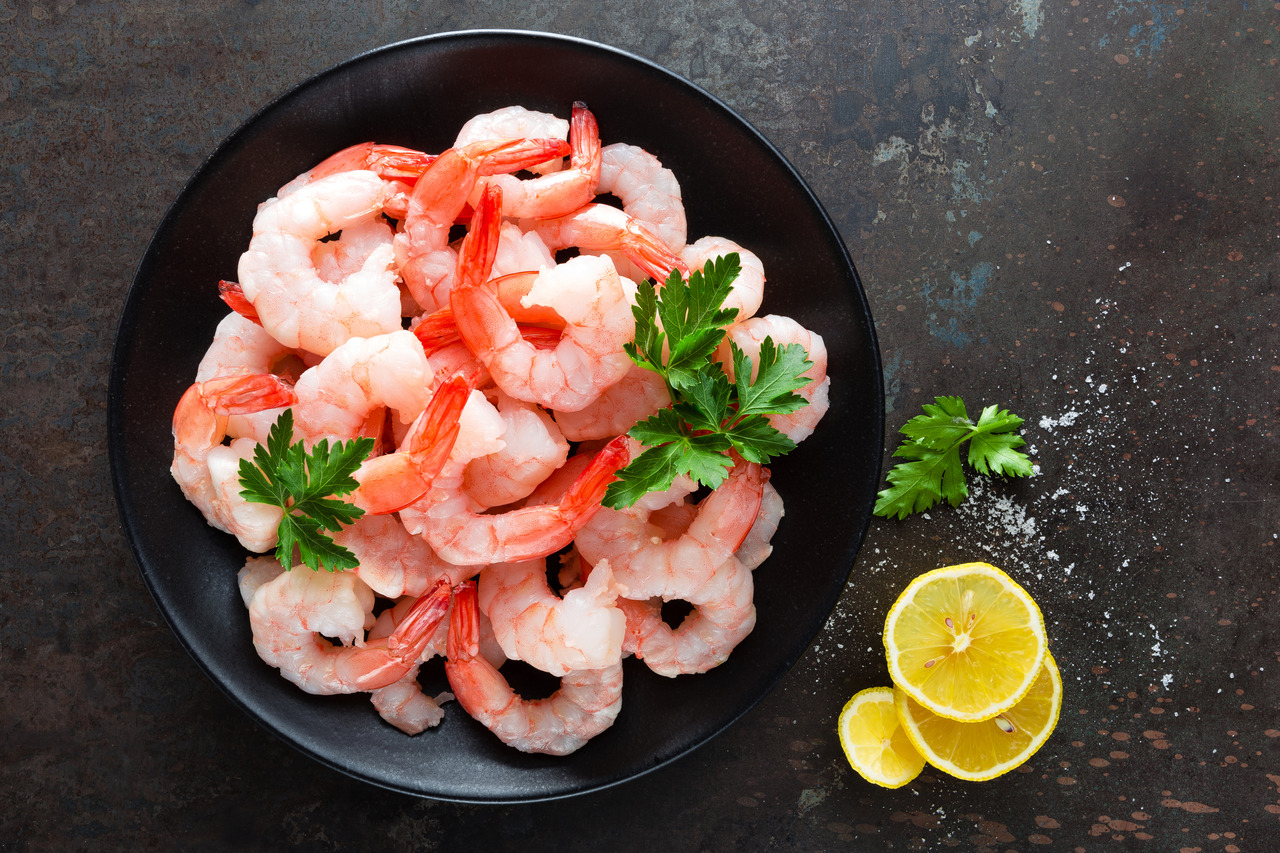
Prawns and shrimp are two popular seafood options that often find their way onto our plates. These crustaceans, although similar in many ways, have distinct characteristics that set them apart. One of the key aspects to consider when comparing prawns and shrimp is their nutritional composition. Understanding the nutritional differences between these two delicacies can help individuals make informed choices about their dietary preferences and health goals. Whether you are aiming to increase your protein intake, reduce your fat consumption, or incorporate specific vitamins and minerals into your diet, knowing the distinctions between prawns and shrimp can guide your decision-making process.
In this article, we will delve into the nutritional composition of prawns and shrimp, exploring their calorie content, protein and fat levels, as well as the vitamins and minerals they provide. Additionally, we will examine the health benefits associated with consuming prawns and shrimp, such as their omega-3 fatty acid content and antioxidant properties. Furthermore, we will discuss various considerations to keep in mind when choosing between prawns and shrimp, including allergies and cooking methods.
Prawn and Shrimp: Difference In Physical Characteristics
Prawns and shrimp have distinct differences in their appearance, which can help differentiate between the two. Here are some key characteristics:
- Size: Prawns are generally larger than shrimp. They can range in size from small to jumbo, with some prawns growing up to a foot in length. Shrimp, on the other hand, are typically smaller in size, with the average length ranging from 1 to 6 inches.
- Body Shape: Prawns have a longer, more elongated body shape compared to shrimp. Their bodies are typically straighter and more slender. In contrast, shrimp have a curved body shape, forming a distinct “C” or “S” shape.
- Body Segments: Prawns have three distinct body segments: the head, thorax, and abdomen. The head is typically larger and more prominent, with well-developed pincers. Shrimp also have three body segments, but their heads are usually smaller and less pronounced compared to prawns.
- Legs and Pincers: Prawns and shrimp both have 10 legs, but their pincers differ in structure. Prawns have larger, more muscular pincers on their first three pairs of legs, which they use for capturing prey and defence. Shrimp have smaller pincers and tend to be less muscular.
- Colouration: The colouration of prawns and shrimp can vary depending on the species and habitat. Prawns often have a darker colouration, ranging from brownish to deep red or even black. Shrimp, on the other hand, can exhibit a wider range of colours, including shades of pink, grey, brown, and greenish tones.
- Shell Texture: Prawns generally have a rougher, more textured shell compared to shrimp. Their shells can be spiny and have a thicker, slightly harder texture. Shrimp shells are typically smoother and softer.
It’s important to note that the appearance of prawns and shrimp can vary among different species and geographical regions. In some cases, there may be overlapping physical characteristics, making it challenging to distinguish between the two solely based on appearance. When in doubt, it’s best to refer to the specific species or consult with seafood experts to ensure accurate identification.
Nutritional Composition Of Prawn and Shrimp
Caloric Content
- Prawns generally contain around 115-120 calories per 100 grams. The calorie content can vary based on the specific species, size, and cooking method.
- Shrimp typically have approximately 85-90 calories per 100 grams. Again, the exact calorie count may vary depending on the species, size, and preparation.
Protein Content
- Prawns are known for their high protein content. They provide approximately 20-24 grams of protein per 100 grams. Protein is crucial for muscle development, tissue repair, and overall growth and maintenance of the body.
- Shrimp also offer a substantial amount of protein, with around 18-20 grams per 100 grams. Protein plays a vital role in various bodily functions, including enzymatic reactions, hormone production, and immune system support.
Fat Content
Types of fats in prawns and shrimp:
- Both prawns and shrimp contain a mix of saturated and unsaturated fats.
- They are also a source of omega-3 fatty acids, which are beneficial for heart health, brain function, and reducing inflammation in the body.
Comparison of fat content between prawns and shrimp:
- Prawns generally have a lower fat content compared to shrimp. They contain approximately 1-2 grams of fat per 100 grams.
- Shrimp, on the other hand, have slightly higher fat levels, averaging around 1.5-3 grams per 100 grams.
(It’s worth noting that the fat content may vary depending on the cooking method and the specific species of prawns or shrimp.)
Vitamins and Minerals
Essential vitamins and minerals in prawns:
Prawns are a good source of several essential vitamins and minerals, including:
- Vitamin B12: Important for nerve function and the production of red blood cells.
- Vitamin E: Acts as an antioxidant and helps protect cells from damage.
- Selenium: Plays a crucial role in antioxidant defence and supports immune function.
- Zinc: Essential for immune system function, cell growth, and wound healing.
Essential vitamins and minerals in shrimp:
Shrimp provide essential vitamins and minerals, including:
- Vitamin D: Supports calcium absorption and promotes bone health.
- Vitamin B12: Necessary for red blood cell formation and nerve function.
- Phosphorus: Important for bone health, energy production, and DNA synthesis.
- Copper: Required for the production of red blood cells and collagen synthesis.
Health Benefits OF Prawns and Shrimp
Eye Health
Prawns and shrimp are rich in nutrients that support eye health, such as omega-3 fatty acids, astaxanthin, and vitamin A. Omega-3 fatty acids and astaxanthin have been associated with a reduced risk of age-related macular degeneration (AMD) and improved visual function. Research proves that vitamin A is essential for maintaining good vision and plays a role in protecting the surface of the eyes.
Brain Function
The omega-3 fatty acids found in prawns and shrimp are crucial for optimal brain function and development. Studies have shown that omega-3 fatty acids may help improve cognitive function and memory, and reduce the risk of cognitive decline. Including prawns or shrimp in the diet can contribute to overall brain health and potentially reduce the risk of neurological disorders.
Immune System Support
Prawns and shrimp provide essential nutrients, including selenium, zinc, and vitamin B12, which support a healthy immune system. According to studies, selenium and zinc are involved in immune function, while vitamin B12 plays a role in the production of immune cells. Adequate intake of these nutrients from prawns or shrimp can help support immune system function and protect against infections and diseases.
Weight Management:
Prawns and shrimp are low in calories and fat while being high in protein. Research shows that high-protein foods like prawns and shrimp can help increase satiety, reduce appetite, and support weight management. Incorporating prawns or shrimp into a balanced diet can be beneficial for those looking to manage their weight or support weight loss goals.
Bone Health
Prawns and shrimp contain minerals such as phosphorus and copper, which are important for bone health. Studies indicate that phosphorus is a vital component of bone structure, while copper contributes to collagen production and bone strength. Including prawns or shrimp in the diet can help support strong bones and reduce the risk of osteoporosis.
Heart Health
The combination of omega-3 fatty acids, low saturated fat content, and antioxidants found in prawns and shrimp contributes to heart health. As per research, Omega-3 fatty acids help reduce inflammation, lower blood pressure, and improve cholesterol levels, reducing the risk of heart disease. The low saturated fat content in prawns and shrimp supports maintaining healthy cholesterol levels and cardiovascular function.
Energy Production
Prawns and shrimp are good sources of B vitamins, including vitamin B6 and niacin (vitamin B3). These B vitamins play a crucial role in energy production by helping convert food into usable energy, as indicated in this study. Adequate intake of B vitamins from prawns or shrimp can support overall energy levels and metabolism.
Collagen Formation
Prawns and shrimp contain nutrients that support collagen formation, such as vitamin C and copper. Collagen is a protein that provides structure to the skin, bones, tendons, and other connective tissues. Including prawns or shrimp in the diet can support collagen production, which is important for maintaining skin elasticity and joint health.
Mood Regulation
Omega-3 fatty acids found in prawns and shrimp have been linked to improved mood and mental well-being. Studies have shown that omega-3 fatty acids may help reduce symptoms of depression and support overall mental health. Incorporating prawns or shrimp into the diet may contribute to a positive mood and emotional balance.
Anti-Inflammatory Effects
Prawns and shrimp contain anti-inflammatory compounds, including omega-3 fatty acids and astaxanthin. Research links chronic inflammation with various diseases, including heart disease, diabetes, and certain types of cancer. Consuming prawns or shrimp, which have anti-inflammatory properties, may help reduce inflammation and lower the risk of chronic diseases.
Skin Health
The combination of omega-3 fatty acids, antioxidants, and minerals found in prawns and shrimp can promote healthy skin. Scientific studies prove that omega-3 fatty acids and antioxidants help protect the skin from oxidative stress and damage caused by free radicals. Furthermore, research indicates that the mineral content, including selenium and copper, supports skin health by aiding in collagen production and promoting wound healing.
Muscle Function
Prawns and shrimp are rich in high-quality protein, which is essential for muscle growth, repair, and maintenance. As per research, protein is crucial for muscle function and can help support physical performance and recovery from exercise. Including prawns or shrimp in a balanced diet can provide the necessary protein for optimal muscle function.
Summary
Prawns and shrimp offer a range of health benefits when consumed as part of a balanced diet. They are both excellent sources of high-quality protein, low in saturated fat, and provide essential nutrients such as omega-3 fatty acids, minerals (like selenium and phosphorus), and vitamins (including B12 and vitamin A). Both promote heart health, support brain function, boost the immune system, and contribute to eye health. Additionally, they possess antioxidant properties, aid in weight management, support bone health, and help in collagen formation for healthy skin. Incorporating prawns or shrimp into meals can provide numerous health benefits, but individual dietary needs should be considered.
Cooking and Preparation Methods for Prawns and Shrimp
Versatility in Culinary Applications
- Prawns and shrimp are highly versatile ingredients that can be used in a variety of culinary applications.
- They can be grilled, sautéed, steamed, boiled, baked, or incorporated into stir-fries, pasta dishes, salads, soups, and more.
- Prawns and shrimp are popular in various cuisines, including Asian, Mediterranean, and seafood-based dishes.
Factors to Consider When Cooking Prawns or Shrimp
- Freshness: Choose fresh prawns or shrimp for optimal taste and texture. They should have a mild ocean scent and firm, translucent flesh.
- Cleaning and Deveining: Before cooking, it is recommended to clean and devein prawns or shrimp to remove any grit or intestinal tract.
- Cooking Time: Prawns and shrimp cook quickly and can become tough and rubbery if overcooked. Follow cooking time guidelines to ensure they are cooked just until they turn opaque and curl.
- Seasoning: Prawns and shrimp can be enhanced with a variety of seasonings, such as garlic, herbs, lemon, spices, and marinades, to add flavour and depth to the dish.
- Heat Control: Use appropriate heat levels when cooking prawns or shrimp to avoid burning or overcooking. Medium to high heat is typically suitable for most cooking methods.
- Safety Precautions: Ensure proper food handling and cooking practices to prevent foodborne illnesses. Avoid cross-contamination with raw seafood and practice good hygiene.
Healthy Recipes Using Prawns
1. Prawn Mango Lettuce Salad
INGREDIENTS
1. Prawn – 10, large
2. Mango- 80 g, pieces
3. Lettuce- 55 g, shredded
4. Salt – to taste
5. Pepper – 1 tsp
6. Garlic – 2 cloves, minced
7. Oil – 1 tsp
8. Dijon Mustard – 1 tbsp
9. Vinegar – 1 tsp
10. Honey – 1 tsp
PREPARATION
1. Marinate prawns in salt, pepper and garlic for 15-20 minutes.
2. Heat oil in a pan and once hot, add in the marinated prawns and cook until they turn opaque.
3. Allow the prawns to cool slightly then add into a bowl with the mango and lettuce.
4. Mix the mustard, honey and vinegar to make a vinaigrette and pour this over the salad.
5. Season with salt and pepper if needed.
6. Toss well and serve immediately.
2. Garlic Pepper Prawns
INGREDIENTS
1. Garlic – 4 cloves, minced
2. Prawns – 250 g
3. Pepper – 1 tbsp
4. Salt – to taste
5. Lemon Juice – 1 tbsp
6. Olive Oil – 1 tbsp
7. Parsley – 1 tbsp, minced
PREPARATION
1. Marinate the prawns with salt, pepper, lemon juice and garlic for 15-20 minutes.
2. Heat a skillet with olive oil and once hot, add in the marinated prawns.
3. Cook well on all sides until the prawns develop a lovely golden brown colour.
4. Top with fresh parsley and serve hot.
Healthy Recipes Using Shrimp
1. Tandoori Shrimp
INGREDIENTS
1. Shrimp – 250 g
2. Salt – to taste
3. Tandoori Masala – 1 tbsp
4. Curd – 2 tbsp
5. Lemon Juice – 1 tbsp
6. Ginger Garlic Paste – 1 tbsp
7. Olive Oil – 1 tbsp
PREPARATION:
1. Add curd to a bowl and whisk until smooth.
2. Add in the tandoori masala, lemon juice, ginger garlic paste and salt and mix well.
3. Add in the shrimp and marinate for 30 minutes.
4. Heat a pan with oil and add in the shrimp and cook or if you have a grill, add oil to them and grill them for about 15-20 minutes until cooked.
5. Serve hot.
2. Shrimp Cocktail
INGREDIENTS
1. Shrimp – 250 g
2. Chicken Soup Cube – 1
3. Water – 250 ml
4. Tomato Paste – 4 tbsp
5. Chilli Powder – 1 tbsp
6. Pepper Powder- ½ tsp
7. Red Pepper Sauce – ½ tsp
8. Honey – 1 tablespoon
PREPARATION
1. Heat water in a pan and once hot add in the soup cube and mix well.
2. Once the water boils, add in the shrimp and cook until they turn pink and curl up.
3. Allow the shrimp to cool and then place it all around the edge of a cocktail glass.
4. Mix the tomato paste, chilli powder, pepper powder, pepper sauce and honey well.
5. Pour this into the centre of the cocktail glass.
6. Serve immediately.
Considerations for Choosing Prawns or Shrimp
Prawns and shrimp belong to the shellfish family, which is a common food allergen. The specific allergens in prawns and shrimp that trigger allergic reactions are proteins called tropomyosin and arginine kinase. Allergic reactions to shellfish can range from mild symptoms like itching and hives to severe reactions like difficulty breathing or anaphylaxis.
If you have a known allergy to prawns or shrimp, it’s essential to avoid consumption to prevent allergic reactions.
Individuals with shellfish allergies should also be cautious of cross-contamination, as even trace amounts of allergens can trigger a reaction.
It is advisable to read food labels carefully and inquire about the presence of prawns or shrimp in dishes when dining out.
Individuals with shellfish allergies may need to carry an epinephrine auto-injector (such as an EpiPen) in case of accidental exposure.
HealthifyMe Suggestion
Based on availability or pricing, you can pick either of these crustaceans to make a sumptuous preparation. Since both these do contain some amount of saturated fats, ensure to avoid consuming them in fried forms. Instead opt for roasted, grilled, baked or barbecued versions.
Conclusion
In conclusion, when comparing shrimp and prawns, both offer similar nutritional profiles and health benefits. They are excellent sources of lean protein, low in saturated fat, and contain essential nutrients like omega-3 fatty acids, vitamins, and minerals. Both contribute to heart health, support brain function, aid in weight management, and provide various other benefits such as promoting eye health, immune system support, and bone health.
While there are minor differences in taste and appearance, the choice between shrimp and prawns often comes down to personal preference, availability, and culinary applications. It’s important to consider factors like allergies, sensitivities, and dietary restrictions when consuming either option. Additionally, practising proper food safety, sustainable sourcing, and cooking techniques are essential for an enjoyable and safe dining experience.
Ultimately, whether you choose shrimp or prawns, incorporating them into a balanced diet can provide a range of health benefits, culinary versatility, and delicious meals.
Disclaimer: The purpose of this article is just to disperse knowledge and raise awareness. It does not intend to replace medical advice from professionals. For further information please contact our certified nutritionists Here
Frequently Asked Questions
Q. Which is better: shrimp or prawn?
The choice between shrimp and prawn often comes down to personal preference. They have similar nutritional profiles and offer comparable health benefits. Taste, texture, and availability may vary, so it’s best to try both and decide which you prefer.
Q. Is prawn a superfood?
While “superfood” is not a scientific term, prawns are considered a nutrient-dense food due to their high protein content, low fat, and a good source of vitamins and minerals. They offer several health benefits when consumed as part of a balanced diet.
Q. Are prawns anti-inflammatory?
Prawns contain certain compounds, such as omega-3 fatty acids and astaxanthin, which have shown anti-inflammatory properties. Consuming prawns, along with an overall anti-inflammatory diet, may help reduce inflammation in the body.
Q. Is shrimp okay to eat every day?
While shrimp is a nutritious food, it is not necessary or recommended to eat it every day. A varied diet that includes a wide range of foods is generally recommended for optimal nutrition. It’s important to balance protein sources and incorporate a variety of fruits, vegetables, whole grains, and other proteins into your meals.
Q. What are the 6 health benefits of shrimp?
Six health benefits of shrimp include a high-quality protein source, heart health support, brain function support, weight management aid, immune system support and eye health promotion.
Reference Links
- The Role of Vitamin A in Retinal Diseases: https://www.ncbi.nlm.nih.gov/pmc/articles/PMC8835581/
- Effects of Omega-3 Polyunsaturated Fatty Acids on Brain Functions: A Systematic Review: https://www.ncbi.nlm.nih.gov/pmc/articles/PMC9641984/
- A Review of Micronutrients and the Immune System–Working in Harmony to Reduce the Risk of Infection: https://www.ncbi.nlm.nih.gov/pmc/articles/PMC7019735/
- Protein, weight management, and satiety: https://pubmed.ncbi.nlm.nih.gov/18469287/
- The Effects of Calcium, Magnesium, Phosphorus, Fluoride, and Lead on Bone Tissue: https://www.ncbi.nlm.nih.gov/pmc/articles/PMC8066206/
- Omega-3 Fatty Acids: An Essential Contribution: https://www.hsph.harvard.edu/nutritionsource/what-should-you-eat/fats-and-cholesterol/types-of-fat/omega-3-fats/
- B-complex vitamins’ role in energy release: https://vc.bridgew.edu/cgi/viewcontent.cgi?article=1029&context=mahpls_fac#:~:text=In%20essence%2C%20the%20B%2Dcomplex,%2C%20pantothenic%20acid%2C%20and%20biotin.
- Omega-3 fatty acids for mood disorders: https://www.health.harvard.edu/blog/omega-3-fatty-acids-for-mood-disorders-2018080314414
- Chronic Inflammation: https://www.ncbi.nlm.nih.gov/books/NBK493173/
- Cosmetic and Therapeutic Applications of Fish Oil’s Fatty Acids on the Skin: https://www.ncbi.nlm.nih.gov/pmc/articles/PMC6117694/
- Role of Micronutrients in Skin Health and Function: https://www.ncbi.nlm.nih.gov/pmc/articles/PMC4428712/
- Protein for exercise and recovery: https://pubmed.ncbi.nlm.nih.gov/20048505/
